
Cold Water Therapy May Benefit Mental Health Recovery
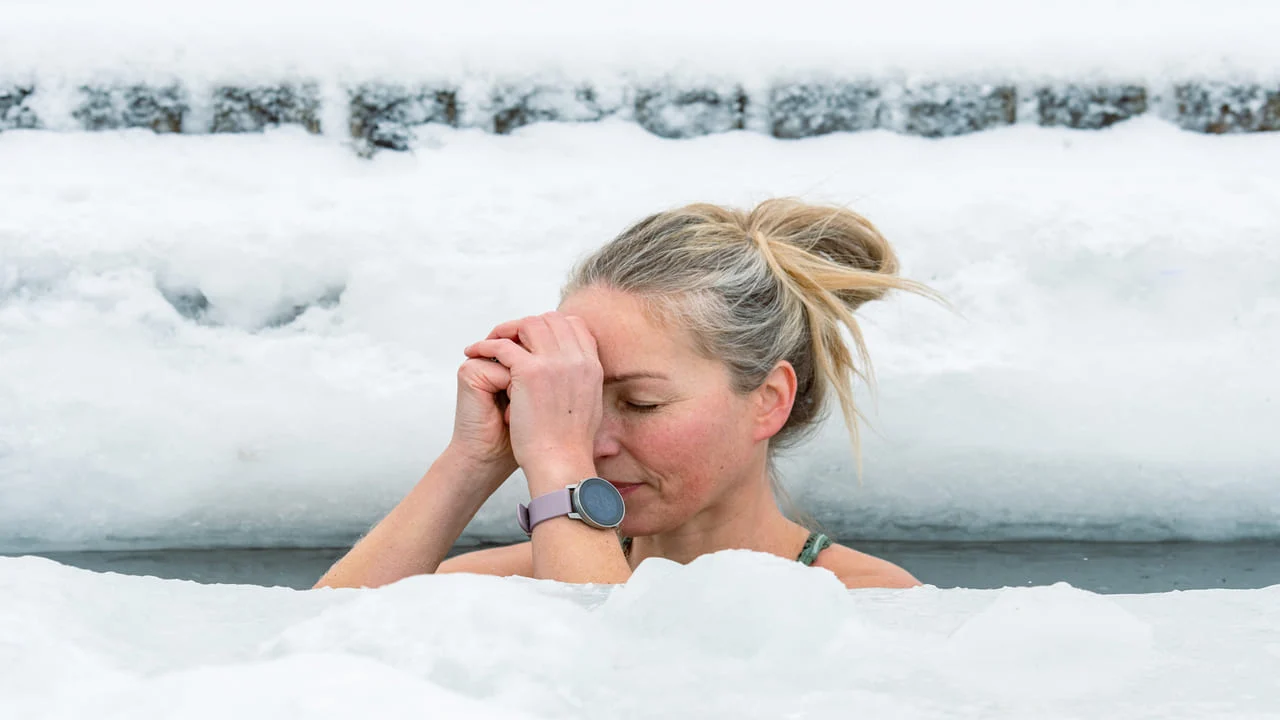
Recent evidence highlights the potential mental health benefits of cold water therapy, including ice-cold showers, baths and swimming in chilly water.
However, anyone interested in cold-water immersion should take precautions.
While claims about the positive effects of cold-water immersion date back centuries, taking the plunge contains health risks.
Cold Water Therapy and Mental Health Benefits
Dr. Mark Harper is an anesthesiologist dedicated to researching the potential rewards and risks of these dunks. Harper became a regular cold-water swimmer after his initial experience.
He asserts that similar to alternative approaches like at-home brain stimulation, immersion may support mental health, including overall wellness and co-occurring conditions like depression.
“I remember getting out of the water the first time and feeling so good,” recalled Harper.
Some scientific evidence backs up Harper’s claims. He cites hormesis, a biological phenomenon, for his experiences. This occurs when the body detects low doses of a stressor like cold water but elicits a positive response.
He also recognizes that these positive effects may arise from other factors associated with cold plunging, such as meeting new people, exercise and completing a difficult challenge.
Whether a direct intervention or partially influenced by placebo effects research suggests cold exposure, like other holistic alternatives, can impact the body.
Harper and other researchers authored a paper examining extreme environments.
They found that “like other environmental constituents such as pressure, heat and oxygen, cold water can be either good or bad, threat or treatment depending on circumstance.”
Risks of Cold Water Immersion Therapy
However, Harper’s team noted that the benefits of immersion aren’t without drawbacks. Indeed, some cold plungers have experienced dangers including death.
Cold shock can cause rapid breathing, loss of control and increased risk of drowning. Using precautions and good judgment can mitigate these risks.
Harper doesn’t discourage cold-water immersion but aims to help people optimize its benefits while minimizing risks. He suggested entering water between 59 and 68 degrees Fahrenheit and not remaining for very long.
He also recommended limiting frigid water exposure, stating, “I wouldn’t go in water much below 54F, and I wouldn’t stay in for much more than two minutes.”
In other words cold water therapy might work best with the buddy system. Or, if in a program that offers cold water immersion, such as a luxury rehab, supervision from clinicians or an experienced instructor/coach is essential to keep you safe.
Getting Started
Cold water immersion may complement recovery from substance misuse when used alongside structured mental health or addiction treatment.
But those looking to get help don’t ever have to take a plunge off the deep end alone.
For more information, search treatmentcentersdirectory.com’s listings to find a local treatment center or call 800-908-4823 (Sponsored) .
Author

Mariah Bourne, M.A.
Read Bio
Mariah Bourne received her Master of Arts in Community Social Psychology from the University of Massachusetts Lowell. She later served as a Research Associate in many studies focused on education, addiction, and treatment, including one examining the efficacy of an LED treatment device in reducing opioid cravings. Currently, she works as a freelance writer and is dedicated to providing helpful information to those seeking recovery from substance abuse.
Editor

Eric Owens
Read Bio
Eric Owens has been a writer and editor for various businesses as well as his own successful websites. He has extensive experience creating content in the health and wellness space and the sustainability space. He holds a bachelor degree in Philosophy which helped him with presenting complex information in a simple way that all audiences can understand.
Articles About Alcohol & Treatment
Extreme Heat Raises Mental Health Risks Doctors Warn
Extreme Heat Raises Mental Health Risks Doctors Warn Published July 7, 2026 As dangerous heat settles over much of the country, mental health treatment providers are warning that soaring temperatures don’t just strain the body. They also affect the mind. Dr. Laurie Ballew, a psychiatrist at Four Rivers Behavioral Health in Paducah in Kentucky, says…
Sleeping Pill Dependence Tied to Athlete Mental Health
Sleeping Pill Dependence Tied to Athlete Mental Health Published July 7, 2026 As players prepare for the 2026 FIFA World Cup, sports medicine specialists are warning that reliance on sleeping pills is a growing risk in professional football. The trend points to deeper mental health needs among athletes. Addressing both the sleep problem and the…
Minority Mental Health Month Spotlights Care Gaps
Minority Mental Health Month Spotlights Care Gaps Published July 6, 2026 July’s National Minority Mental Health Month is turning attention to the gaps in mental health treatment that leave many communities of color waiting longer for care. For families navigating mental health conditions and addictions, the observance reminds us all why comprehensive, culturally responsive treatment…
Browse Treatment Centers by State
Top National Treatment Centers
-
 Michigan
Blue Water Center for Independent Living
392 West Nepessing Street, Suite 5 Lapeer, Michigan 48446
Treatment Programs
- Drug Rehab
- Dual Diagnosis
- +-1
-
 New York
Child and Family Guidance Center
1 Park Street Mastic, New York 06851
Treatment Programs
- Drug Rehab
- +-2
-
 Arizona
FUNE Consulting Services
5125 North 16th Street , Suite B – 223 Phoenix, Arizona 85016
Treatment Programs
- Alcohol Rehab
- Dual Diagnosis
- Opioid Addiction
- +4
-
 Tennessee
Recovery Associates
1627 US-11W Bristol, TN 37620
Treatment Programs
- Alcohol Rehab
- Dual Diagnosis
- Opioid Addiction
- +4