
New York, NY Drug & Alcohol Treatment Centers

14 results nearby

Looking for help with addiction in New York, NY?

NameAddressTreatment ProgramsInsuranceMedia

Realization Center Brooklyn

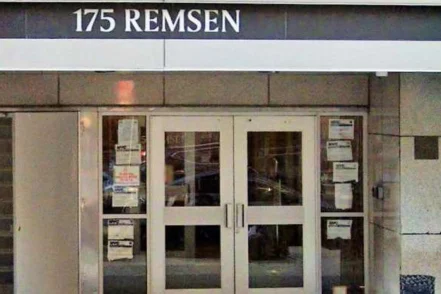
175 Remsen Street
Brooklyn, New York 11201

Treatment Programs

  • Alcohol Rehab
  • Dual Diagnosis
  • +6

Insurance

  • Medicaid
  • Private insurance
  • +2

Bridge Back to Life Center Inc Downtown Brooklyn Center

175 Remsen Street
Brooklyn, New York 11201

Treatment Programs

  • Drug Rehab

Insurance

  • Self-pay options
  • Medicaid
  • +2
Get Help Now
Confidential & Free
646-832-2655
Sponsored
  • Learn about treatment options
  • Find helpful resources
  • Available 24/7

Bridge Back to Life Center Downtown

175 Remsen Street
Brooklyn, New York 11201

Treatment Programs

  • Alcohol Rehab
  • Dual Diagnosis
  • +8

Insurance

  • Medicaid
  • Private insurance
  • +5

CSEDNY Counseling Service Of Eastern District New York Remsen Street

175 Remsen Street, Suite 900
Brooklyn, New York 11201

Treatment Programs

  • Alcohol Rehab
  • Dual Diagnosis
  • +5

Insurance

  • Self-pay options
  • Financial aid
  • +3

CSEDNY Counseling Service Of Eastern District New York Brooklyn

210 Joralemon Street
Brooklyn, New York 11201

Treatment Programs

  • Alcohol Rehab
  • Dual Diagnosis
  • +5

Insurance

  • Medicaid
  • Private insurance
  • +3

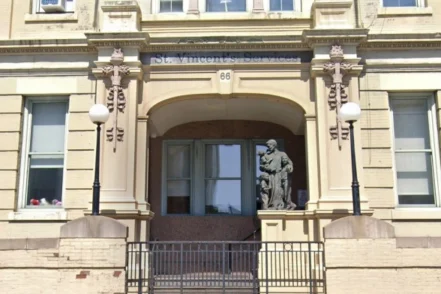
Saint Vincents Mental Health Services

66 Boerum Place
Brooklyn, New York 11201

Treatment Programs

  • Alcohol Rehab
  • Dual Diagnosis
  • +3

Insurance

  • Medicaid
  • Private insurance
  • +2

NYC TASC EAC Network

120 Schermerhorn Street
Brooklyn, New York 11201

Treatment Programs

  • Alcohol Rehab
  • Dual Diagnosis
  • +5

Insurance

  • Self-pay options

VA New Jersey Health Care System Jersey City Community Based OP Clinic

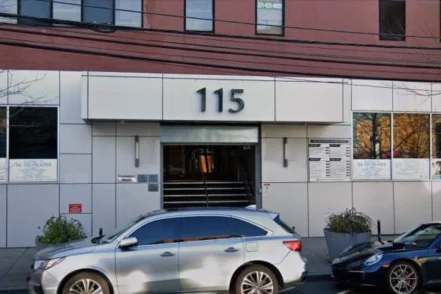
115 Christopher Columbus Drive, Suite 201
Jersey City, New Jersey 07302

Treatment Programs

  • Dual Diagnosis
  • Adult Program
  • +5

Insurance

  • Medicaid
  • Private insurance
  • +4

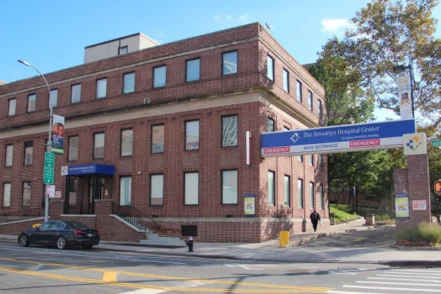
Brooklyn Hospital Center Parkside Dependency Treatment Program

121 Dekalb Avenue
Brooklyn, New York 11201

Treatment Programs

  • Alcohol Rehab
  • Opioid Addiction
  • +4

Insurance

  • Self-pay options
  • Medicaid
  • +1

Brooklyn Community Services Schermerhorn Street

285 Schermerhorn Street
Brooklyn, New York 11217

Treatment Programs

  • Dual Diagnosis
  • Adult Program
  • +1

Insurance

  • Medicaid
  • Self-pay options
  • +1

Northside Center for Child Development Brooklyn

44-60 Rockwell Place
Brooklyn, New York 11201

Treatment Programs

  • Alcohol Rehab
  • Dual Diagnosis
  • +3

Insurance

  • Medicaid
  • Private insurance
  • +1

South Beach Psychiatric Center 25 Flatbush Avenue

25 Flatbush Avenue
Brooklyn, New York 11217

Treatment Programs

  • Alcohol Rehab
  • Dual Diagnosis
  • +5

Insurance

  • Medicaid
  • Private insurance
  • +4

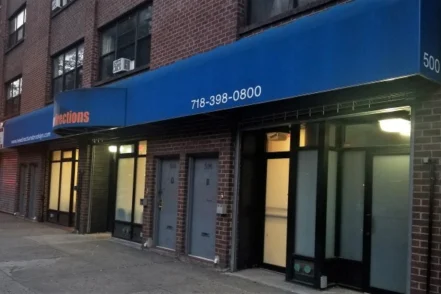
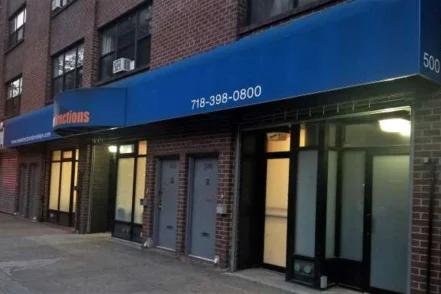
New Directions Alcohol and Substance Abuse Treatment Program

500 Atlantic Avenue
Brooklyn, New York 11217

Treatment Programs

  • Alcohol Rehab
  • Drug Rehab
  • +5

Insurance

  • Medicaid
  • Medicare
  • +3

The Brooklyn Center for Psychotherapy and New Directions

500 Atlantic Avenue
Brooklyn, New York 11217

Treatment Programs

  • Alcohol Rehab
  • Dual Diagnosis
  • +5

Insurance

  • Self-pay options
  • Private insurance

Top Drug Rehab Centers in New York

Getting Treatment in Manhattan: A Local Orientation

Most people picture Manhattan when they think about coming to New York City for addiction treatment, and the numbers back that up. Our directory lists 80 treatment centers on the island, covering detox, residential care, outpatient programs, and sober living across the full range of care. Few places in the country fit this much choice into 23 square miles.

Programs run the length of the island, from Washington Heights and Inwood in the north through the Upper West and Upper East Sides, Midtown, Chelsea, and Greenwich Village, down to the Financial District at the southern tip. The subway reaches nearly every block, so Manhattan does not really split into isolated pockets the way options cluster in most American cities.

What varies is what sits just across the rivers: Brooklyn adds another 70 programs a few subway stops to the east, the Bronx adds 43 more across the Harlem River to the north, and Queens, though its own listing count is small, sits within the same short ride.

That helps explain why a Manhattan search can surface centers listed under Brooklyn or the Bronx. Four boroughs sit within a half-hour subway ride of one another, and treatment here works as one connected market rather than several separate ones.

A program in Mott Haven can be a shorter trip from a Midtown apartment than one in Inwood, so most people comparing options do better looking at the whole map than at a single borough.

Starting Treatment in Manhattan

New York does not require a county or authority sign-off before someone starts treatment; anyone can contact an OASAS-certified provider directly and ask for an assessment. Statewide, the Office of Addiction Services and Supports runs the HOPEline (1-877-8-HOPENY), and the state’s own locator, findaddictiontreatment.ny.gov, lists every certified program by location.

Inside the five boroughs, NYC Well (1-888-NYC-WELL) handles mental health and substance use calls around the clock, with counselors working in more than 200 languages. Recovery housing is in similar territory.

State law does not require a sober living home to carry a license, but two voluntary certifications exist: a longer-running one through the New York State Alliance of Recovery Residences and a newer one OASAS itself launched in 2024. Before moving in, asking a home which, if either, it holds is a reasonable question.

Manhattan’s own 80 listings cover the entire continuum, medical detox through sober living, which is unusual; many nearby cities lean on one or two levels and send people elsewhere for the rest. Because the subway reaches nearly every block and a missed train rarely means a missed session, attending several days a week is realistic almost anywhere on the island.

Getting to Treatment in Manhattan

Three major airports serve the city: LaGuardia and JFK are both in Queens, roughly 8 and 15 miles from Midtown, and Newark Liberty sits across the Hudson in New Jersey. All three connect to Manhattan by taxi, rideshare, or transit, and many residential programs arrange pickup for arriving clients. Ask about this when you call, and confirm the plan before booking a flight.

Manhattan also offers an arrival option most TCD markets do not: Amtrak and regional rail lines end at Penn Station and Grand Central Terminal, both in the middle of the island. Arriving without a car is realistic for anyone traveling from elsewhere in the Northeast.

Within Manhattan, the subway is the default way to reach a program, and here that holds true across the whole island rather than just a downtown core. The 1 through 7 lines and the lettered trains between them put almost any address within a few blocks of a station.

A car is rarely an advantage: parking is scarce and traffic is slow, so attending outpatient treatment several days a week is genuinely workable without one. For anyone who does drive, bridges and tunnels, including the George Washington Bridge and the Lincoln, Holland, and Brooklyn crossings, connect the island to New Jersey and the other boroughs.

The Recovery Environment: Parks Between the Avenues

New York City runs through a full set of seasons, a real adjustment for anyone used to year-round mild weather. Summers are hot and humid, with July highs regularly reaching the 80s and occasional runs into the 90s. Winters are genuinely cold: January lows drop into the 20s, and snow is a normal part of the season.

Spring and fall are the mildest stretches and the easiest for outdoor programming, though packing layers beats relying on a single wardrobe. If a 30 to 90 day stay runs from fall into winter, bring a real coat, not an afterthought windbreaker.

At the center of the island, Central Park’s 843 acres show up constantly in daily program life through walking groups, morning runs, and simple breaks between sessions. The Hudson River Greenway and Riverside Park run the length of Manhattan’s west side with flatter, quieter paths for the same purpose.

For a shorter walk in the middle of the city, the High Line, a converted elevated rail line on the west side, is a good option. None of this requires leaving the island, which matters for programs that build outdoor time into a tight daily schedule.

Sober Life in Manhattan

New York City has one of the largest, longest-established recovery communities in the country, and Manhattan sits at its center. Alcohol free social life has grown here too: a small but growing network of alcohol free bars and mocktail venues, concentrated in neighborhoods like the East Village, along with sober-friendly fitness classes and wellness meetups.

Sober living arrangements are common across the island as a step down from residential care, letting people stay close to the same program and support network that carried them through the earlier stages of treatment.

A Loved One’s Guide to Treatment in Manhattan

Most residential programs limit contact during the first days or weeks, then open scheduled visiting hours or family weekends. Ask admissions for the specific policy and any family program dates before booking travel; these vary from program to program even within the same neighborhood.

Manhattan is easy to visit without a car. Lodging sits near virtually every subway line, so the useful question is which line puts you closest to your loved one’s program, not which neighborhood sounds familiar. Between visits, Central Park, the Hudson River waterfront, and the High Line all make for an easy afternoon.

Family involvement is one of the stronger predictors of how treatment goes, and many Manhattan programs include family therapy sessions or education groups in the plan. If a seat opens in one, take it.

Ready to compare programs? Browse the Manhattan listings above, or explore treatment options across New York state.

Manhattan Treatment FAQs

Common questions about arriving, getting around, and what to expect from treatment in Manhattan. Anything not covered here, a program’s admissions team can answer directly.

How do I get into rehab in Manhattan?

New York has no county approval step. Call an OASAS-certified provider directly and ask for an assessment, or start with the statewide HOPEline (1-877-8-HOPENY) or NYC Well (1-888-NYC-WELL) if you are not sure which program to try first.

Which airport should I fly into for rehab in Manhattan?

LaGuardia and JFK are both in Queens, about 8 and 15 miles from Midtown, and Newark Liberty sits across the Hudson in New Jersey. All three reach Manhattan by taxi, rideshare, or transit. Coming from elsewhere in the Northeast, Amtrak or regional rail into Penn Station or Grand Central is a realistic alternative to flying. Many residential programs arrange pickup; confirm this with admissions before booking.

Do I need a car for outpatient treatment in Manhattan?

No. In most of the city a car is more hassle than help. The subway reaches nearly every neighborhood on the island, making outpatient treatment several evenings a week workable without one. Parking is limited and expensive, and peak-hour street traffic can make driving slower than the train.

What should I pack for treatment in Manhattan?

Layers, plus a real winter coat if your stay runs from fall into winter. Summers are hot and humid, winters are cold with regular snow, and spring and fall can swing between the two within the same week. Comfortable walking shoes matter more here than almost anywhere else, since most days involve real distances on foot or standing on a platform. Your program will send a packing list; follow it, especially for medications, which should arrive in their original containers.

Can my family visit me during treatment in Manhattan?

Most residential programs allow visits after an initial adjustment period, on a schedule the program sets. Ask admissions directly, since policies vary. With subway access and lodging near every line, Manhattan is one of the more manageable cities in the country for a family to visit without a car.

Should I look at programs in Manhattan, or in Brooklyn, Queens, or the Bronx?

The program matters more than the borough. Manhattan holds the largest single concentration of listings and the easiest transit access, but Brooklyn holds a comparable number, and each borough has its own character worth weighing alongside program fit. Reviewing all four tends to produce a better match than settling on one first.

Author

Gayle Morris, BSN, MSN

Gayle Morris, BSN, MSN

Read Bio

Gayle Morris, BSN, MSN, has over two decades of nursing practice. She has published and lectured throughout her career and founded Indiana’s first conference for schoolteachers focused on the needs of children with special needs. As a child, her dream was to become a writer, something she made a reality in 2005 and continues today, writing health and wellness content to help people improve their overall health.

GET HELP NOW CALL NOW 800-897-4135
Sponsored