
About Brooklyn Community Services Schermerhorn Street
Brooklyn Community Services is a community based behavioral health and outpatient substance use resource in Brooklyn, New York.
As part of a longstanding Brooklyn nonprofit, the program blends outpatient therapy, integrated dual disorders treatment and wraparound social services to help vulnerable residents stabilize and recover.
The approach is rooted in community care, harm reduction, and whole person support.
Outpatient Programs and Cooccurring Care
Services at the Schermerhorn Street site are offered on an outpatient basis, typically beginning with an assessment to match clients with the right mix of therapy and support.
Care may include individual psychotherapy, group therapy, integrated treatment for cooccurring disorders.
Clients can expect trauma informed therapy, cognitive and behavioral approaches and peer support.
Brooklyn Community Services also connects participants with harm reduction resources and supported employment
Quick Facts About BCS Schermerhorn Street
- Location: 285 Schermerhorn Street in downtown Brooklyn
- Levels of care: Outpatient behavioral health with integrated mental health and substance use services
- Who they serve: Young adults, adults and seniors, including people with serious mental illness
- Approach: Trauma informed, harm reduction oriented and community based dual diagnosis care
- Payment options: Medicaid, self pay, state funding and a sliding fee scale based on income
- Wraparound support: Housing navigation, benefits linkage, vocational support and street outreach
Addiction Treatment Programs

Dual Diagnosis
People with a dual diagnosis may be using substances to self-medicate. A high-quality rehab in New York can address both issues and help you reach recovery. Along with traditional evidence-based substance use treatment, clients may receive mental health counseling, medication, peer support, and other tools to help them manage their mental health.

Adult Program
Adult programs in New York address a wide range of substance use issues while also helping clients with concerns such as raising children or building a career. Along with traditional evidence-based treatment, clients may receive employment support, parenting classes, and help securing housing.

Senior Rehab
For those who are older, a senior rehab in New York can give you the understanding and safety you need to break free from addiction. Along with traditional evidence-based treatment, clients may receive peer support, pain management education, and referrals to social services that can help with challenging aspects of daily life.

Young Adult Rehab
When people join a young adult rehab in New York, they learn key life skills while receiving treatment. Along with traditional evidence-based treatment, clients may receive educational support, employment training, and help securing housing.
Insurance Coverage

Medicaid
Paying for rehab in New York can be done in multiple ways, including using Medicaid if you qualify. Medicaid covers multiple levels of care, and you may have no out-of-pocket costs. However, you’ll need to choose a treatment center that accepts Medicaid.

Self-pay options
There are many ways to pay for rehab in New York, including self-pay. When you pay yourself, you have maximum flexibility to choose the center you most prefer. You can write a check, get a medical loan from a bank or credit union, or send money electronically. The fee structure may vary depending on the level of care.

Sliding scale payment assistance
Finding a rehab in New York with a sliding scale payment plan can help make treatment more affordable. You qualify for a lower fee for detox, inpatient treatment, or outpatient care based on your income and family size.
Levels of Care
- 1
Outpatient Rehab
If you’ve recently finished a residential treatment program, participating in outpatient treatment in New York can help you reinforce and practice your new habits. Outpatient treatment includes multiple approaches, including cognitive behavioral therapy (CBT), motivational interviewing (MI), and holistic therapy options.
Therapies

Cognitive Behavior Therapy
Cognitive behavioral therapy in New York involves being aware of how your thoughts are connected to your feelings and behavior. CBT is a common part of evidence-based treatment programs and may be a part of inpatient treatment, outpatient care, or both. CBT can be empowering as you learn to manage your thoughts and emotions rather than being overwhelmed by them.

Experiential Therapy
When you’re struggling with addiction in New York, nontraditional approaches can help you heal. Experiential therapy, which uses hands-on activities to work through emotions, is one example. Experiential therapy is commonly part of inpatient or intensive outpatient treatment and may be used to help with skill-building, addressing trauma, and managing substance use triggers.

Group Therapy
It’s easy to feel isolated when you battle addiction, but group therapy in New York can show you you’re not alone. Group therapy is a normal part of evidence-based treatment programs, and may be a part of inpatient treatment, outpatient care, or both. Topics include addiction education, sharing of experiences, and learning new skills.

Individual Therapy
Individual therapy in New York can provide professional support and accountability as you work through substance use treatment. Individual therapy is a common part of both inpatient and outpatient substance use treatment and may be used to help with skill-building, overcoming trauma, and creating a substance-free lifestyle.

Trauma Therapy
Trauma is an emotional response to a terrible event, and some people use substances to numb those emotions. Trauma-informed therapy in New York can help you address what happened and consciously create a healthier response. Trauma-informed therapy sessions generally last 60 to 90 minutes and may include discussing a specific event, talking about emotional triggers, and learning emotional regulation and cognitive restructuring skills.
Location
Contact Brooklyn Community Services Schermerhorn Street

 Sponsored
Treatmentcentersdirectory.com regularly reviews this listing for accuracy but changes may occur between updates. For the most up-to-date information, please contact Brooklyn Community Services Schermerhorn Street.
Top Drug Rehab Centers in New York
-
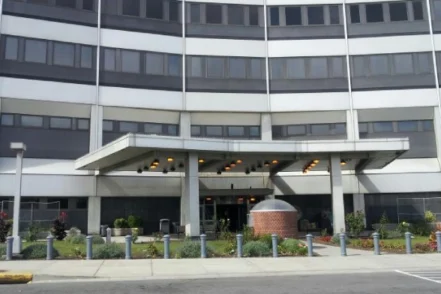 New York
Bronx VA James J Peters Medical Center
130 West Kingsbridge Road Bronx, New York 10468
-
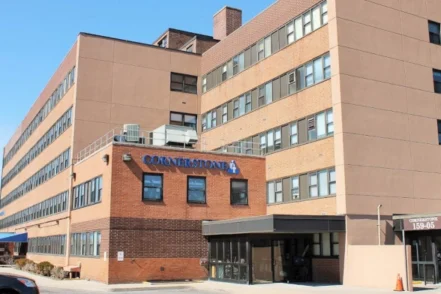 New York
Cornerstone
159-05 Union Turnpike Fresh Meadows, New York 11366
-
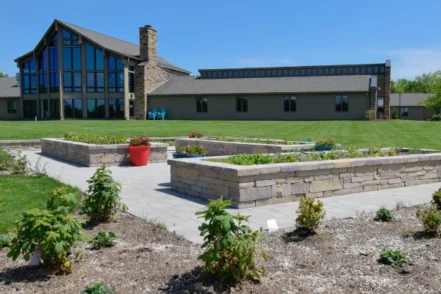 New York
Tully Hill Treatment and Recovery
5821 Route 80 Tully, New York 13159
-
 New York
New York Center for Living
226 East 52nd Street, New York, NY 10022
-
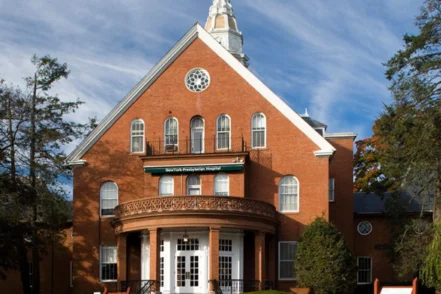 New York
NewYork Presbyterian Westchester Division
21 Bloomingdale Road, White Plains, NY 10605
-
 New York
LaFayette Medical Approach Outpatient
233 Lafayette Street New York, New York 10012
-
 New York
Credo Community Center Mens Aftercare Community Residence
138 Winthrop Street Watertown, New York 13601
-
 New York
Elmhurst Hospital Center Elmhurst
7901 Broadway Street Elmhurst, New York 11373
-
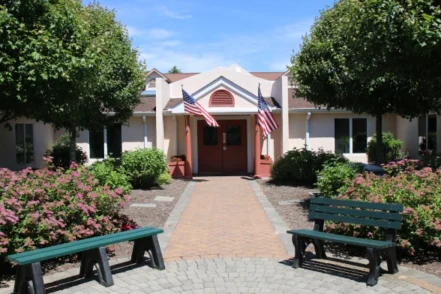 New York
Long Island Center For Recovery
320 West Montauk Highway, Hampton Bays, NY 11946
- New York
Saint Josephs ATRC Saranac Lake Outpatient Clinic
12983 Saranac Lake, New York 12983
-
 New York
Bronx Addiction Treatment Center
1500 Waters Place, Building 13 Bronx, New York 10461
-
 New York
Realization Center Brooklyn
175 Remsen Street Brooklyn, New York 11201
-
 New York
Parallax Center Inc.
145 East 32nd Street, 6th floor, New York, NY 10016
- New York
Seafield Mineola
110 Main Street, Mineola, NY 11501
Other Popular New York Cities
Browse by New York cities
- Wainscott
- Walden
- Walton
- Wantagh
- Wappingers Falls
- Warsaw
- Waterloo
- Watertown
- Watkins Glen
- Waverly
- Webster
- Wellsville
- West Babylon
- West Haven
- West Haverstraw
- West Hempstead
- West Seneca
- Westbury
- Westhampton Beach
- Westons Mills
- White Plains
- Willard
- Williston Park
- Wingdale
- Woodmere
- Woodside
- Woodstock
- Wyandanch