Queens, NY Drug & Alcohol Treatment Centers
Looking for help with addiction in Queens, NY?
Insurance
Treatment Programs
Looking for help with addiction in Queens, NY?
Search for treatment in Queens and the map fills with options, but the borough’s own listing count looks strangely small next to that: just 1 center with a Queens address, against well over 260 nearby. The gap has a specific cause. Queens was a patchwork of independent towns and villages before New York City consolidated in 1898 and never fully gave that up: mail here still uses neighborhood names like Astoria, Flushing, and Jamaica as the city, not “Queens.” Programs physically located in Queens are almost always listed under one of those neighborhood names instead, which is why the count looks thin against a population of roughly 2.4 million, larger than fourteen U.S. states. Queens also holds the Guinness World Record for the most ethnically diverse urban area on the planet, an asset for anyone hoping to find a program suited to a specific community or language.
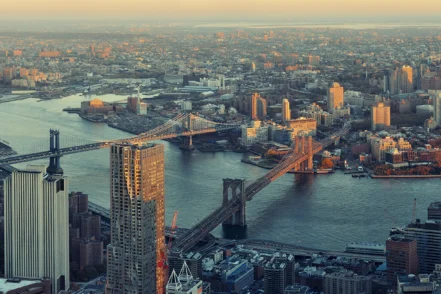
A Queens search points mainly to Manhattan (80 centers, a short ride west), the Bronx (43, north), and Brooklyn (70, across the shared border the Brooklyn Queens Expressway now runs along). None of that is a coverage gap, just an address quirk, and a search based in Queens is genuinely well served once you know what to look for.
Nothing about living in Queens changes the first step: New York has no county sign-off to clear, so contacting an OASAS-certified provider directly, including ones just over the border in Manhattan or the Bronx, gets an assessment scheduled. NYC Well (1-888-NYC-WELL) and the statewide HOPEline (1-877-8-HOPENY) both take calls around the clock. Better still for this borough’s address quirk, findaddictiontreatment.ny.gov searches by location rather than city name, so a Queens address surfaces correctly instead of hiding under a neighboring borough. Sober living homes carry no state license requirement, though a residence can seek certification through the longer-running New York State Alliance of Recovery Residences or the newer OASAS program that began in 2024.
Queens holds a distinction no other borough shares: both of the city’s airports, LaGuardia and JFK, sit inside it, simplifying arrival logistics for anyone flying in near home. The Grand Central Parkway and Long Island Expressway carry most driving traffic, and the E, F, and 7 subway lines, plus the LIRR’s Jamaica hub, reach into Manhattan in well under an hour. Outpatient treatment several days a week while keeping a job is realistic from most of the borough, though the commute is worth checking against a program’s address first.
Ready to compare programs? Browse the Queens listings above, or explore treatment options across New York state.
Common questions about arriving, getting around, and what to expect from treatment near Queens. If a question is not covered here, a program’s admissions team can answer it directly.
New York’s locator at findaddictiontreatment.ny.gov lists every OASAS-certified program by location, including the ones just over the Queens border.
Mainly in Manhattan and the Bronx, a short subway ride away, along with Brooklyn to the south. Queens’ own low count reflects how addresses here are recorded, not a lack of nearby options.
Often, since most of the closest listed centers carry a Manhattan or Bronx address, but the actual commute from most of Queens is short, often 20 to 30 minutes by subway or rail. Few people here are far from a workable option.
For most of the borough, yes. The subway and LIRR run often enough to build a schedule around, and Queens’ central position keeps the ride into Manhattan or the Bronx short. Check the specific line against a program’s address before committing.