
State Budget Cuts Threaten Mental Health, Addiction Care in Maryland
Published July 16, 2026
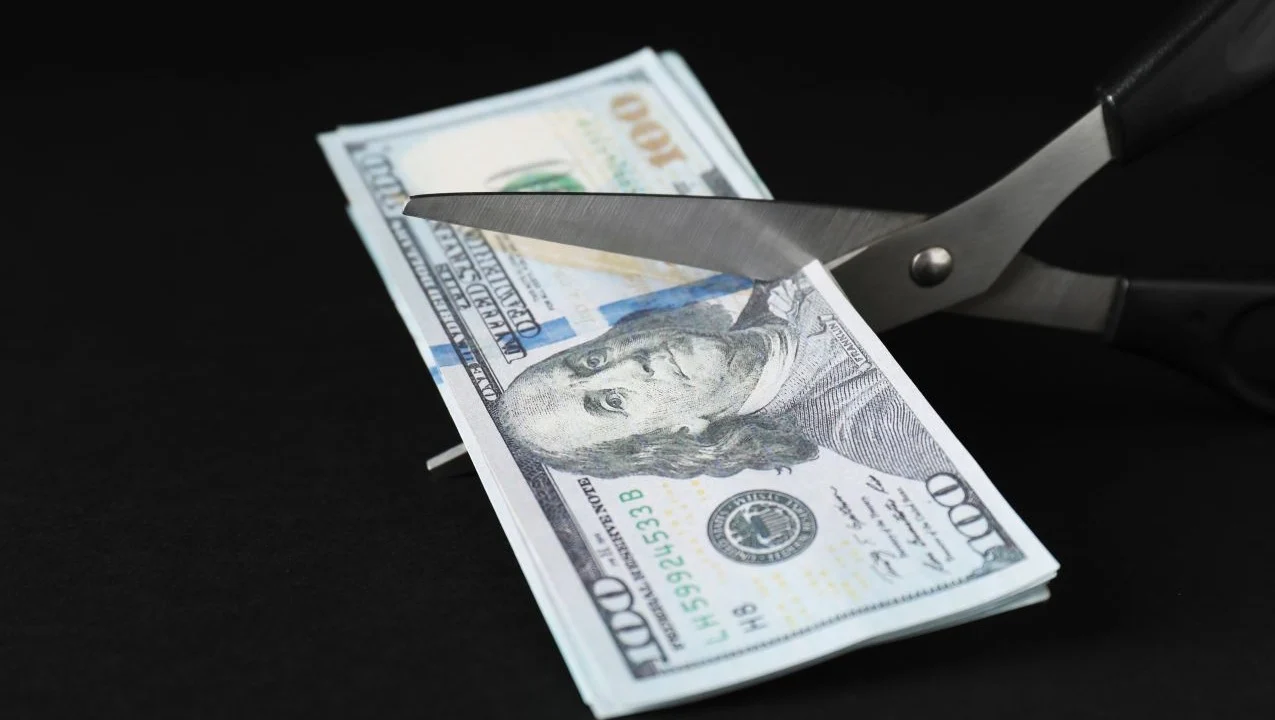
Maryland officials plan to reduce funding for a range of state-supported behavioral and mental health programs as the state works through a budget shortfall. While The Old Line State features an impressive range of inpatient and outpatient options, the cuts will certainly impact services for vulnerable residents. Starting July 1, reduced budgets can touch services including the 988 suicide and crisis hotline, peer recovery support, and case management that connects people to mental health and addiction treatment.
For people managing co-occurring mental health and substance use conditions, often called dual diagnosis, these community services frequently serve as the link between crisis response and ongoing treatment. Losing capacity in one area makes it harder to reach folks before a mental health or addiction crisis escalates into an emergency room visit or hospitalization.
Two Accounts of the Same Budget Decision
State officials describe the cuts differently than the advocates who run the affected programs. The Maryland Department of Health characterized the funding changes as “right-sized to reflect actual spending in previous years.” Department spokesperson Amanda Hils added the state plans to work “collaboratively and transparently” with local health authorities. Hils noted the department recognizes the value of the programs but described a need to balance fiscal pressures affecting the state.
Adrienne Breidenstine, vice president of policy and communications for Behavioral Health System Baltimore, which operates the city’s 988 crisis line, offered a different read on the stakes. “These community-based services help to keep people in need of behavioral health care out of jails and emergency departments by connecting them to a range of treatment and recovery supports in the community,” she argued.
Both descriptions can be true at once. A state government must manage a real budget shortfall, even if that hurts programs that advocates say function as an early intervention layer for people who might otherwise end up in emergency departments or the justice system.
Dual Diagnosis Care Depends on Community Programs
Co-occurring disorders are common enough that most addiction treatment programs now screen for both rather than treating substance use in isolation. Integrated treatment, addressing the mental health conditions like depression and accompanying substance use disorders together rather than sequentially, is widely considered the more effective approach because untreated anxiety or trauma can drive relapse just as easily as untreated drug misuse can worsen mental health symptoms.
The state-funded programs facing cuts often make up the services that keep someone connected to care between more intensive treatment episodes. When that connective layer weakens, people with dual diagnosis conditions try to self-medicate, but that rarely works. They end up falling through the resulting gaps since their care already depends on coordination across more than one system.
The Numbers in Maryland
Maryland recorded a 25% decrease in fatal drug overdoses in 2025, when more than 1,300 people died from an overdose statewide, according to state data. Baltimore, which has had one of the worst overdose crises of any major American city, saw a similar decline.
Advocates argue that the community-based programs facing cuts were part of what drove that progress, and reducing their funding now risks reversing gains. They point to an ongoing shortage in mental health providers, which makes recovery more tenuous.
Maryland’s legislature passed a $71 billion fiscal 2027 budget this year that closed shortfalls across state government, including education and staffing shortages. Lawmakers focussed largely on spending cuts rather than new taxes. The behavioral health reductions are one piece of that broader budget picture rather than a standalone decision targeting addiction or mental health programs specifically.
Comprehensive Treatment Options Remain
People currently in treatment for mental or behavioral health conditions shouldn’t assume funding changes affect their specific provider without confirming directly. Dual diagnosis treatment centers and community mental health providers can clarify what services remain available locally.
Whether you’re in Maryland or elsewhere in the country, options exist. A good way to start is to dial 800-908-4823 (Sponsored) for comprehensive mental health and addiction treatment options. Or, simply browse our directory for treatment centers organized by location.
Author

Eric Owens
Read Bio
Eric Owens has been a writer and editor for various businesses as well as his own successful websites. He has extensive experience creating content in the health and wellness space and the sustainability space. He holds a bachelor degree in Philosophy which helped him with presenting complex information in a simple way that all audiences can understand.
Editor

Peter Lee, PhD
Read Bio
Peter W.Y. Lee is a writer and historian of American history during the Cold War. His primary focus is the relationship between youth and popular culture and its impact on U.S. society during the twentieth century. He has published widely on how the public has used popular culture as a mechanism to address political and social shifts throughout time
Articles About Alcohol & Treatment

Maryland Launches Court-Ordered Mental Health Treatment Program
Maryland Launches Court-Ordered Mental Health Treatment Program Published October 6, 2026 Maryland residents with severe mental illness might get relief soon via facilities mandated by court order. Enter the Assisted Outpatient Treatment program. The Maryland Department of Health announced the rollout for people whose conditions interfere with their ability to seek help on their own.…
Kentucky Overdose Deaths Fall 22.9% as Mental Health Access Grows
Kentucky Overdose Deaths Fall 22.9% as Mental Health Access Grows Published October 5, 2026 Kentucky hit its lowest number of overdose deaths since 2014 with a 22.9% drop from 2024. State officials point to a network of expanded mental health treatment facilities even for those under court orders, recovery housing and crisis services. Gov. Andy…

TikTok to Pay Alabama $100M in Teen Mental Health Settlement
TikTok to Pay Alabama $100M in Teen Mental Health Settlement Published October 5, 2026 TikTok officials agreed to pay $100 million to Alabama and add several safety features to its app for teens. The settlement avoids going to a court to hear claims that the platform harms young people’s mental health. The payout requires changes…
Browse Treatment Centers by State
-
 Illinois
AMITA Health Saints Mary and Elizabeth Medical Center Chicago Saint Mary Campus
2233 West Division Street Chicago, Illinois 60622
Treatment Programs
- Alcohol Rehab
- Dual Diagnosis
- Opioid Addiction
- +5
-
 Alabama
Franklin Primary Health Center
510 South Wilson Avenue Mobile, Alabama 36610
Treatment Programs
- Alcohol Rehab
- Dual Diagnosis
- Opioid Addiction
- +7
-
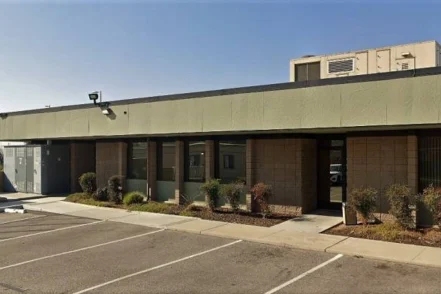 California
Mary K Shell Mental Health Center
2151 College Avenue, Bakersfield, CA 93305
Treatment Programs
- Alcohol Rehab
- Dual Diagnosis
- Opioid Addiction
- +5
-
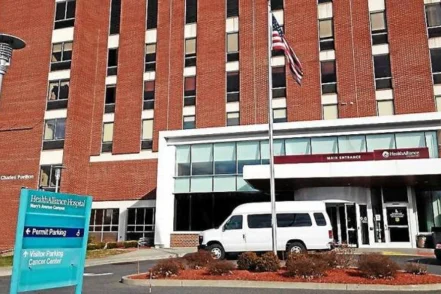 New York
HealthAlliance Hospital Mary’s Avenue
105 Marys Avenue, Kingston, NY 12401
Treatment Programs
- Alcohol Rehab
- Dual Diagnosis
- Opioid Addiction
- +5