
California Conference Addresses Buprenorphine and Chronic Pain
Published October 27, 2026

Clinical training at the 2026 California Society of Addiction Medicine Annual Conference addressed several challenges that behavioral health teams encounter in dual diagnosis treatment. Sessions held in Garden Grove covered buprenorphine initiation, precipitated withdrawal, chronic pain and the distinction between opioid dependence and opioid use disorders.
The meeting brought together addiction medicine, mental health and primary care professionals in California and throughout the country. Its program spans clinical practice, prevention, harm reduction and policy with sessions designed for physicians, physician assistants, pharmacists and counselors.
Buprenorphine Training Across Care Settings
A workshop titled “Direct-to-Inject Long-Acting Injectable Buprenorphine” combines an evidence review with small-group work on medication assisted treatment. Contributors include Dr. Hannah Snyder of UC San Francisco; David Dadiomov of the University of Southern California and Kari Herbert of Marshall Medical.
Planned instruction covers first-dosing, management during the first 72 hours and follow-up in emergency departments, outpatient and inpatient care and street medicine. Other stations address counseling, pharmacy access, medication storage, billing and peer support. Participants developed an implementation action plan for their own settings.
The workshop also includes emerging considerations for adolescents, pregnant patients and folks with kratom dependence. These topics reflect the different clinical and social needs that can accompany opioid use.
Pain & Opioid Dependence in Behavioral Health
Dr. Gregory Rudolf of Swedish Pain Services in Seattle led “Practical Updates in Pain Management and OUD.” The session examines long-term opioid therapy, tapering and assessment of problematic use through a clinical case involving buprenorphine transitions, pain management, and perioperative care.
Dr. Andrew Herring of Alameda Health System-Highland Hospital and Arianna Campbell of The Bridge Center at PHI and VA NCHCS led another session on low-barrier buprenorphine initiation. Topics include an opioid-receptor recovery model, retention strategies and responses to precipitated withdrawal.
Dual Diagnosis Treatment
Dual diagnosis treatment refers to care for a substance use disorder and a mental health condition occurring together. Chronic pain can add another clinical consideration and treatment decisions may involve primary care clinicians, addiction specialists and counselors.
The CSAM program places peer support and reimbursement beside prescribing decisions. It recognizes that access depends on more than clinical knowledge. CSAM’s policy priorities include expanding care in rural communities and reducing insurance and system-level barriers.
Care Available Now
People seeking help for opioid use alongside depression, anxiety, trauma or another mental health condition can ask whether a program provides integrated assessment and coordinated medication care.
Our searchable directory lists dual diagnosis treatment programs and mental health treatment facilities, including behavioral treatment centers that provide addiction and mental health services.
You can also call 800-908-4823 (Sponsored) to explore treatment options alongside an expert.
Author
Eric Owens
Read Bio
Eric Owens has been a writer and editor for various businesses as well as his own successful websites. He has extensive experience creating content in the health and wellness space and the sustainability space. He holds a bachelor degree in Philosophy which helped him with presenting complex information in a simple way that all audiences can understand.
Editor
Peter Lee, PhD
Read Bio
Peter W.Y. Lee is a writer and historian of American history during the Cold War. His primary focus is the relationship between youth and popular culture and its impact on U.S. society during the twentieth century. He has published widely on how the public has used popular culture as a mechanism to address political and social shifts throughout time
Articles About Alcohol & Treatment

Sacramento Job Program Pays People in Recovery $18 an Hour
Sacramento Job Program Pays People in Recovery $18 an Hour Published October 28, 2026 A California work program tackles barriers that complicate behavioral health treatment and recovery. Sacramento Navigators’ Clean Team pays folks experiencing homelessness or recovering from addiction to perform maintenance work while they pursue stable housing and full-time jobs. The Clean Team The…
California Conference Addresses Buprenorphine and Chronic Pain
California Conference Addresses Buprenorphine and Chronic Pain Published October 27, 2026 Clinical training at the 2026 California Society of Addiction Medicine Annual Conference addressed several challenges that behavioral health teams encounter in dual diagnosis treatment. Sessions held in Garden Grove covered buprenorphine initiation, precipitated withdrawal, chronic pain and the distinction between opioid dependence and opioid…

Idaho Lawmakers Consider $3 Million for Prevention and Treatment
Idaho Lawmakers Consider $3 Million for Prevention and Treatment Published October 26, 2026 Ten Idaho centers have requested a total of $3 million for youth prevention, family treatment and behavioral care. Lawmakers in the Joint Millennium Fund Committee heard the proposals but haven’t yet decided which ones to choose. The money would come from Idaho’s…
Browse Treatment Centers by State
-
 North Carolina
Buprenorphine Doctors
2222 Sedwick Road, Durham, NC 27713
Treatment Programs
- Dual Diagnosis
- Opioid Addiction
- Drug Rehab
- +0
-
 Maine
205 Ocean Avenue Psychological and Educational Services
205 Ocean Avenue Portland, Maine 04103
Treatment Programs
- Drug Rehab
- Dual Diagnosis
- LGBTQ Friendly Rehab
- +0
-
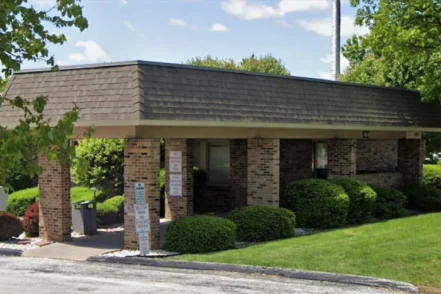 Missouri
BHG Springfield Treatment Center
404 East Battlefield Street Springfield, Missouri 65807
Treatment Programs
- Alcohol Rehab
- Opioid Addiction
- Drug Rehab
- +4
-
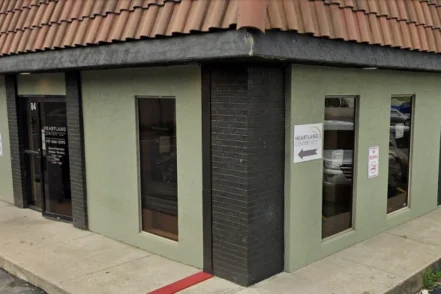 Missouri
Heartland Center for Behavioral Change Springfield
840 S. Glenstone Springfield, Missouri 65802
Treatment Programs
- Alcohol Rehab
- Opioid Addiction
- Drug Rehab
- +4