
Creatine Shows Mixed Results as Depression Treatment
Published July 8, 2026
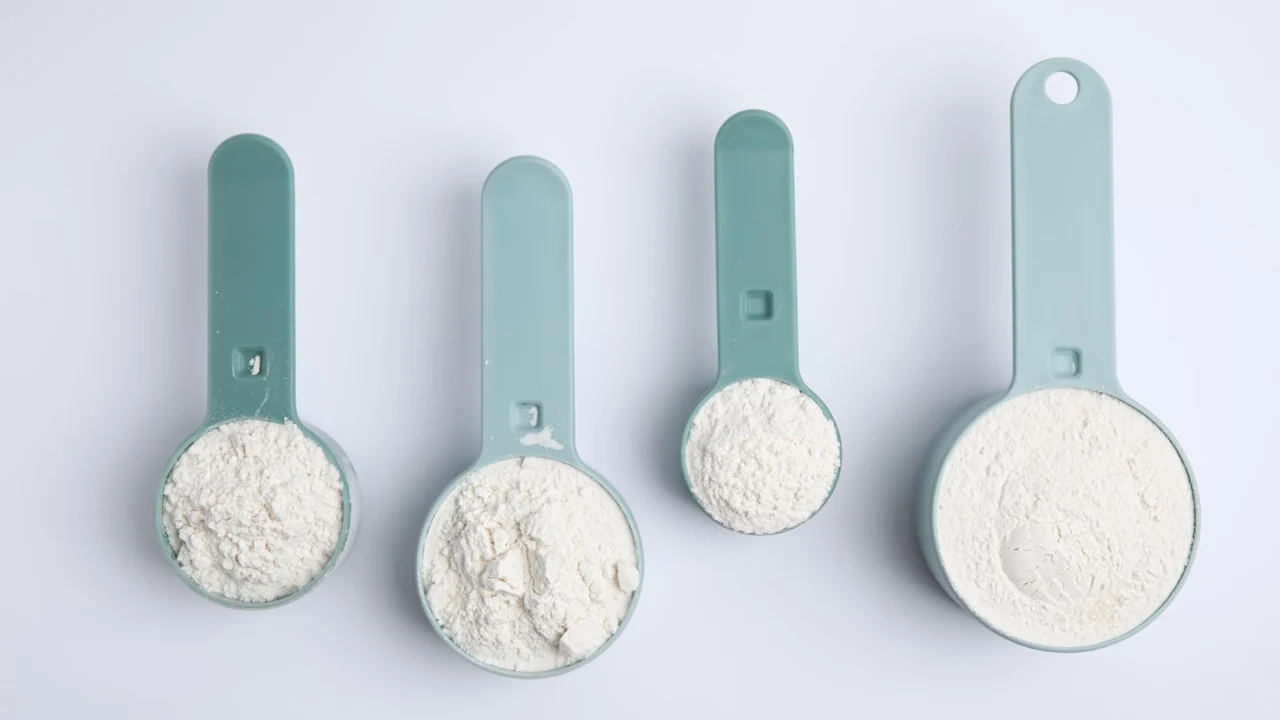
A supplement best known for building muscle is drawing new interest as a possible aid in depression treatment. However, the latest research suggests the science is far from settled. A review examined whether creatine might ease depression by supporting the brain’s energy supply and found a genuinely mixed picture.
For anyone weighing mental health treatment options, the findings are a reminder that promising early research is not the same as proven therapy.
The Review’s Findings
Researchers led by a team at the University of Ottawa analyzed five randomized controlled trials involving 238 participants, most of them women. Rather than pooling the data, they evaluated each study on its own.
Two of the trials, both in women with major depressive disorder, found that adding creatine to standard care helped. In one, participants who took creatine alongside an antidepressant saw a larger drop in symptoms over eight weeks than those who took the antidepressant with a placebo. Another paired creatine with different modules of cognitive behavioral therapy and also found added benefit.
The other three trials found no meaningful advantage over placebo, including one in people whose depression hadn’t responded to medication and one in adolescent girls, which may influence the development of teen rehab services.
Researchers Urge Caution
The review team directly noted the limits of what they found. As the first author described it, the signal had an interesting but not a direct causal relationship, since two trials pointed one way and three pointed the other. The trials were small, varied in quality, and enrolled far more women than men, which may have some potential for women-only rehab programs.
The proposed biology is still theoretical. Creatine helps cells produce energy, and the brain is a heavy energy user, so researchers have wondered whether disruptions in that system may contribute to mood disorders. Studies so far show associations rather than proof that altered creatine metabolism causes depression, and depression involves many biological pathways at once and can involve substances like opioids.
Researchers also flagged a safety signal. Two participants with bipolar disorder who took creatine developed hypomania or mania. The results suggested the supplement may affect people differently depending on their diagnosis.
Co-occurring Disorders & Treating Them
Depression rarely travels alone. It frequently overlaps with conditions like anxiety, trauma, and substance use. Clinicians refer to these co-occurring disorders as a dual diagnosis.
When a mental health condition like bipolar disorder and substance misuse occur together, integrated treatment that addresses both at the same time works better than treating either in isolation. Emerging research on depression treatment matters to this population because more effective and better-tolerated options could improve care for folks managing multiple conditions.
Established, evidence-based care for depression already exists and doesn’t hinge on supplements or probiotics. Depending on the person, treatment may combine talk therapy such as behavioral counseling, medication management and support for any co-occurring substance use. Care can be delivered in residential settings or through outpatient programs, depending on severity and need.
Anyone considering creatine or another supplement for mood symptoms should talk with a clinician first, especially people with bipolar disorder or those taking other medications.
Comprehensive Treatment Readily Available
If you’re looking for support for depression and/or a co-occurring condition, comprehensive care is the goal.
Getting started is easy. Simply dial 800-908-4823 (Sponsored) for comprehensive mental health and addiction treatment options. You can also look through our searchable directory for treatment centers located anywhere in the U.S.
Author

Nikki Wisher, BA
Read Bio
Nikki Wisher is an Atlanta-based content writer who specializes in health and wellness. After earning her BA in English, she has been writing in the health and wellness space for over a decade, with credits ranging from addiction recovery to fitness to aesthetics and skin care. This includes her inclusive running blog forallrunners.com.
Editor

Peter Lee, PhD
Read Bio
Peter W.Y. Lee is a writer and historian of American history during the Cold War. His primary focus is the relationship between youth and popular culture and its impact on U.S. society during the twentieth century. He has published widely on how the public has used popular culture as a mechanism to address political and social shifts throughout time
Articles About Alcohol & Treatment
Disaster Resource Loss Linked to Poor Child Mental Health
Disaster Resource Loss Linked to Poor Child Mental Health Published July 8, 2026 A new study offers a reminder that mental health rarely exists in isolation, a principle at the heart of dual diagnosis treatment. A team at the University of Nebraska Medical Center found that children’s mental health may be indirectly harmed by what…
Creatine Shows Mixed Results as Depression Treatment
Creatine Shows Mixed Results as Depression Treatment Published July 8, 2026 A supplement best known for building muscle is drawing new interest as a possible aid in depression treatment. However, the latest research suggests the science is far from settled. A review examined whether creatine might ease depression by supporting the brain’s energy supply and…

Extreme Heat Raises Mental Health Risks Doctors Warn
Extreme Heat Raises Mental Health Risks Doctors Warn Published July 7, 2026 As dangerous heat settles over much of the country, mental health treatment providers are warning that soaring temperatures don’t just strain the body. They also affect the mind. Dr. Laurie Ballew, a psychiatrist at Four Rivers Behavioral Health in Paducah in Kentucky, says…
Browse Treatment Centers by State
-
 California
Creative Care Gonzales Drive
23140 Gonzales Drive Woodland Hills, California 91367
Treatment Programs
- Alcohol Rehab
- Opioid Addiction
- Drug Rehab
- +5
-
 California
New Creation Addiction Treatment Center Her House
9491 Pittsburgh Avenue Rancho Cucamonga, California 91730
Treatment Programs
- Alcohol Rehab
- Dual Diagnosis
- Opioid Addiction
- +4
-
 Maryland
Johns Hopkins Bayview Medical Center Creative Alternatives
1821 Portal Street Baltimore, Maryland 21224
Treatment Programs
- Dual Diagnosis
- Adult Program
- Senior Rehab
- +3
-
 Florida
Recreate Life Counseling
7570 South Federal Highway, Suite 7 and 8 Lake Worth, Florida 33462
Treatment Programs
- Alcohol Rehab
- Dual Diagnosis
- Opioid Addiction
- +5