
About Bridge Back to Life Center
Bridge Back to Life Center – Staten Island Center is an outpatient addiction treatment program in New York. The clinic offers intensive outpatient and standard outpatient services with medication assisted treatment and outpatient detoxification for adults seeking recovery from substance use disorders.
With specialized tracks for veterans, justice involved clients, and working professionals Bridge Back to Life takes a structured person centered approach grounded in diagnostic evaluation and trauma informed care.
Outpatient Addiction Treatment Programs at Bridge Back to Life Center
The clinic provides intensive outpatient programs and traditional outpatient counseling alongside MAT services that may include methadone, buprenorphine, or naltrexone for opioid use disorder.
Clients participate in group and client counseling that incorporates trauma related counseling, relapse prevention strategies, and telehealth therapy options for added flexibility. Bridge Back to Life also offers education and support services for families and significant others helping loved ones understand addiction and navigate the recovery journey together.
Quick Facts About Bridge Back to Life Center – Staten Island
- Programs offered: Intensive outpatient, outpatient counseling, medication assisted treatment, and outpatient detox
- Who they treat: Adults including veterans, justice involved or returning community members, and working professionals through an employee assistance program
- Approach: Trauma informed care with diagnostic evaluation, relapse prevention, and telehealth therapy options
- Payment options: Accepts Medicaid, Medicare, private insurance, TRICARE, and offers sliding scale financial assistance for those in need
Addiction Treatment Programs

Alcohol Rehab
Alcohol rehab in New York helps clients find the motivation to make a change and gives them the tools to achieve long-term sobriety. Alcohol programs address the mental, emotional, and relational issues that may contribute to addiction. You’ll learn to build a new support network that supports your long-term sobriety.

Dual Diagnosis
People with a dual diagnosis may be using substances to self-medicate. A high-quality rehab in New York can address both issues and help you reach recovery. Along with traditional evidence-based substance use treatment, clients may receive mental health counseling, medication, peer support, and other tools to help them manage their mental health.

Opioid Addiction
A treatment program in New York can give you the tools and skills you need to overcome opioid addiction and reclaim your life. These treatment programs offer detox, inpatient treatment, and outpatient care. You may receive individual, group, and family counseling, peer support, and classes in essential life skills.

Drug Rehab
Drug rehab in New York provides professional treatment to help clients overcome substance misuse and build a drug-free life. High-quality treatment lays a foundation for sobriety and helps prevent relapses by giving you new ways of thinking, better coping skills, and a better understanding of key life skills such as emotional regulation and communication.

Young Adult Rehab
When people join a young adult rehab in New York, they learn key life skills while receiving treatment. Along with traditional evidence-based treatment, clients may receive educational support, employment training, and help securing housing.

Adult Program
Adult programs in New York address a wide range of substance use issues while also helping clients with concerns such as raising children or building a career. Along with traditional evidence-based treatment, clients may receive employment support, parenting classes, and help securing housing.

Senior Rehab
For those who are older, a senior rehab in New York can give you the understanding and safety you need to break free from addiction. Along with traditional evidence-based treatment, clients may receive peer support, pain management education, and referrals to social services that can help with challenging aspects of daily life.

LGBTQ Friendly Rehab
For those who identify as LGBTQ+, an LGBTQ+ friendly rehab in New York can give you the understanding and safety you need to break free from addiction. LGBTQ+ friendly programs may include detox, inpatient treatment, outpatient care, aftercare services, and more. They will be tailored to take into account your unique individual needs.

Military Rehab
Finding a military rehab in New York can make all the difference in helping you overcome substance use if you’re a veteran or service member. Along with traditional evidence-based treatment, clients may receive trauma-focused care, peer support, help with PTSD, and classes in overcoming other specific challenges.

Men's Rehab
A men’s rehab in New York addresses the unique needs men have and allows them to build relationships in a gender-specific environment. Along with traditional evidence-based treatment, clients may receive education on topics relevant to men, such as fatherhood, healthy relationships, emotional vulnerability, and more.

Women's Rehab
Those who join a women’s rehab program in New York are given training in key life skills to help them address their unique challenges. Along with traditional evidence-based treatment, clients may receive help with childcare, classes in parenting, and advice about being a working mother and building healthy relationships.
Opioid Treatment Program
The Staten Island Center offers an Opioid Treatment Program combining methadone maintenance and buprenorphine (Suboxone) with counseling to support individuals managing opioid use disorder.
Medication-Assisted Treatment (MAT)
Bridge Back to Life Center provides medication-assisted treatment using methadone and buprenorphine alongside counseling services to help Staten Island clients manage withdrawal and sustain recovery.
Intensive Outpatient Program
The Intensive Outpatient Program at Bridge Back to Life Center offers a structured level of outpatient care for individuals needing more support than standard outpatient counseling while remaining at home.
Aftercare & Continuing Support
Bridge Back to Life Center emphasizes ongoing support and aftercare-oriented services at its Staten Island location, helping clients maintain progress after completing initial outpatient treatment phases.
Insurance Coverage

Medicaid
Paying for rehab in New York can be done in multiple ways, including using Medicaid if you qualify. Medicaid covers multiple levels of care, and you may have no out-of-pocket costs. However, you’ll need to choose a treatment center that accepts Medicaid.

Private insurance
There are many ways to pay for rehab in New York. One option is private insurance. Your insurance plan can pay for some or all of the costs of rehab, especially if you choose a center that’s in the plan’s network. Be sure to check with the insurer to get full details.

Self-pay options
There are many ways to pay for rehab in New York, including self-pay. When you pay yourself, you have maximum flexibility to choose the center you most prefer. You can write a check, get a medical loan from a bank or credit union, or send money electronically. The fee structure may vary depending on the level of care.

Financial aid
Those wondering how to pay for rehab in New York may benefit from looking for financial aid programs. You may be able to find aid through community groups in your area, and individual treatment centers may offer grants and scholarships as well.

Military insurance
If you have military insurance in New York, you can use your coverage to help pay for rehab treatment. Contact your insurer to get details about coverage and out-of-pocket costs, such as deductibles and copayments.

Medicare
In New York, using Medicare to pay for rehab can allow you to get the care you need. Plans vary, so be sure to get all the details before you start treatment. You may have out-of-pocket costs such as deductibles and copays.
Employee Assistance Program
Levels of Care
- 1
Detox Treatment
Alcohol and drug rehab in New York generally starts with detox, which lets you start fresh on building a new life. A medical detox program will provide 24/7 supervision by medical staff who can treat withdrawal symptoms with FDA-approved medication and other treatments.
- 2
Outpatient Rehab
Bridge Back to Life Center’s Staten Island location provides outpatient substance use treatment combining individual counseling, group counseling, and medication-assisted treatment for adults working toward recovery.
- 3
Aftercare Support
In New York, aftercare allows you to access additional resources and support to help you avoid relapse after treatment. The end of treatment is far from the end of the story, so take advantage of aftercare resources such as sober living, 12-step and other support groups, peer coaching, and more.
Therapies

Cognitive Behavior Therapy
Cognitive behavioral therapy in New York involves being aware of how your thoughts are connected to your feelings and behavior. CBT is a common part of evidence-based treatment programs and may be a part of inpatient treatment, outpatient care, or both. CBT can be empowering as you learn to manage your thoughts and emotions rather than being overwhelmed by them.

Creative Arts Therapy
Receiving creative arts therapy in New York helps you express deep-rooted emotions, process trauma, and learn how to create a better life for yourself. Creative arts therapy is a complement to traditional evidence-based treatment approaches, and may be a part of inpatient treatment, outpatient care, or both.

Dialectical Behavior Therapy
Dialectical behavioral therapy in New York involves embracing your strengths and building confidence in your ability to make positive changes. DBT is a common part of evidence-based treatment programs and may be a part of inpatient treatment, outpatient care, or both.

Experiential Therapy
When you’re struggling with addiction in New York, nontraditional approaches can help you heal. Experiential therapy, which uses hands-on activities to work through emotions, is one example. Experiential therapy is commonly part of inpatient or intensive outpatient treatment and may be used to help with skill-building, addressing trauma, and managing substance use triggers.

Family Therapy
Many people have challenging family backgrounds, and addiction can create unhealthy dynamics as well. Family therapy in New York allows you to address these concerns. Some of the topics covered in family therapy include improving communication, developing healthy coping skills, avoiding codependency and enablement, and learning to support each other in healthy ways that foster recovery from addiction.

Group Therapy
It’s easy to feel isolated when you battle addiction, but group therapy in New York can show you you’re not alone. Group therapy is a normal part of evidence-based treatment programs, and may be a part of inpatient treatment, outpatient care, or both. Topics include addiction education, sharing of experiences, and learning new skills.

Individual Therapy
Individual therapy in New York can provide professional support and accountability as you work through substance use treatment. Individual therapy is a common part of both inpatient and outpatient substance use treatment and may be used to help with skill-building, overcoming trauma, and creating a substance-free lifestyle.

Trauma Therapy
Trauma is an emotional response to a terrible event, and some people use substances to numb those emotions. Trauma-informed therapy in New York can help you address what happened and consciously create a healthier response. Trauma-informed therapy sessions generally last 60 to 90 minutes and may include discussing a specific event, talking about emotional triggers, and learning emotional regulation and cognitive restructuring skills.
Individual Counseling
One-on-one counseling sessions at the Staten Island Center support clients working through substance use disorders, helping address personal triggers and recovery goals alongside medication-assisted treatment.
Group Counseling
Group counseling at Bridge Back to Life Center gives Staten Island clients a structured setting to share experiences and build peer support as part of ongoing outpatient recovery programming.
Case Management
Case management services help coordinate care for clients at the Staten Island location, connecting individuals to counseling, medication-assisted treatment, and other recovery supports as needed.

Eye Movement Desensitization and Reprocessing
Accreditations

Location
Contact Bridge Back to Life Center


 Sponsored
Treatmentcentersdirectory.com regularly reviews this listing for accuracy but changes may occur between updates. For the most up-to-date information, please contact Bridge Back to Life Center.
Top Drug Rehab Centers in New York
-
 New York
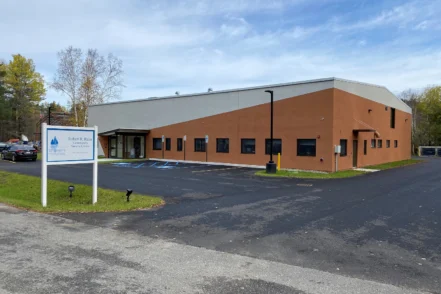
Saint Joseph’s ATRC Saranac Lake Outpatient Clinic
50 John Munn Road, Saranac Lake, NY 12983
-
 New York
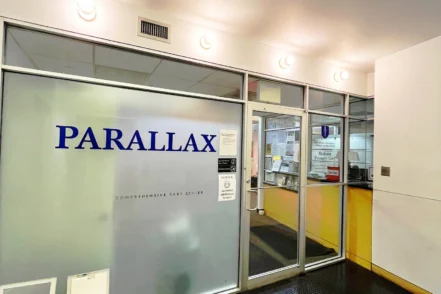
Parallax Center Inc.
145 East 32nd Street, 6th floor, New York, NY 10016
-
 New York
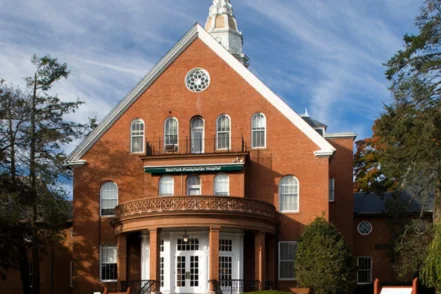
NewYork Presbyterian Westchester Division
21 Bloomingdale Road, White Plains, NY 10605
-
 New York
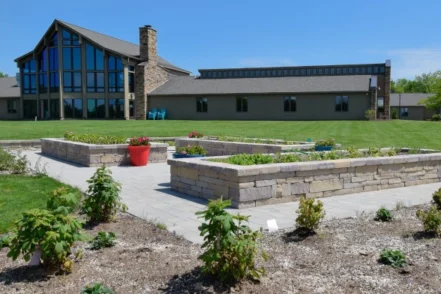
Tully Hill Treatment and Recovery
5821 Route 80 Tully, New York 13159
-
 New York
Seafield Mineola
110 Main Street, Mineola, NY 11501
- New York
Elmhurst Hospital Center Elmhurst
7901 Broadway Street Elmhurst, New York 11373
-
 New York
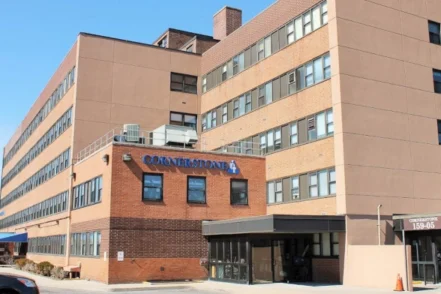
Cornerstone
159-05 Union Turnpike Fresh Meadows, New York 11366
-
 New York
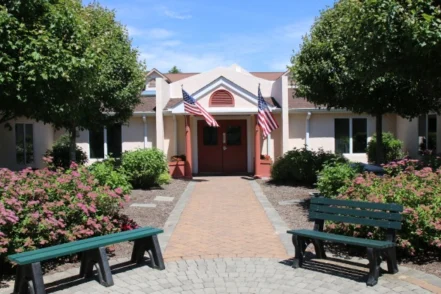
Long Island Center For Recovery
320 West Montauk Highway, Hampton Bays, NY 11946
-
 New York
 Center for Living
226 East 52nd Street, New York, NY 10022
-
 New York
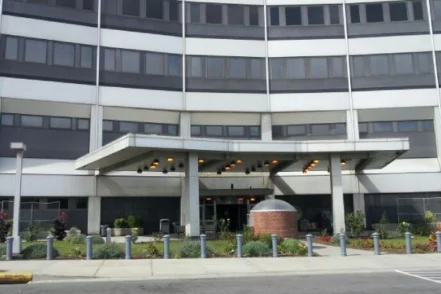
Bronx VA James J Peters Medical Center
130 West Kingsbridge Road Bronx, New York 10468
-
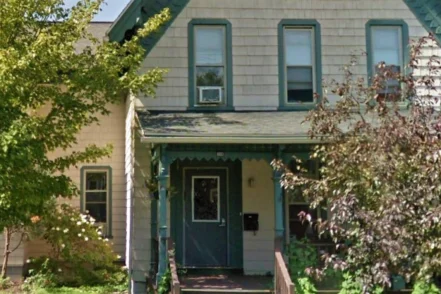 New York
Credo Community Center Mens Aftercare Community Residence (Closed)
138 Winthrop Street Watertown, New York 13601
-
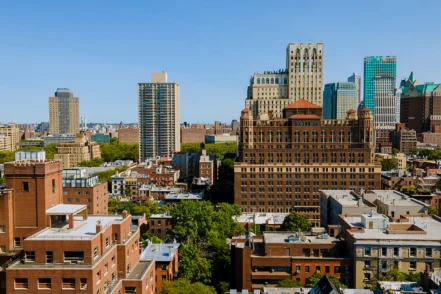 New York
Realization Center Brooklyn
175 Remsen Street Brooklyn, New York 11201
-
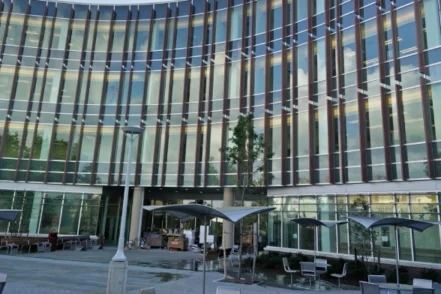 New York
Bronx Addiction Treatment Center
1500 Waters Place, Building 13 Bronx, New York 10461
-
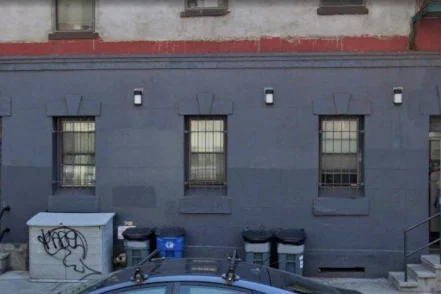 New York
Lafayette Medical Approach
233 Lafayette Street, New York, NY 10012
Other Popular New York Cities
Browse by New York cities
- Wainscott
- Walden
- Walton
- Wantagh
- Wappingers Falls
- Warsaw
- Waterloo
- Watertown
- Watkins Glen
- Waverly
- Webster
- Wellsville
- West Babylon
- West Haven
- West Haverstraw
- West Hempstead
- West Seneca
- Westbury
- Westhampton Beach
- Westons Mills
- White Plains
- Willard
- Williston Park
- Wingdale
- Woodmere
- Woodside
- Woodstock
- Wyandanch