
About Hope House Bette Center
Hope House Bette Center offers residential reintegration services for men in Albany, New York providing a structured environment focused on long term recovery and independent living. Operated by the long established Hope House, Inc. nonprofit the program connects residents to outpatient counseling and medication assisted treatment with psychiatric care while they rebuild stability.
Residential Reintegration With MAT
Licensed by the New York State Office of Addiction Services and Supports as an 820 residential program, Bette Center serves young adult and adult men, including those with co-occurring mental health and substance use disorders. Residents receive case management, group services, and access to medication-assisted treatment and psychiatric support through a nurse practitioner.
Daily life blends structured recovery work with practical skill-building including counseling and peer support, life skills development, and continuing care planning. The facility features an on-site recreation room and a spacious backyard with a basketball court, fostering an engaging community-oriented atmosphere.
Additional Support and Payment Options
Beyond residential reintegration Bette Center connects residents to recovery coaching and housing assistance, job support and transportation help, and trauma informed care. Hope House also operates a broader network of residential and outpatient programs throughout the Capital Region.
Accepted coverage includes CDPHP Medicaid, Fidelis Medicaid, MVP Medicaid, and Straight Medicaid, with commercial insurance reviewed case by case. Self pay and state funded options may also be available.
Addiction Treatment Programs

Alcohol Rehab
Alcohol rehab in New York helps clients find the motivation to make a change and gives them the tools to achieve long-term sobriety. Alcohol programs address the mental, emotional, and relational issues that may contribute to addiction. You’ll learn to build a new support network that supports your long-term sobriety.

Dual Diagnosis
People with a dual diagnosis may be using substances to self-medicate. A high-quality rehab in New York can address both issues and help you reach recovery. Along with traditional evidence-based substance use treatment, clients may receive mental health counseling, medication, peer support, and other tools to help them manage their mental health.

Opioid Addiction
A treatment program in New York can give you the tools and skills you need to overcome opioid addiction and reclaim your life. These treatment programs offer detox, inpatient treatment, and outpatient care. You may receive individual, group, and family counseling, peer support, and classes in essential life skills.

Drug Rehab
Drug rehab in New York provides professional treatment to help clients overcome substance misuse and build a drug-free life. High-quality treatment lays a foundation for sobriety and helps prevent relapses by giving you new ways of thinking, better coping skills, and a better understanding of key life skills such as emotional regulation and communication.

Adult Program
Adult programs in New York address a wide range of substance use issues while also helping clients with concerns such as raising children or building a career. Along with traditional evidence-based treatment, clients may receive employment support, parenting classes, and help securing housing.

Men's Rehab
A men’s rehab in New York addresses the unique needs men have and allows them to build relationships in a gender-specific environment. Along with traditional evidence-based treatment, clients may receive education on topics relevant to men, such as fatherhood, healthy relationships, emotional vulnerability, and more.

Young Adult Rehab
When people join a young adult rehab in New York, they learn key life skills while receiving treatment. Along with traditional evidence-based treatment, clients may receive educational support, employment training, and help securing housing.
Insurance Coverage

Self-pay options
There are many ways to pay for rehab in New York, including self-pay. When you pay yourself, you have maximum flexibility to choose the center you most prefer. You can write a check, get a medical loan from a bank or credit union, or send money electronically. The fee structure may vary depending on the level of care.

Financial aid
Those wondering how to pay for rehab in New York may benefit from looking for financial aid programs. You may be able to find aid through community groups in your area, and individual treatment centers may offer grants and scholarships as well.

Private insurance
There are many ways to pay for rehab in New York. One option is private insurance. Your insurance plan can pay for some or all of the costs of rehab, especially if you choose a center that’s in the plan’s network. Be sure to check with the insurer to get full details.

Medicaid
Paying for rehab in New York can be done in multiple ways, including using Medicaid if you qualify. Medicaid covers multiple levels of care, and you may have no out-of-pocket costs. However, you’ll need to choose a treatment center that accepts Medicaid.
Levels of Care
- 1
Detox Treatment
Alcohol and drug rehab in New York generally starts with detox, which lets you start fresh on building a new life. A medical detox program will provide 24/7 supervision by medical staff who can treat withdrawal symptoms with FDA-approved medication and other treatments.
- 2
Inpatient Rehab
Inpatient treatment in New York is led by professionals who help you build new habits and skills to live a substance-free life. Residential treatment allows you to build new relationships and begin to learn how to enjoy life without substance use.
Therapies

Family Therapy
Many people have challenging family backgrounds, and addiction can create unhealthy dynamics as well. Family therapy in New York allows you to address these concerns. Some of the topics covered in family therapy include improving communication, developing healthy coping skills, avoiding codependency and enablement, and learning to support each other in healthy ways that foster recovery from addiction.

Group Therapy
It’s easy to feel isolated when you battle addiction, but group therapy in New York can show you you’re not alone. Group therapy is a normal part of evidence-based treatment programs, and may be a part of inpatient treatment, outpatient care, or both. Topics include addiction education, sharing of experiences, and learning new skills.

Individual Therapy
Individual therapy in New York can provide professional support and accountability as you work through substance use treatment. Individual therapy is a common part of both inpatient and outpatient substance use treatment and may be used to help with skill-building, overcoming trauma, and creating a substance-free lifestyle.

Trauma Therapy
Trauma is an emotional response to a terrible event, and some people use substances to numb those emotions. Trauma-informed therapy in New York can help you address what happened and consciously create a healthier response. Trauma-informed therapy sessions generally last 60 to 90 minutes and may include discussing a specific event, talking about emotional triggers, and learning emotional regulation and cognitive restructuring skills.
Location
Contact Hope House Bette Center

 Sponsored
Treatmentcentersdirectory.com regularly reviews this listing for accuracy but changes may occur between updates. For the most up-to-date information, please contact Hope House Bette Center.
Top Drug Rehab Centers in New York
-
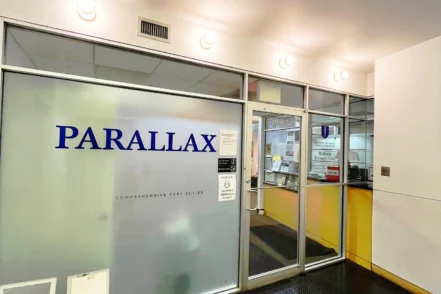 New York
Parallax Center Inc.
145 East 32nd Street, 6th floor, New York, NY 10016
-
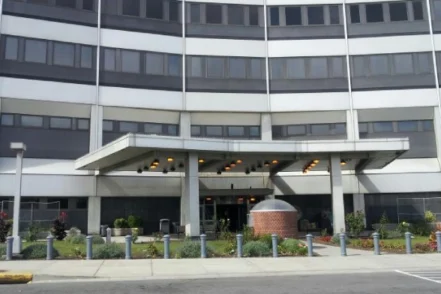 New York
Bronx VA James J Peters Medical Center
130 West Kingsbridge Road Bronx, New York 10468
-
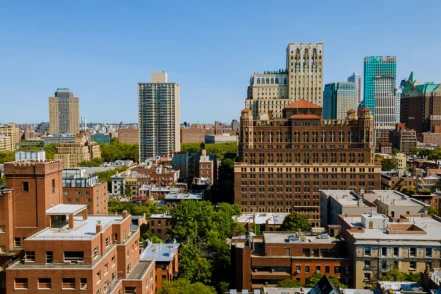 New York
Realization Center Brooklyn
175 Remsen Street Brooklyn, New York 11201
-
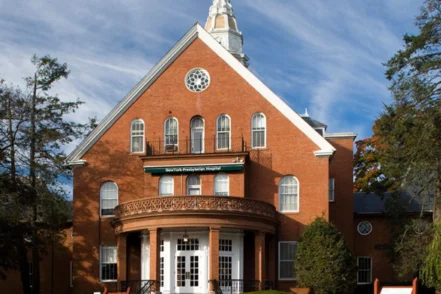 New York
NewYork Presbyterian Westchester Division
21 Bloomingdale Road, White Plains, NY 10605
-
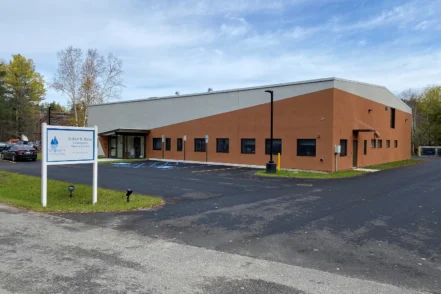 New York
Saint Joseph’s ATRC Saranac Lake Outpatient Clinic
50 John Munn Road, Saranac Lake, NY 12983
-
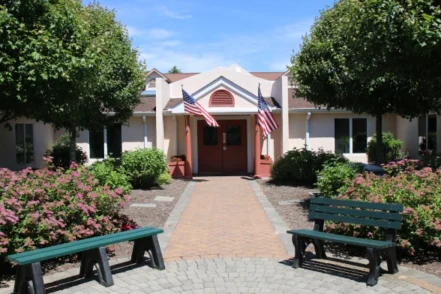 New York
Long Island Center For Recovery
320 West Montauk Highway, Hampton Bays, NY 11946
-
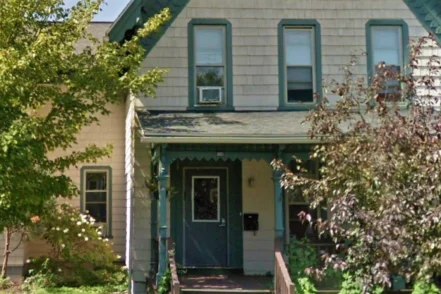 New York
Credo Community Center Mens Aftercare Community Residence
138 Winthrop Street Watertown, New York 13601
-
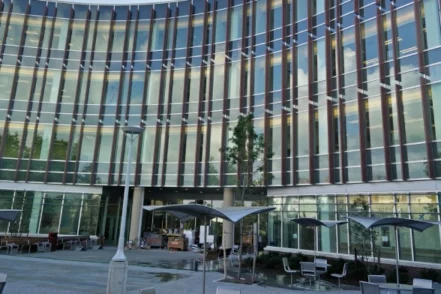 New York
Bronx Addiction Treatment Center
1500 Waters Place, Building 13 Bronx, New York 10461
-
 New York
Seafield Mineola
110 Main Street, Mineola, NY 11501
-
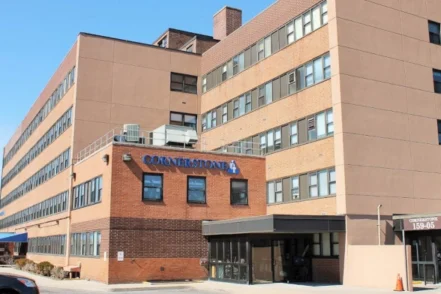 New York
Cornerstone
159-05 Union Turnpike Fresh Meadows, New York 11366
-
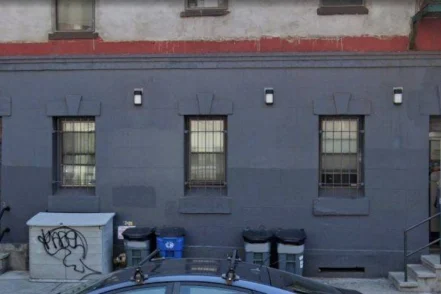 New York
Lafayette Medical Approach
233 Lafayette Street, New York, NY 10012
- New York
Elmhurst Hospital Center Elmhurst
7901 Broadway Street Elmhurst, New York 11373
-
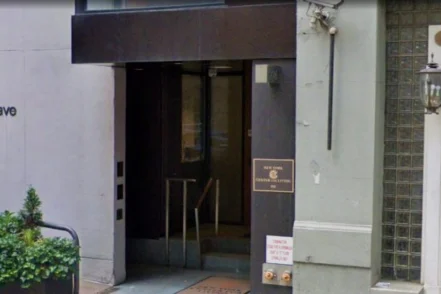 New York
New York Center for Living
226 East 52nd Street, New York, NY 10022
-
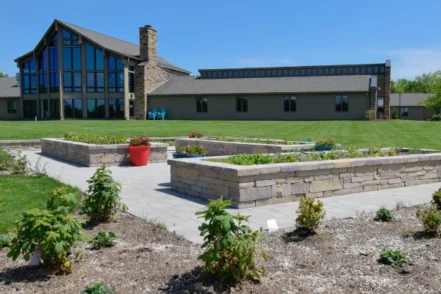 New York
Tully Hill Treatment and Recovery
5821 Route 80 Tully, New York 13159
Other Popular New York Cities
Browse by New York cities
- Wainscott
- Walden
- Walton
- Wantagh
- Wappingers Falls
- Warsaw
- Waterloo
- Watertown
- Watkins Glen
- Waverly
- Webster
- Wellsville
- West Babylon
- West Haven
- West Haverstraw
- West Hempstead
- West Seneca
- Westbury
- Westhampton Beach
- Westons Mills
- White Plains
- Willard
- Williston Park
- Wingdale
- Woodmere
- Woodside
- Woodstock
- Wyandanch