Denver, CO Drug & Alcohol Treatment Centers
14 results nearby
Looking for help with addiction in Denver, CO?

Insurance
Treatment Programs
Looking for help with addiction in Denver, CO?
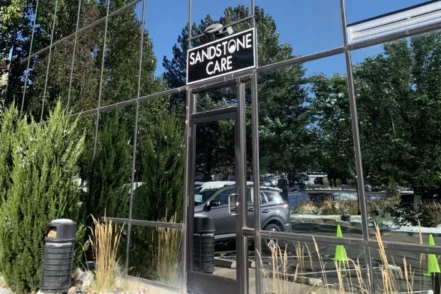
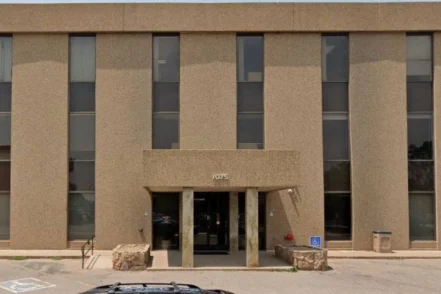
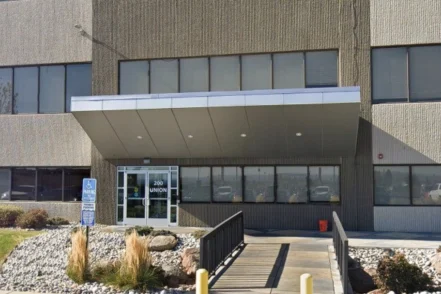
7555 East Hampden Avenue, Suite 103 Denver, Colorado 80231

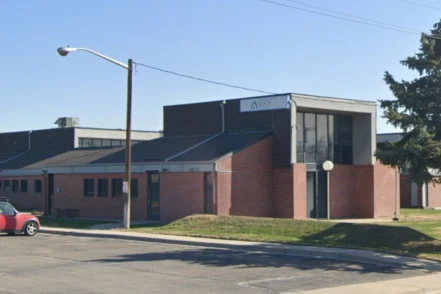
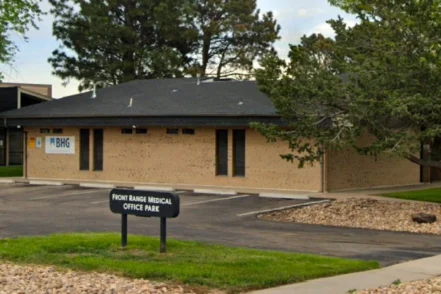
22422 E Main Street Parker, Colorado 80138
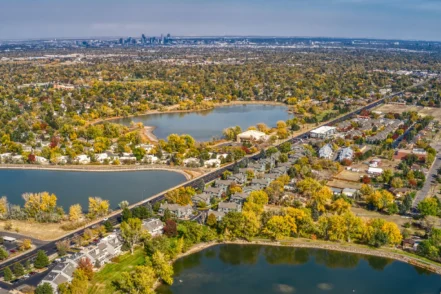
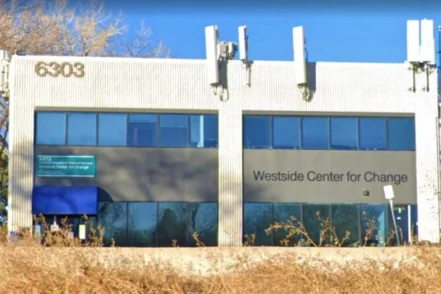
12567 W Cedar Drive, Suite 100 Lakewood, Colorado 80228
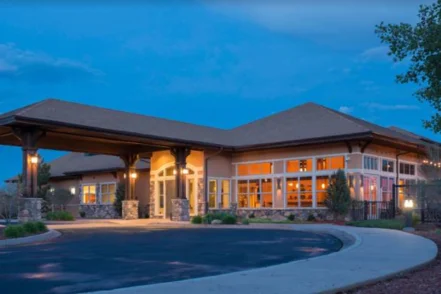
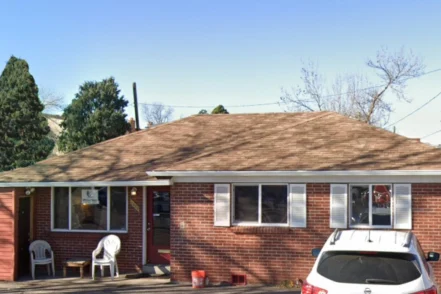
443 S. CO-105 Palmer Lake, Colorado 80133
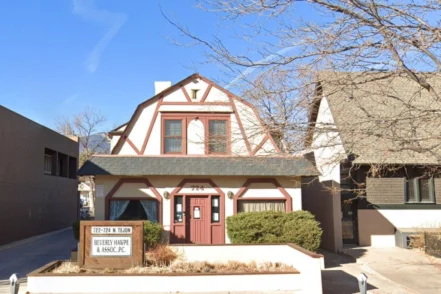
724 North Tejon Street Colorado Springs, Colorado 80903
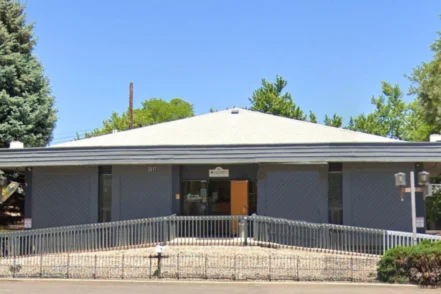
2017 West Eisenhower Boulevard Loveland, Colorado 80537
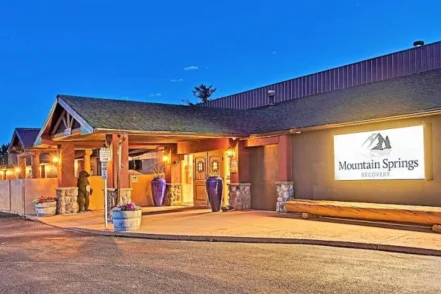
1865 Woodmor Monument, Colorado 80132
601 Snowpeak Ln Louisville, Colorado 80027
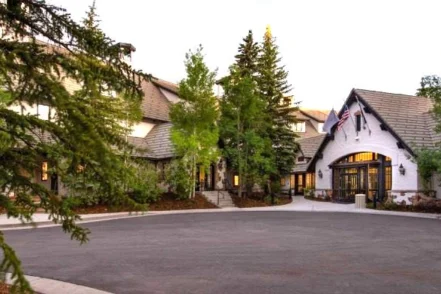
2205 Cordillera Way Edwards, Colorado 81632
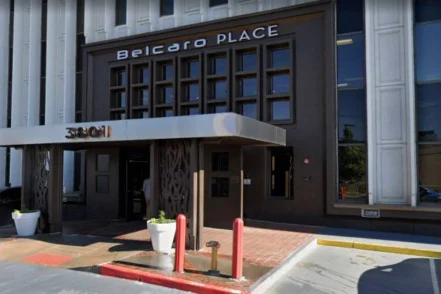
3801 East Florida Avenue, Ste 650, Denver, CO 80210
Denver carries 54 listings in the directory, the largest count anywhere in the state, and it holds the fullest range of care in the metro: medical detox, residential and inpatient programs, partial hospitalization, intensive outpatient, and standard outpatient all operate within city limits. As the state capital and the county seat, Denver is also where Colorado’s licensing structure and its transportation network both converge, which is part of why so many programs choose to locate here.
The cluster map around Denver follows the metro’s major corridors rather than sitting in a single neighborhood. East along I-70 and I-225, Aurora carries 14 listings of its own, giving the eastern side of the metro a real second option pool. North on I-25 and I-76, Commerce City adds 4 listings, and northwest along the US-36 corridor Westminster holds 2. South of downtown, Englewood carries 3 listings along the Santa Fe and I-25 corridor, closer to the Denver Tech Center than to downtown itself.
This is why a Denver search on the site’s map shows programs in these surrounding cities alongside the 54 in Denver proper: the metro functions as one connected treatment market, not a set of separate ones. I-25 running north-south and I-70 running east-west form the two spines that tie the clusters together, and most of the metro’s programs sit within 20 to 30 minutes of one or the other, which matters for anyone weighing a Denver address against a nearby suburb with a shorter drive from where family is staying.
Colorado’s Behavioral Health Administration, the successor to the former Office of Behavioral Health, licenses substance use disorder treatment providers statewide and specifies the level of care each one is authorized to offer: residential, outpatient, or withdrawal management. There is no county gatekeeping step standing between a person and a licensed program; you contact a program directly, and staff there conduct the intake assessment that places you at the right level of care. If a program will be treating someone facing a DUI charge or another court-involved case, confirming that its license covers that population is worth asking about up front. Colorado does not appear to run a single statewide treatment-locator tool the way some states do, so verifying a program’s license status directly with the provider is the more reliable step here.
Denver’s own supply leans toward the full continuum: detox and residential beds sit here alongside outpatient and day programs, while the surrounding ring in Aurora, Commerce City, Westminster, and Englewood is weighted more toward outpatient and intensive outpatient care. Someone who needs a residential bed or a supervised medical detox is more likely to find it inside Denver proper; someone stepping down into IOP after residential care has more even odds across the metro. Colorado’s licensing framework also treats recovery residences as their own category, separate from clinically licensed treatment, so it is worth asking any sober living option whether it carries a state affiliation before committing to it as a step-down from transitional housing.
For anyone trying to keep working or attending school while in treatment, Denver’s central location and the number of programs clustered near downtown and along the RTD rail lines make an evening IOP schedule genuinely workable without a long commute on either end of the day.
Denver International Airport sits about 25 miles from downtown, with a drive of roughly 35 to 45 minutes depending on traffic; many residential programs offer pickup, so confirm the arrangement with admissions before booking a flight. RTD’s A Line commuter rail also connects the airport directly to Union Station downtown in about 37 minutes, which is often the simpler option for a family member flying in for an intake or a family-program weekend and staying without a car.
Once in the metro, I-25 is the north-south spine running straight through downtown toward the Denver Tech Center and on to Colorado Springs, while I-70 crosses east-west and connects to the mountain corridor. I-225 links I-25 near the Tech Center to I-70 in Aurora, which is the fastest way between Denver’s southern suburbs and the eastern cluster. RTD’s rail network, ten lines and around 113 miles of track converging near Union Station, reaches central Denver and many close-in suburbs directly, but the system’s footprint thins out toward the metro’s outer edges, where a car or rideshare is still the realistic way to reach a program’s actual address for the final leg of the trip.
Denver runs a genuine four-season, semi-arid climate: hot, dry summers and cold, snowy winters, with snow possible from November through April and around 60 inches falling in a typical year. The upside for anyone planning a stay is Denver’s roughly 245 sunny days a year, well above the national average, which keeps outdoor programming and walking groups on the calendar more often than not. Pack layers regardless of season, and if travel falls in the winter window, build extra time into any drive to or from the airport.
City Park and Washington Park anchor two of Denver’s largest green spaces and are common ground for walking groups and quiet time between sessions, while Cheesman Park and the Cherry Creek Trail give a closer-in option for anyone based near downtown. Programs and sober living groups in the area use these spaces the way any Denver resident does: as a place to walk off a hard day or clear your head before an evening group.
Denver’s recovery community is spread across the metro rather than concentrated in one district, which mirrors the way treatment itself is distributed here. The city’s outdoor culture, hiking, cycling, and easy weekend access to the mountains, shows up in a lot of local recovery life, and alcohol-free social options have grown alongside Denver’s broader food and coffee scene. For someone finishing a program here, the practical question is usually whether to stay close to the support network built during treatment or move back toward family, and Denver’s size means either choice comes with a real community already in place. The specialty programs hub is worth a look for anyone whose situation calls for a more targeted setting, such as a veterans’ track or a women’s-only program.
Early restrictions on contact and visits are normal in the first weeks of a program; ask admissions directly for the family contact policy and confirm visiting dates before booking travel. For lodging, staying near downtown or Union Station puts you within easy reach of both the A Line to the airport and most of the central Denver clusters, while a suburb near Aurora or the Tech Center may make more sense if that is where your loved one’s program sits.
Between visits, City Park and the Denver Botanic Gardens give families a quiet place to reset, and the shops and restaurants around Union Station work well for a low-key afternoon that does not feel like sightseeing. If the program offers family programming or an education session, taking part gives you a clearer picture of what the aftercare plan will actually look like once your loved one is back home or transitioning to a step-down level of care.
Browse the listings above to see the full range of Denver programs, and visit the Colorado state page for a look at treatment options across the rest of the state.
Common questions about arriving, getting around, and what to expect from treatment in Denver. If a question is not covered here, a program’s admissions team can answer it directly.
You contact a licensed Colorado provider directly and complete an intake assessment there; the state does not run a county pre-approval step for adults seeking care on their own. Staff use that assessment to place you at the right level of care, whether that is detox, residential, or outpatient.
Denver International Airport is the metro’s main airport, about 25 miles from downtown and roughly 35 to 45 minutes by car depending on traffic. RTD’s A Line commuter rail also runs directly between the airport and Union Station downtown in about 37 minutes, which many visiting family members use instead of renting a car.
Not necessarily if your program sits near downtown or one of the ten RTD rail lines converging around Union Station. Programs further out in the suburban ring, including parts of Aurora, Commerce City, and Westminster, are more realistically reached by car or rideshare for at least the final stretch.
Denver’s 54 listings sit inside a larger connected treatment market that includes Aurora, Commerce City, Englewood, and Westminster, all within roughly 20 to 30 minutes on I-25, I-70, or I-225. The map shows that wider radius because most people here choose a program by drive time, not by city line.
Layers year-round, since Denver runs hot, dry summers and cold winters with snow possible from November through April. The metro also gets around 245 sunny days a year, so outdoor programming and walking time stay part of the schedule more often than the winter weather might suggest.
Most programs restrict contact in the first weeks and then open up scheduled visiting, so ask admissions for the specific policy before booking travel. Staying near downtown or Union Station keeps you close to both the airport rail line and most of Denver’s central program clusters.