
About Independence House North Side
Independence House North Side is an outpatient addiction treatment center in Denver, Colorado, located on Kalamath Street. The facility offers a continuum of outpatient services, including weekly outpatient, enhanced outpatient and intensive outpatient (IOP) programs, tailored to adults seeking recovery from substance use disorders and co-occurring mental health challenges. With a specialized focus on criminal justice-involved clients, Independence House North Side integrates accountability, compliance monitoring and case management to support long-term recovery and community reintegration.
Addiction Treatment Programs at Independence House North Side
Clients can access weekly outpatient, enhanced outpatient or intensive outpatient (IOP) programs depending on the level of support they need. The facility also provides assessments, substance abuse monitoring, DUI/DWI services and coordination with probation, parole and Department of Corrections supervision teams.
Treatment includes individual and group therapy, family counseling and life skills training, with evidence based approaches such as CBT, motivational interviewing, the Matrix Model and trauma informed care. Independence House North Side is equipped to treat co-occurring mental health and substance use disorders, and offers telehealth options, medication support and aftercare planning to help clients sustain recovery after completing outpatient treatment.
What to Know About Independence House North Side
- Location: 4300 Kalamath Street in Denver’s North Side neighborhood, serving the Denver metro area
- Levels of care: Weekly outpatient, enhanced outpatient and intensive outpatient (IOP) programs
- Who they treat: Adult men and women, criminal justice-involved clients, DUI/DWI offenders and individuals with co-occurring mental health and substance use disorders
- Approach: Evidence based therapies including CBT, motivational interviewing, trauma counseling and relapse prevention
- Payment options: Self-pay, federal and government funding and sliding fee scale options
- Services: Individual and group therapy, family counseling, case management, life skills, compliance monitoring and telehealth
Addiction Treatment Programs

Alcohol Rehab
If you choose an alcohol rehab in Colorado, you’ll receive professional treatment that will help you break free of addiction. Alcohol programs address the mental, emotional, and relational issues that may contribute to addiction. You’ll learn to build a new support network that supports your long-term sobriety.

Dual Diagnosis
Dual diagnosis treatment in Colorado addresses both your mental health and your recovery needs. Along with traditional evidence-based substance use treatment, clients may receive mental health counseling, medication, peer support, and other tools to help them manage their mental health.

Opioid Addiction
If you’re struggling with opioid addiction, consider finding a treatment program in Colorado. These treatment programs offer detox, inpatient treatment, and outpatient care. You may receive individual, group, and family counseling, peer support, and classes in essential life skills.

Young Adult Rehab
Young adult rehab programs in Colorado address the unique needs of this stage of life. Along with traditional evidence-based treatment, clients may receive educational support, employment training, and help securing housing.

Adult Program
An adult program in Colorado can provide every level of care while addressing the unique emotional and mental needs of adults. Along with traditional evidence-based treatment, clients may receive employment support, parenting classes, and help securing housing.

Senior Rehab
When you attend a senior rehab in Colorado, you’ll work with professionals who understand the unique challenges you face in creating a substance-free life. Along with traditional evidence-based treatment, clients may receive peer support, pain management education, and referrals to social services that can help with challenging aspects of daily life.

Men's Rehab
A men’s rehab in Colorado helps clients build same-gender friendships, overcome substance use, and learn new life skills. Along with traditional evidence-based treatment, clients may receive education on topics relevant to men, such as fatherhood, healthy relationships, emotional vulnerability, and more.

Women's Rehab
Choosing a women’s rehab in Colorado helps give the support you need in overcoming addiction and learning to handle gender-specific challenges. Along with traditional evidence-based treatment, clients may receive help with childcare, classes in parenting, and advice about being a working mother and building healthy relationships.
Insurance Coverage

Self-pay options
Self-pay allows you to pay the full cost of addiction treatment in Colorado by check, sending electronic payment to the center, or getting a medical loan. Keep in mind that fee structures may vary depending on the level of care.
Levels of Care
- 1
Outpatient Rehab
Outpatient treatment in Colorado is led by professionals who provide several hours of treatment per week. Outpatient treatment includes multiple approaches, including cognitive behavioral therapy (CBT), motivational interviewing (MI), and holistic therapy options.
- 2
Sober Living Homes
It’s easy to wonder what’s next after treatment, but fortunately, sober living in Colorado can provide ongoing support. The end of treatment is far from the end of the story. Sober living gives you a solid foundation of support while you build your new, substance-free life.
Therapies

Cognitive Behavior Therapy
If you’re struggling with substance use in Colorado, you may not realize how connected your thoughts and actions are. Cognitive behavioral therapy (CBT) can help increase your awareness. CBT is a common part of evidence-based treatment programs and may be a part of inpatient treatment, outpatient care, or both. CBT can be empowering as you learn to manage your thoughts and emotions rather than being overwhelmed by them.

Dialectical Behavior Therapy
If you’re struggling with substance use in Colorado, you may not realize that you have the power to improve your circumstances. Dialectical behavioral therapy (DBT) can help you learn how to make positive changes. DBT is a common part of evidence-based treatment programs and may be a part of inpatient treatment, outpatient care, or both.

Family Therapy
Family therapy in Colorado is generally led by a professional who facilitates family members sharing their experiences and emotions. Family members learn how to play a positive role in supporting your recovery. Some of the topics covered in family therapy include improving communication, developing healthy coping skills, avoiding codependency and enablement, and learning to support each other in healthy ways that foster recovery from addiction.

Group Therapy
Group therapy in Colorado is generally led by a professional who facilitates client’s sharing of their experiences and emotions. Group therapy is a normal part of evidence-based treatment programs, and may be a part of inpatient treatment, outpatient care, or both. Topics include addiction education, sharing of experiences, and learning new skills.

Individual Therapy
Overcoming substance use is easier if you’re not alone. During individual therapy in Colorado, you’ll have a professional ally who will help you see things in a new way. Individual therapy is a common part of both inpatient and outpatient substance use treatment and may be used to help with skill-building, overcoming trauma, and creating a substance-free lifestyle.

Trauma Therapy
In Colorado, trauma-informed therapy allows you to be honest about what has happened to you in the past and understand how substance use may be a response to that. From there, you can create better coping strategies. Trauma-informed therapy sessions generally last 60 to 90 minutes and may include discussing a specific event, talking about emotional triggers, and learning emotional regulation and cognitive restructuring skills.
Accreditations

Location
Contact Independence House North Side


 Sponsored
Treatmentcentersdirectory.com regularly reviews this listing for accuracy but changes may occur between updates. For the most up-to-date information, please contact Independence House North Side.
Top Drug Rehab Centers in Colorado
-
 Colorado
Valley Hope of Parker
22422 E Main Street Parker, Colorado 80138
-
 Colorado
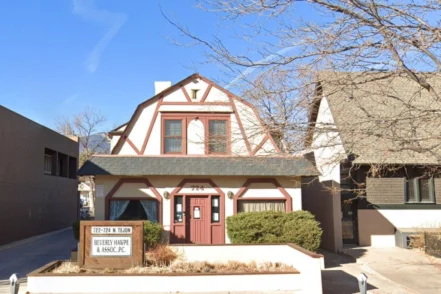
Beverly Hawpe and Associates
724 North Tejon Street Colorado Springs, Colorado 80903
-
 Colorado
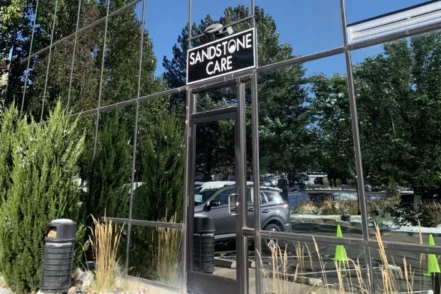
Sandstone Care Denver Center
7555 East Hampden Avenue, Suite 103 Denver, Colorado 80231
-
 Colorado
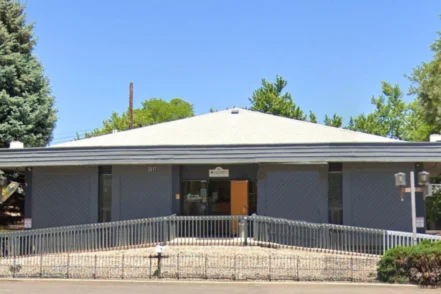
A New Perspective Counseling Centers Loveland
2017 West Eisenhower Boulevard Loveland, Colorado 80537
-
 Colorado
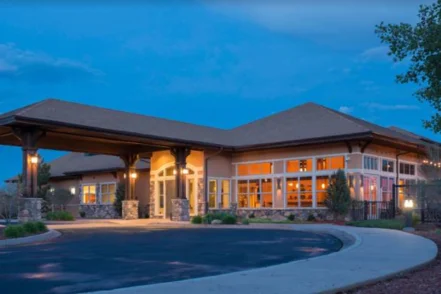
The Recovery Village at Palmer Lake
443 S. CO-105 Palmer Lake, Colorado 80133
-
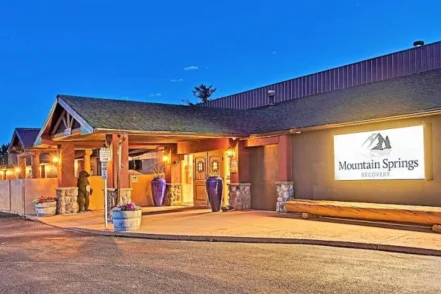 Colorado
Mountain Springs Recovery
1865 Woodmoor Drive, Monument, CO 80132
-
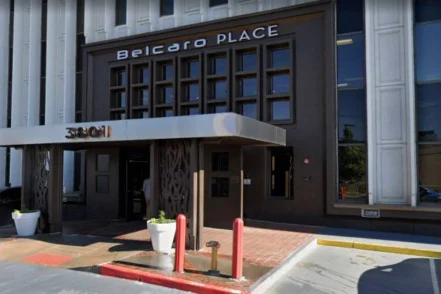 Colorado
Denver Women’s Recovery
3801 East Florida Avenue, Ste 650, Denver, CO 80210
-
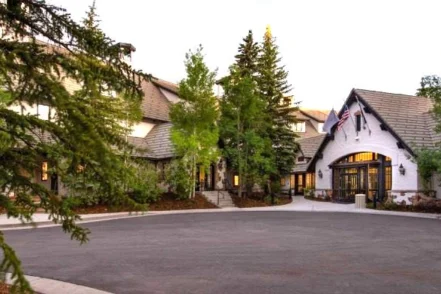 Colorado
All Points North Lodge
2205 Cordillera Way Edwards, Colorado 81632
-
 Colorado
Red Rock Recovery Center
8805 W 14th Ave #200 Lakewood, CO 80215
- Colorado
The Rose House Louisville
601 Snowpeak Ln Louisville, Colorado 80027