
About Destinations to Recovery — Cheney House
Destinations to Recovery’s Cheney House was in Topanga, California. This place was a residential treatment center for adolescents ages 13–17 who needed help for substance use disorders and co‐occurring mental health issues. However, they have since closed.
Onsite care included full residential treatment, dual diagnosis support and a mix of clinical therapies such as individual, group and family therapy, trauma‐informed treatment, behavior modification, and psychotropic medication when needed.
Why Families Chose Destinations to Recovery — Cheney House
- Comprehensive residential care: Offered full‐time, live‐on care with structured therapeutic services and 24/7 supervision.
- Specialized dual diagnosis treatment: Helped teens address mental health concerns like trauma, PTSD, serious emotional disturbance and substance abuse.
- Support for academics and life skills: Onsite schooling including virtual classes, vocational/life‐skills training, healthy meals with vegan and kosher options.
- Healing environment: Located in serene canyon surroundings with amenities like a gym, pool or jacuzzi, waterfall and lush natural grounds in Southern California.
- Payment flexibility: Accepted private insurance and self-pay, with payment assistance available in some cases.
- Family and alumni support: Included family education and therapy to support healing beyond the resident, as well as alumni or community reintegration services.
How to Take the Next Step Toward Recovery at Destinations
Admission generally began with an assessment scheduled through the facility’s admissions team, who would evaluate the teen’s needs, co-occurring diagnoses and match them to the appropriate level of care. The team also helped review funding options—insurance, self-pay, or assistance—to determine what’s possible for each family.
Though Destinations to Recovery — Cheney House in Topanga is now closed, the parent organization continues offering similar residential and outpatient services in other locations. Feel free to review their official program listings or connect with a treatment advisor to see which options best fit your family’s needs and your teen’s journey to recovery.
Addiction Treatment Programs

Alcohol Rehab
If you’re ready to overcome alcohol use disorder, an alcohol rehab in California can give you the tools you need. Whether you need detox, inpatient treatment, or outpatient care, an alcohol program will help you build a new lifestyle based on healthy coping mechanisms, better relationships, and a new way of thinking about life.

Dual Diagnosis
Many people with addiction issues also have a mental health diagnosis, which is known as a dual diagnosis. Be sure to find a rehab in California that can treat both. Whether you need detox, inpatient treatment, or outpatient care, a dual diagnosis program will offer specific support for your mental health needs alongside traditional substance use treatment.

Opioid Addiction
The goal of an alcohol rehab in California is to give you the tools and skills you need to achieve long-term recovery. During this program, you’ll work with professional counselors to deal with the psychological, emotional, and physical issues that opioid misuse can cause. Over time, you’ll learn how to live without substance use long-term.

Men's Rehab
Choosing a men’s rehab in California can be a great way to manage gender-specific issues while also addressing substance use. Whether you need detox, inpatient treatment, or outpatient care, a men’s program will offer specific support for your emotional, mental, and social needs.

Women's Rehab
If you’re a woman struggling with substance use, consider a women’s rehab program in California. Whether you need detox, inpatient treatment, or outpatient care, a women’s program will offer specific support for your emotional, mental, and social needs.

Young Adult Rehab
Young adult rehabs in California address a wide range of substance use issues while also helping clients transition into adulthood. Whether you need detox, inpatient treatment, or outpatient care, a young adult program will offer specific support for your emotional, mental, and social needs.
Insurance Coverage

Self-pay options
Paying the full cost of rehab in California yourself is called self-pay. Some people write a check, some electronically send payment to the treatment center, and others get a medical loan. There may be different fee structures depending on the level of care.

Private insurance
Paying for rehab in California is easier if you use private insurance. Keep in mind that coverage levels may vary, and it’s important to try to find a center that’s in-network with your plan. Be sure to ask about your out-of-pocket costs, such as copayments and deductibles.
Levels of Care
- 1
Inpatient Rehab
There are multiple options for addiction treatment in California. During inpatient treatment, you live at the facility and are able to focus on creating a new way of life. During inpatient treatment, clients are able to work on their recovery through counseling, activities, and holistic treatment like mindfulness, art therapy, and more.
- 2
Aftercare Support
Overcoming substance use is a lifelong process. Aftercare in California gives you the support you need to stay sober. Some aftercare programs will help you connect to community resources and social services in your area, from housing to healthcare to financial assistance.
- 3
Intervention Services
Sometimes your friend or loved one needs intervention services in California before they’ll agree to begin treatment. An intervention professional can offer valuable resources and support and help your loved one find the right program, get there, and begin treatment.
Therapies

Cognitive Behavior Therapy
In California, cognitive behavioral therapy (CBT) helps you identify wrong thinking that can create impulsive actions. This makes it much easier to reach long-term recovery. Substance use treatment includes detox, inpatient treatment, and outpatient care, and CBT may be a part of each of these stages. The goal is to help clients identify distorted thinking, replace it with rational thinking, and change their responses accordingly.

Creative Arts Therapy
If you’re struggling with substance use in California, creative arts therapy can help you work through emotions so you can make positive changes. The goal of creative arts therapy is to help clients work through their emotions in a healthy way so they can start to understand the root cause of their substance use.

Experiential Therapy
In California, experiential therapy is a holistic therapy that is widely used in addiction treatment. By participating in art, music, or physical activities like hiking, you can learn to face internal issues without turning to substance use. Instead, you’ll develop healthy coping mechanisms.

Family Therapy
Attending family therapy in California is a way to address broken relationships and dysfunction, helping you establish long-term recovery. There are several goals in family therapy. Some sessions may be focused on specific past events, while others address current broken relationships or how good intentions have gone astray. Over time, family relationships can be restored, making recovery easier.

Group Therapy
Attending group therapy in California is a way to overcome shame and isolation, helping you establish long-term recovery. Substance use treatment includes detox, inpatient treatment, and outpatient care, and group therapy may be a part of each of these stages. The goal is to help clients support each other, provide accountability, and relate to each other’s experiences.

Individual Therapy
During individual therapy in California, clients work with a professional to address specific individual concerns. Some of the topics covered in individual therapy include developing healthy coping skills, addressing past events that may have played a part in substance use, and building a support network.
Accreditations

Location
Contact Destinations to Recovery — Cheney House

 Sponsored
Treatmentcentersdirectory.com regularly reviews this listing for accuracy but changes may occur between updates. For the most up-to-date information, please contact Destinations to Recovery — Cheney House.
Top Drug Rehab Centers in California
-
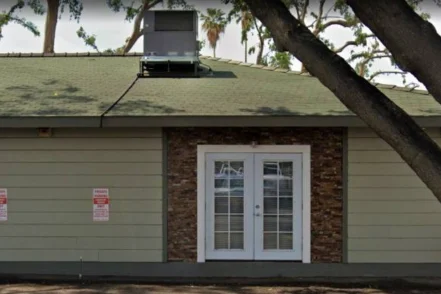 California
Bakersfield Recovery Services IOP Services
2920 H Street Bakersfield, California 93301
-
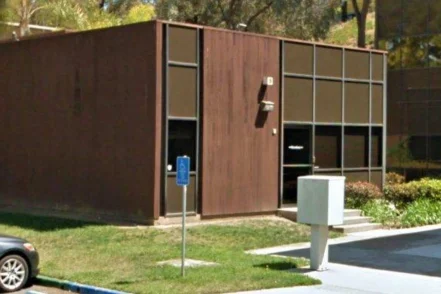 California
Shoreline Recovery Center Alcohol and Drug Rehab San Diego
183 Calle Magdalena, # 101, Encinitas, CA 92024
-
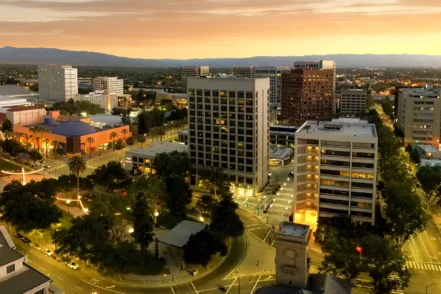 California
Cityteam Mens Program
580 Charles Street San Jose, California 95112
-
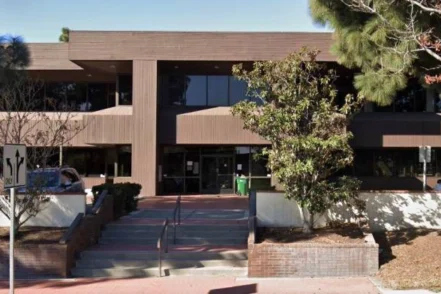 California
Renaissance Recovery
10175 Slater Ave, Suite 200 Fountain Valley, California 92708
-
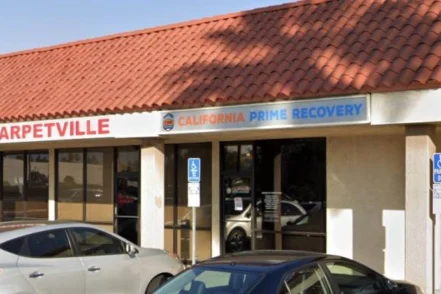 California
California Prime Recovery
17330 Newhope Street, suite a, Fountain Valley, CA 92708
-
 California
Cornerstone of Southern California Santa Ana
13022 Yorba St Santa Ana, California 92705
- California
Windward Way Recovery
3822 Campus Dr Suite 500 Newport Beach, CA 92660
-
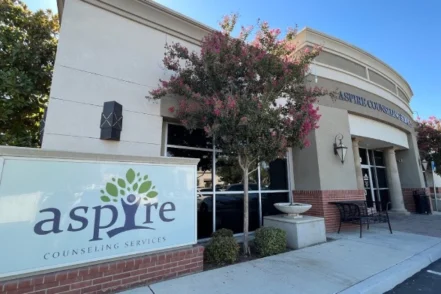 California
Action Family Counseling – The Bakersfield House
9830 Brimhall Road, 100, Bakersfield, CA 93312
- California
Options Recovery Services Berkeley
1835 Allston Way Berkeley, California 94703
-
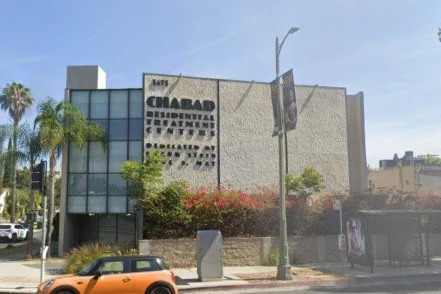 California
Chabad Residential Treatment Center
5675 West Olympic Boulevard, Los Angeles, CA 90036
-
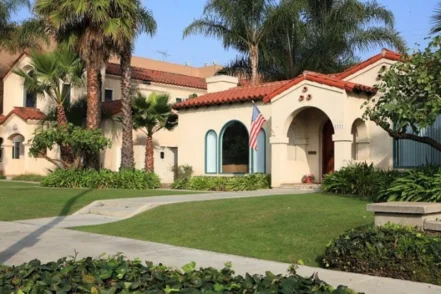 California
New Found Life Long Beach
2211 E Ocean Blvd Long Beach, California 90803
-
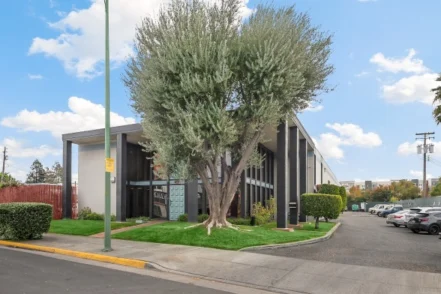 California
New Life Recovery Centers 782 Park Avenue
782 Park Avenue, Suite 1 San Jose, California 95126
-
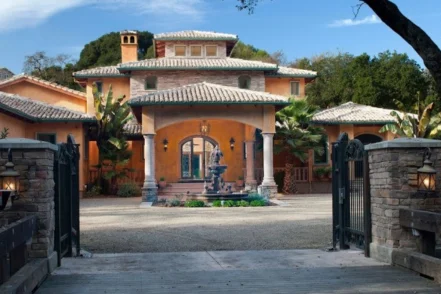 California
Reflections Executive Rehab Facility
1191 Simmons Lane, Novato, CA 94945
-
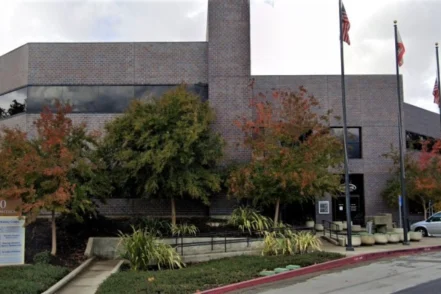 California
Diablo Valley Drug and Alcohol Services
100 Park Place, Suite 120 San Ramon, California 94583
Other Popular California Cities
Browse by California cities
- Calabasas
- Calexico
- Calistoga
- Camarillo
- Cameron Park
- Camp Pendleton
- Campbell
- Campo
- Canoga Park
- Canyon Country
- Canyon Lake
- Capistrano Beach
- Capitola
- Carlsbad
- Carmel
- Carmichael
- Carson
- Castro Valley
- Cathedral City
- Century City
- Ceres
- Cerritos
- Chatsworth
- Chico
- Chino
- Chino Hills
- Chowchilla
- Chula Vista
- Citrus Heights
- City of Industry
- Claremont
- Clearlake
- Clearlake Oaks
- Clovis
- Coachella
- Coalinga
- Coloma
- Colton
- Colusa
- Commerce
- Compton
- Concord
- Copperopolis
- Corcoran
- Corning
- Corona
- Corona Del Mar
- Coronado
- Corte Madera
- Costa Mesa
- Cotati
- Covelo
- Covina
- Crescent City
- Crestline
- Culver City
- Cupertino
- La Crescenta
- La Habra
- La Jolla
- La Mesa
- La Mirada
- La Puente
- La Quinta
- La Verne
- Ladera Ranch
- Lafayette
- Laguna Beach
- Laguna Hills
- Laguna Niguel
- Laguna Woods
- Lake Arrowhead
- Lake Elsinore
- Lake Forest
- Lake Hughes
- Lakeport
- Lakeside
- Lakewood
- Lamont
- Lancaster
- Lawndale
- Lemon Grove
- Lemoore
- Lincoln
- Live Oak
- Livermore
- Livingston
- Lodi
- Loma Linda
- Lomita
- Lompoc
- Long Beach
- Loomis
- Los Alamitos
- Los Altos
- Los Angeles
- Los Banos
- Los Gatos
- Loyalton
- Lucerne
- Lucerne Valley
- Lynwood
- Madera
- Malibu
- Mammoth Lakes
- Manteca
- Marina
- Marina Del Rey
- Mariposa
- Markleeville
- Martinez
- Marysville
- Mather
- Mcclellan
- Menlo Park
- Mentone
- Merced
- Middletown
- Mill Valley
- Mission Hills
- Mission Viejo
- Modesto
- Mojave
- Monrovia
- Montclair
- Montebello
- Monterey
- Moorpark
- Moreno Valley
- Morgan Hill
- Mountain View
- Murrieta
- Pacific Grove
- Pacific Palisades
- Pacifica
- Pacoima
- Palm Desert
- Palm Springs
- Palmdale
- Palo Alto
- Palos Verdes Peninsula
- Panorama City
- Paradise
- Paramount
- Pasadena
- Patterson
- Perris
- Petaluma
- Pico Rivera
- Piru
- Pittsburg
- Placentia
- Placerville
- Playa Del Rey
- Pleasanton
- Pollock Pines
- Pomona
- Port Hueneme
- Porterville
- Poway
- Sacramento
- Salinas
- San Anselmo
- San Bernardino
- San Bruno
- San Carlos
- San Clemente
- San Diego
- San Dimas
- San Fernando
- San Francisco
- San Jacinto
- San Jose
- San Juan Capistrano
- San Leandro
- San Lorenzo
- San Luis Obispo
- San Marcos
- San Martin
- San Mateo
- San Pablo
- San Pedro
- San Rafael
- San Ramon
- San Ysidro
- Sanger
- Santa Ana
- Santa Barbara
- Santa Clara
- Santa Clarita
- Santa Cruz
- Santa Fe Springs
- Santa Maria
- Santa Monica
- Santa Paula
- Santa Rosa
- Santa Ynez
- Santee
- Saratoga
- Sausalito
- Scotts Valley
- Seaside
- Sebastopol
- Sherman Oaks
- Sherwood Forest
- Sierra Madre
- Signal Hill
- Simi Valley
- Skyforest
- Solana Beach
- Sonora
- Soquel
- South El Monte
- South Gate
- South Lake Tahoe
- South San Francisco
- Spring Valley
- St. Helena
- Stanton
- Stockton
- Studio City
- Sun Valley
- Susanville
- Sylmar