
About Turning Point Home
Turning Point Home provides addiction treatment in San Diego, California exclusively for adult women with alcohol and substance use disorders.
The program offers educational groups, case management, peer support and 12-step integration to treat alcoholism and co-occurring substance use.
Turning Point Home includes gender-specific, trauma-informed and culturally competent care designed to help women build lasting sobriety in a safe, structured environment.
Women’s Residential Recovery
Turning Point Home’s core specialty is gender-specific residential treatment for women navigating alcohol and drug addiction.
Certified by the California DHCS, the program delivers more than the required minimum of clinical and structured hours within a supportive, alcohol- and drug-free home setting.
Treatment includes the Disease Model, Relapse Prevention, Interactive Journaling, Healthy Relationships, Living in Balance and 12 Step Recovery.
Residents engage in weekly counseling, group sessions, alcohol education and crisis intervention, with added support through creative arts, recreational therapy, and a meditation garden.
Continuum of Care and Sober Living
Beyond residential treatment, Turning Point Home offers a meaningful next step through The 10th Step House sober living environment.
This continuum, paired with discharge planning, referrals and community 12-step connections, helps women transition into long-term, stable recovery.
The program accepts Medi-Cal and offers self-pay options, with a commitment not to turn women away for lack of financial resources.
Addiction Treatment Programs

Alcohol Rehab
The primary focus is alcohol. Women receive residential treatment plus food and shelter, and many of them also use other drugs.

Dual Diagnosis
Many people with addiction issues also have a mental health diagnosis, which is known as a dual diagnosis. Be sure to find a rehab in California that can treat both. Whether you need detox, inpatient treatment, or outpatient care, a dual diagnosis program will offer specific support for your mental health needs alongside traditional substance use treatment.

Opioid Addiction
The goal of an opioid rehab in California is to give you the tools and skills you need to achieve long-term recovery. During this program, you’ll work with professional counselors to deal with the psychological, emotional, and physical issues that opioid misuse can cause. Over time, you’ll learn how to live without substance use long-term.

Drug Rehab
In California, a drug rehab provides a combination of therapy and education to help clients overcome substance misuse. In a drug treatment program you’ll not only receive treatment, but you’ll participate in activities, receive peer support, and learn how to have fun without substance use.

Adult Program
An adult program in California addresses the unique needs of adults, such as finding secure housing, building a career, and raising a family. Whether you need detox, inpatient treatment, or outpatient care, an adult program will offer specific support for your emotional, mental, and social needs.

Young Adult Rehab
Young adult rehabs in California address a wide range of substance use issues while also helping clients transition into adulthood. Whether you need detox, inpatient treatment, or outpatient care, a young adult program will offer specific support for your emotional, mental, and social needs.

Women's Rehab
Founded for low-income and often homeless women, Turning Point Home provides food, shelter, and residential treatment without regard to age or ability to pay.

12-Step Program
Insurance Coverage

Self-pay options
Paying the full cost of rehab in California yourself is called self-pay. Some people write a check, some electronically send payment to the treatment center, and others get a medical loan. There may be different fee structures depending on the level of care.

Medicaid
No one is turned away for lack of financial resources. Medi-Cal clients are served here, a Drug Medi-Cal provider since 2018.

Medicare
Medicare is a good way to pay for substance use treatment in California. Your Medicare plan can pay for some or all of the costs of rehab, although you will want to check on the full details. You may have some out-of-pocket costs such as copays or deductibles.
Levels of Care
- 1
Inpatient Rehab
Care is offered at the 3.1 and 3.5 levels, and the program has been a Drug Medi-Cal provider since 2018.
- 2
Aftercare Support
Overcoming substance use is a lifelong process. Aftercare in California gives you the support you need to stay sober. Some aftercare programs will help you connect to community resources and social services in your area, from housing to healthcare to financial assistance.
- 3
Sober Living Homes
Sober living in California is focused on giving you a substance-free place to live, giving you the support you need to stay sober long-term. Sober living is a place where you can practice your new life skills and begin to work toward an independent, substance-free life.
Therapies

Creative Arts Therapy
If you’re struggling with substance use in California, creative arts therapy can help you work through emotions so you can make positive changes. The goal of creative arts therapy is to help clients work through their emotions in a healthy way so they can start to understand the root cause of their substance use.

Group Therapy
Attending group therapy in California is a way to overcome shame and isolation, helping you establish long-term recovery. Substance use treatment includes detox, inpatient treatment, and outpatient care, and group therapy may be a part of each of these stages. The goal is to help clients support each other, provide accountability, and relate to each other’s experiences.

Individual Therapy
During individual therapy in California, clients work with a professional to address specific individual concerns. Some of the topics covered in individual therapy include developing healthy coping skills, addressing past events that may have played a part in substance use, and building a support network.

Recreational Therapy
The goal of recreational therapy in California is to help you learn to trust and work with others so you can create positive change. During recreational therapy, you’ll participate in games, obstacle courses, nature exposure, and more, so that you can learn healthy relationship-building and gain confidence in your ability to overcome challenges.

Animal Therapy
Relapse Prevention
Substance Abuse Counseling
Trauma-Informed Care
Crisis Intervention
Location
Contact Turning Point Home


 Sponsored
Treatmentcentersdirectory.com regularly reviews this listing for accuracy but changes may occur between updates. For the most up-to-date information, please contact Turning Point Home.
Top Drug Rehab Centers in California
-
 California
Windward Way Recovery
3822 Campus Dr Suite 500 Newport Beach, CA 92660
-
 California
Action Family Counseling – The Bakersfield House
9830 Brimhall Road, 100, Bakersfield, CA 93312
-
 California
Cityteam Mens Program
580 Charles Street San Jose, California 95112
-
 California
Shoreline Recovery Center Alcohol and Drug Rehab San Diego
183 Calle Magdalena, # 101, Encinitas, CA 92024
-
 California
New Found Life Long Beach
2211 E Ocean Blvd Long Beach, California 90803
-
 California
Ojai Recovery
158 Rockaway Rd. Oak View CA 93022
-
 California
Bakersfield Recovery Services IOP Services
2920 H Street Bakersfield, California 93301
-
 California
Diablo Valley Drug and Alcohol Services
100 Park Place, Suite 120 San Ramon, California 94583
-
 California
 Prime Recovery
17330 Newhope Street, suite a, Fountain Valley, CA 92708
- California
Options Recovery Services Berkeley
1835 Allston Way Berkeley, California 94703
-
 California
Reflections Executive Rehab Facility
1191 Simmons Lane, Novato, CA 94945
-
 California
Renaissance Recovery
10175 Slater Ave, Suite 200 Fountain Valley, California 92708
-
 California
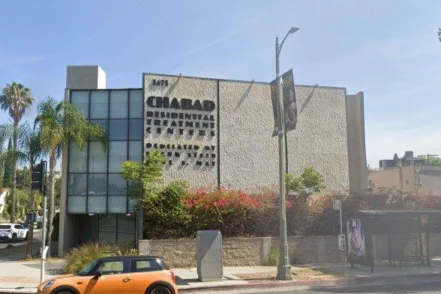
Chabad Residential Treatment Center
5675 West Olympic Boulevard, Los Angeles, CA 90036
- California
Cornerstone of Southern California Santa Ana
13022 Yorba St Santa Ana, California 92705
Other Popular California Cities
Browse by California cities
- Calabasas
- Calexico
- Calistoga
- Camarillo
- Cameron Park
- Camp Pendleton
- Campbell
- Campo
- Canoga Park
- Canyon Country
- Canyon Lake
- Capistrano Beach
- Capitola
- Carlsbad
- Carmel
- Carmichael
- Carson
- Castro Valley
- Cathedral City
- Century City
- Ceres
- Cerritos
- Chatsworth
- Chico
- Chino
- Chino Hills
- Chowchilla
- Chula Vista
- Citrus Heights
- City of Industry
- Claremont
- Clearlake
- Clearlake Oaks
- Clovis
- Coachella
- Coalinga
- Coloma
- Colton
- Colusa
- Commerce
- Compton
- Concord
- Copperopolis
- Corcoran
- Corning
- Corona
- Corona Del Mar
- Coronado
- Corte Madera
- Costa Mesa
- Cotati
- Covelo
- Covina
- Crescent City
- Crestline
- Culver City
- Cupertino
- La Crescenta
- La Habra
- La Jolla
- La Mesa
- La Mirada
- La Puente
- La Quinta
- La Verne
- Ladera Ranch
- Lafayette
- Laguna Beach
- Laguna Hills
- Laguna Niguel
- Laguna Woods
- Lake Arrowhead
- Lake Elsinore
- Lake Forest
- Lake Hughes
- Lakeport
- Lakeside
- Lakewood
- Lamont
- Lancaster
- Lawndale
- Lemon Grove
- Lemoore
- Lincoln
- Live Oak
- Livermore
- Livingston
- Lodi
- Loma Linda
- Lomita
- Lompoc
- Long Beach
- Loomis
- Los Alamitos
- Los Altos
- Los Angeles
- Los Banos
- Los Gatos
- Loyalton
- Lucerne
- Lucerne Valley
- Lynwood
- Madera
- Malibu
- Mammoth Lakes
- Manteca
- Marina
- Marina Del Rey
- Mariposa
- Markleeville
- Martinez
- Marysville
- Mather
- Mcclellan
- Menlo Park
- Mentone
- Merced
- Middletown
- Mill Valley
- Mission Hills
- Mission Viejo
- Modesto
- Mojave
- Monrovia
- Montclair
- Montebello
- Monterey
- Moorpark
- Moreno Valley
- Morgan Hill
- Mountain View
- Murrieta
- Pacific Grove
- Pacific Palisades
- Pacifica
- Pacoima
- Palm Desert
- Palm Springs
- Palmdale
- Palo Alto
- Palos Verdes Peninsula
- Panorama City
- Paradise
- Paramount
- Pasadena
- Patterson
- Perris
- Petaluma
- Pico Rivera
- Piru
- Pittsburg
- Placentia
- Placerville
- Playa Del Rey
- Pleasanton
- Pollock Pines
- Pomona
- Port Hueneme
- Porterville
- Poway
- Sacramento
- Salinas
- San Anselmo
- San Bernardino
- San Bruno
- San Carlos
- San Clemente
- San Diego
- San Dimas
- San Fernando
- San Francisco
- San Jacinto
- San Jose
- San Juan Capistrano
- San Leandro
- San Lorenzo
- San Luis Obispo
- San Marcos
- San Martin
- San Mateo
- San Pablo
- San Pedro
- San Rafael
- San Ramon
- San Ysidro
- Sanger
- Santa Ana
- Santa Barbara
- Santa Clara
- Santa Clarita
- Santa Cruz
- Santa Fe Springs
- Santa Maria
- Santa Monica
- Santa Paula
- Santa Rosa
- Santa Ynez
- Santee
- Saratoga
- Sausalito
- Scotts Valley
- Seaside
- Sebastopol
- Sherman Oaks
- Sherwood Forest
- Sierra Madre
- Signal Hill
- Simi Valley
- Skyforest
- Solana Beach
- Sonora
- Soquel
- South El Monte
- South Gate
- South Lake Tahoe
- South San Francisco
- Spring Valley
- St. Helena
- Stanton
- Stockton
- Studio City
- Sun Valley
- Susanville
- Sylmar
FAQs
Which levels of care does Turning Point Home offer?
This is inpatient rehab at levels 3.1 and 3.5. The Department of Health Care Services licenses the program, and Drug Medi-Cal participation started in 2018. When a woman has a co-occurring condition, the plan includes referrals out and help connecting to that care.
Where is the residential program, and how are rooms set up?
The residential program sits on the edge of Golden Hill Park in San Diego. When you arrive, you are shown to a room shared with one, two, or three other women. Food and shelter are part of the stay, along with treatment.
Can you come here if you cannot pay?
Yes. A lack of financial resources does not keep someone out. San Diego County Behavioral Health Services holds the contract for Medi-Cal clients, including people who are Medi-Cal eligible. Drug Medi-Cal participation began in 2018.
Who does Turning Point Home serve?
Women, including women with low incomes and women who have been homeless. Alcohol is the primary focus, and many of the women also use other drugs. This women’s rehab program was founded for that group and provides food, shelter, and residential treatment.
What groups and counseling does the program use?
Residents get individual and group substance use counseling, trauma-informed services, and crisis intervention. Clinical and educational groups use curriculum such as relapse prevention, interactive journaling, and Living in Balance, plus the disease model and healthy relationships. The program also connects women to 12-step meetings in the San Diego recovery community several times a week.