
About Heritage Oaks Hospital
Heritage Oaks Hospital is a 125-bed acute psychiatric hospital in Sacramento, California for adults and senior adults with inpatient behavioral health and substance use care.
The facility specializes in dual diagnosis treatment for co-occurring psychiatric conditions and chemical dependency alongside crisis stabilization and a broader continuum of outpatient services.
Heritage Oaks is dedicated to individualized, compassionate care that helps people feel better and move confidently toward recovery.
Dual Diagnosis Treatment
Heritage Oaks offers inpatient hospitalization with dedicated dual diagnosis services for individuals facing both mental health conditions and drug or alcohol dependency.
Care is delivered through a multidisciplinary team led by a psychiatrist and supported by nursing staff, a clinical therapist and a case manager.
The addiction component integrates a 12-step disease model to address both psychiatric symptoms and substance use at their roots.
Patients receive coordinated, individualized care focused on stabilization and building a solid discharge plan.
A Full Continuum of Behavioral Health Care
Beyond focusing on inpatient care the broader Heritage Oaks system expands access with Partial Hospitalization and Intensive Outpatient programs, including dual diagnosis tracks and virtual options.
Programming reaches adolescents, adults, seniors, military service members and veterans, and no-cost confidential assessments are available 24/7 with walk-ins welcome.
Addiction Treatment Programs

Dual Diagnosis
Many people with addiction issues also have a mental health diagnosis, which is known as a dual diagnosis. Be sure to find a rehab in California that can treat both. Whether you need detox, inpatient treatment, or outpatient care, a dual diagnosis program will offer specific support for your mental health needs alongside traditional substance use treatment.

Young Adult Rehab
Young adult rehabs in California address a wide range of substance use issues while also helping clients transition into adulthood. Whether you need detox, inpatient treatment, or outpatient care, a young adult program will offer specific support for your emotional, mental, and social needs.

Adult Program
The Adult Program at Heritage Oaks Hospital delivers inpatient psychiatric treatment for adults facing mental health and substance use disorders, supported by a multidisciplinary care team in Sacramento.

Senior Rehab
Offering specialized substance use treatment for those who are older, senior rehabs in California provide a safe space to work on recovery. Whether you need detox, inpatient treatment, or outpatient care, a senior program will offer specific support for your physical, emotional, mental, and social needs.

LGBTQ Friendly Rehab
Offering specialized substance use treatment for the LGBTQ+ community, LGBTQ+ friendly rehabs in California provide a safe space to work on recovery. These programs offer personalized treatment that incorporates your physical, mental, and emotional needs. You’ll find the compassionate care you need to overcome addiction.

Military Rehab
A military rehab in California provides an understanding environment that makes it easier to work on your long-term recovery. Whether you need detox, inpatient treatment, or outpatient care, a military program will offer specific support for your emotional, mental, and social needs. This may include help overcoming PTSD, trauma-informed care, and more.
Dual Diagnosis Program
Heritage Oaks Hospital’s Dual Diagnosis Program treats individuals experiencing both a substance use disorder and a co-occurring mental health condition such as depression, anxiety, bipolar disorder, or PTSD.
Chemical Dependency Program
The Chemical Dependency Program at Heritage Oaks Hospital addresses alcohol and drug addiction through inpatient psychiatric care for adolescents and adults in the Sacramento area.
Adolescent Program
Heritage Oaks Hospital’s Adolescent Program provides inpatient psychiatric treatment for teens, addressing mental health and substance use concerns within a structured hospital-based setting.
Insurance Coverage

Medicaid
One way to pay for rehab in California is to use Medicaid if you qualify for the coverage. You can find treatment centers that accept Medicaid offering multiple levels of care, including detox, inpatient, and outpatient. You may pay little or nothing out-of-pocket.

Private insurance
Paying for rehab in California is easier if you use private insurance. Keep in mind that coverage levels may vary, and it’s important to try to find a center that’s in-network with your plan. Be sure to ask about your out-of-pocket costs, such as copayments and deductibles.

Self-pay options
Paying the full cost of rehab in California yourself is called self-pay. Some people write a check, some electronically send payment to the treatment center, and others get a medical loan. There may be different fee structures depending on the level of care.

Financial aid
One way to pay for rehab in California is to use financial aid programs if you qualify. Treatment programs may offer grants and scholarships to help you afford the cost of treatment, or you might find help from non-profits or other community groups.

Medicare
Medicare is a good way to pay for substance use treatment in California. Your Medicare plan can pay for some or all of the costs of rehab, although you will want to check on the full details. You may have some out-of-pocket costs such as copays or deductibles.

Military insurance
For those with military insurance, using your coverage to pay for treatment in California can make rehab more accessible. Your insurance plan can pay for some or all of the costs of rehab, although you will want to contact the insurer for full details. You may have some out-of-pocket costs such as copays or deductibles.
Levels of Care
- 1
Inpatient Rehab
Heritage Oaks Hospital in Sacramento provides inpatient psychiatric hospitalization for adolescents and adults, including a Chemical Dependency Program for those needing 24-hour structured medical and clinical support.
- 2
Outpatient Rehab
Through its Intensive Outpatient Program and Branches locations across the Sacramento region, Heritage Oaks Hospital offers continued therapy and support while patients maintain daily home and work responsibilities.
- 3
Partial Hospitalization Program
The PHP at Heritage Oaks Hospital offers structured daytime treatment for adolescents and adults who need intensive support but do not require full inpatient hospitalization, bridging care after discharge.
Therapies

Cognitive Behavior Therapy
In California, cognitive behavioral therapy (CBT) helps you identify wrong thinking that can create impulsive actions. This makes it much easier to reach long-term recovery. Substance use treatment includes detox, inpatient treatment, and outpatient care, and CBT may be a part of each of these stages. The goal is to help clients identify distorted thinking, replace it with rational thinking, and change their responses accordingly.

Dialectical Behavior Therapy
In California, dialectical behavioral therapy (DBT) helps you learn healthy coping strategies and build your ability to manage stressful situations. This makes it much easier to reach long-term recovery. Substance use treatment includes detox, inpatient treatment, and outpatient care, and DBT may be a part of each of these stages. The goal is to help clients develop the skills they need to solve the problems they face without substance use.

Experiential Therapy
In California, experiential therapy is a holistic therapy that is widely used in addiction treatment. By participating in art, music, or physical activities like hiking, you can learn to face internal issues without turning to substance use. Instead, you’ll develop healthy coping mechanisms.

Family Therapy
Family involvement is built into treatment planning at Heritage Oaks Hospital, helping loved ones support adolescents and adults working through co-occurring mental health and substance use disorders.

Group Therapy
Patients at Heritage Oaks Hospital participate in therapeutic groups focused on coping skills, relapse prevention, and symptom management as part of inpatient and outpatient programming.

Individual Therapy
Heritage Oaks Hospital incorporates individual therapy into personalized treatment plans, allowing the multidisciplinary team to address each patient’s mental health and substance use concerns within the Sacramento hospital setting.

Trauma Therapy
Trauma-informed therapy in California can provide a way to process past events and create better coping strategies as you work through substance use treatment. Both inpatient treatment and outpatient care can include trauma-informed therapy, which helps you create a feeling of safety, access peer support, embrace the validity of your feelings, and create healthy coping skills.
Location
Contact Heritage Oaks Hospital


 Sponsored
Treatmentcentersdirectory.com regularly reviews this listing for accuracy but changes may occur between updates. For the most up-to-date information, please contact Heritage Oaks Hospital.
Top Drug Rehab Centers in California
-
 California
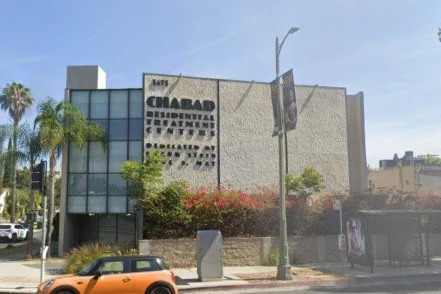
Chabad Residential Treatment Center
5675 West Olympic Boulevard, Los Angeles, CA 90036
-
 California
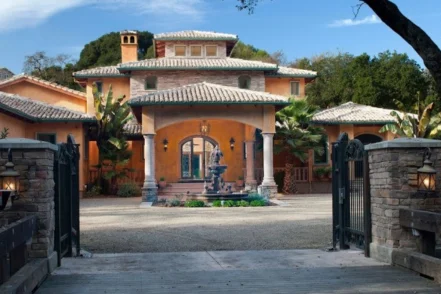
Reflections Executive Rehab Facility
1191 Simmons Lane, Novato, CA 94945
-
 California
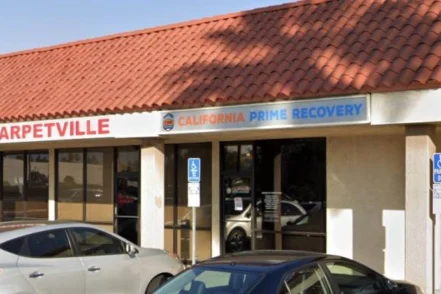
California Prime Recovery
17330 Newhope Street, suite a, Fountain Valley, CA 92708
-
 California
Cornerstone of Southern California Santa Ana
13022 Yorba St Santa Ana, California 92705
-
 California
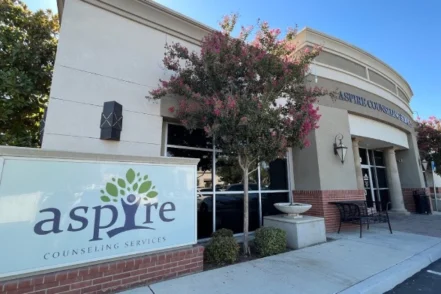
Action Family Counseling – The Bakersfield House
9830 Brimhall Road, 100, Bakersfield, CA 93312
-
 California
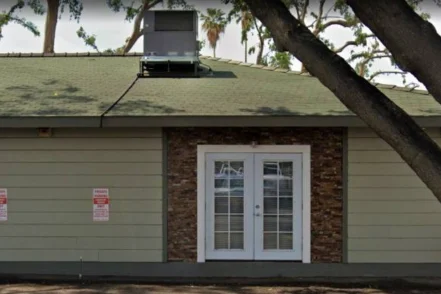
Bakersfield Recovery Services IOP Services
2920 H Street Bakersfield, California 93301
-
 California
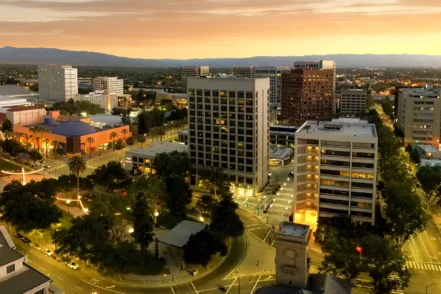
Cityteam Mens Program
580 Charles Street San Jose, California 95112
-
 California
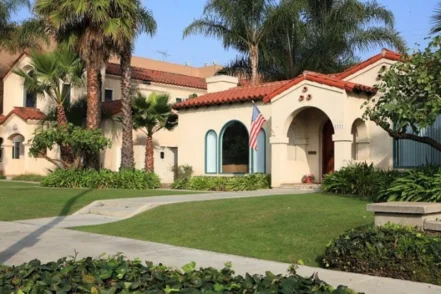
New Found Life Long Beach
2211 E Ocean Blvd Long Beach, California 90803
- California
Options Recovery Services Berkeley
1835 Allston Way Berkeley, California 94703
- California
Windward Way Recovery
3822 Campus Dr Suite 500 Newport Beach, CA 92660
-
 California
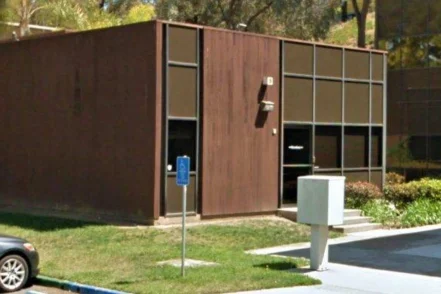
Shoreline Recovery Center Alcohol and Drug Rehab San Diego
183 Calle Magdalena, # 101, Encinitas, CA 92024
-
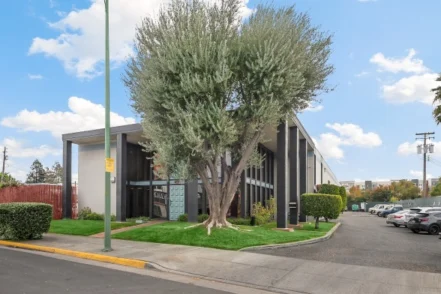 California
New Life Recovery Centers 782 Park Avenue
782 Park Avenue, Suite 1 San Jose, California 95126
-
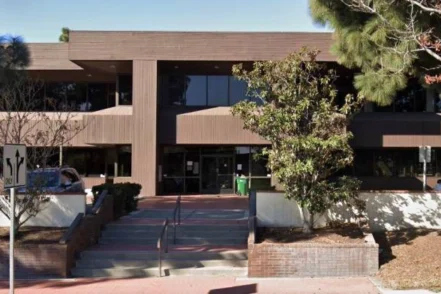 California
Renaissance Recovery
10175 Slater Ave, Suite 200 Fountain Valley, California 92708
-
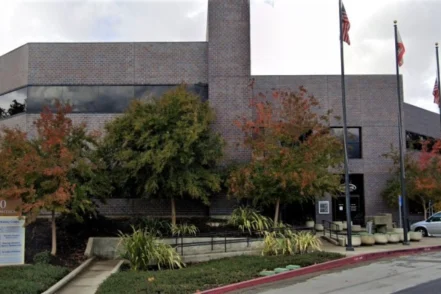 California
Diablo Valley Drug and Alcohol Services
100 Park Place, Suite 120 San Ramon, California 94583
Other Popular California Cities
Browse by California cities
- Calabasas
- Calexico
- Calistoga
- Camarillo
- Cameron Park
- Camp Pendleton
- Campbell
- Campo
- Canoga Park
- Canyon Country
- Canyon Lake
- Capistrano Beach
- Capitola
- Carlsbad
- Carmel
- Carmichael
- Carson
- Castro Valley
- Cathedral City
- Century City
- Ceres
- Cerritos
- Chatsworth
- Chico
- Chino
- Chino Hills
- Chowchilla
- Chula Vista
- Citrus Heights
- City of Industry
- Claremont
- Clearlake
- Clearlake Oaks
- Clovis
- Coachella
- Coalinga
- Coloma
- Colton
- Colusa
- Commerce
- Compton
- Concord
- Copperopolis
- Corcoran
- Corning
- Corona
- Corona Del Mar
- Coronado
- Corte Madera
- Costa Mesa
- Cotati
- Covelo
- Covina
- Crescent City
- Crestline
- Culver City
- Cupertino
- La Crescenta
- La Habra
- La Jolla
- La Mesa
- La Mirada
- La Puente
- La Quinta
- La Verne
- Ladera Ranch
- Lafayette
- Laguna Beach
- Laguna Hills
- Laguna Niguel
- Laguna Woods
- Lake Arrowhead
- Lake Elsinore
- Lake Forest
- Lake Hughes
- Lakeport
- Lakeside
- Lakewood
- Lamont
- Lancaster
- Lawndale
- Lemon Grove
- Lemoore
- Lincoln
- Live Oak
- Livermore
- Livingston
- Lodi
- Loma Linda
- Lomita
- Lompoc
- Long Beach
- Loomis
- Los Alamitos
- Los Altos
- Los Angeles
- Los Banos
- Los Gatos
- Loyalton
- Lucerne
- Lucerne Valley
- Lynwood
- Madera
- Malibu
- Mammoth Lakes
- Manteca
- Marina
- Marina Del Rey
- Mariposa
- Markleeville
- Martinez
- Marysville
- Mather
- Mcclellan
- Menlo Park
- Mentone
- Merced
- Middletown
- Mill Valley
- Mission Hills
- Mission Viejo
- Modesto
- Mojave
- Monrovia
- Montclair
- Montebello
- Monterey
- Moorpark
- Moreno Valley
- Morgan Hill
- Mountain View
- Murrieta
- Pacific Grove
- Pacific Palisades
- Pacifica
- Pacoima
- Palm Desert
- Palm Springs
- Palmdale
- Palo Alto
- Palos Verdes Peninsula
- Panorama City
- Paradise
- Paramount
- Pasadena
- Patterson
- Perris
- Petaluma
- Pico Rivera
- Piru
- Pittsburg
- Placentia
- Placerville
- Playa Del Rey
- Pleasanton
- Pollock Pines
- Pomona
- Port Hueneme
- Porterville
- Poway
- Sacramento
- Salinas
- San Anselmo
- San Bernardino
- San Bruno
- San Carlos
- San Clemente
- San Diego
- San Dimas
- San Fernando
- San Francisco
- San Jacinto
- San Jose
- San Juan Capistrano
- San Leandro
- San Lorenzo
- San Luis Obispo
- San Marcos
- San Martin
- San Mateo
- San Pablo
- San Pedro
- San Rafael
- San Ramon
- San Ysidro
- Sanger
- Santa Ana
- Santa Barbara
- Santa Clara
- Santa Clarita
- Santa Cruz
- Santa Fe Springs
- Santa Maria
- Santa Monica
- Santa Paula
- Santa Rosa
- Santa Ynez
- Santee
- Saratoga
- Sausalito
- Scotts Valley
- Seaside
- Sebastopol
- Sherman Oaks
- Sherwood Forest
- Sierra Madre
- Signal Hill
- Simi Valley
- Skyforest
- Solana Beach
- Sonora
- Soquel
- South El Monte
- South Gate
- South Lake Tahoe
- South San Francisco
- Spring Valley
- St. Helena
- Stanton
- Stockton
- Studio City
- Sun Valley
- Susanville
- Sylmar