
About MHS – Mariposa Clubhouse
Mental Health Systems (MHS) TURN Behavioral Health Services is a California nonprofit behavioral health organization. The organization offers integrated mental health and substance use disorder (SUD) services, including through the Mariposa Clubhouse in Oceanside, California. The Clubhouse is in the same building as the organization’s North Coastal Mental Health Center for clients who need a more structured treatment program.
The clubhouse offers a rehabilitation program that serves those with mental health issues and co-occurring SUD. It is a peer based wellness and mental health center for adults 18 and over.
Membership is free, and no insurance is required. The program is funded through community support and local mental health services.
Safe and Supportive Environment
The peer led program focuses on the social, psychological and biological factors that may impair mental health. Trained staff offer a safe and supportive program that welcomes people from diverse backgrounds, including those in the Spanish speaking community.
The atmosphere is nonjudgmental and fosters community and a sense of belonging. Clients have highlighted the positive impact of the program, the resulting community connections and the compassion of the staff.
International Clubhouse Model
The program embraces the international Clubhouse model. This includes member driven services and prioritizes social connection and personal empowerment.
In lieu of formal clinical therapy, the programs focus on developing life skills and forming good recovery habits, including wellness. Staff includes both peer specialists and mentors who have lived experience of addiction and mental health issues. Attendance is flexible, and individuals can come as little or as often as they need.
Helpful Amenities
The clubhouse offers amenities such as recreational areas, life skills workshops and computer access. There are dedicated spaces for social gatherings, group activities and classes. There is a kitchen and snack area available for the members to use.
The facility is about a mile from downtown Oceanside, a local library and other resources. It’s only a short drive to Oceanside Pier and the beach.
Addiction Treatment Programs

Dual Diagnosis
Many people with addiction issues also have a mental health diagnosis, which is known as a dual diagnosis. Be sure to find a rehab in California that can treat both. Whether you need detox, inpatient treatment, or outpatient care, a dual diagnosis program will offer specific support for your mental health needs alongside traditional substance use treatment.

Adult Program
An adult program in California addresses the unique needs of adults, such as finding secure housing, building a career, and raising a family. Whether you need detox, inpatient treatment, or outpatient care, an adult program will offer specific support for your emotional, mental, and social needs.

Men's Rehab
Choosing a men’s rehab in California can be a great way to manage gender-specific issues while also addressing substance use. Whether you need detox, inpatient treatment, or outpatient care, a men’s program will offer specific support for your emotional, mental, and social needs.

Women's Rehab
If you’re a woman struggling with substance use, consider a women’s rehab program in California. Whether you need detox, inpatient treatment, or outpatient care, a women’s program will offer specific support for your emotional, mental, and social needs.

Young Adult Rehab
Young adult rehabs in California address a wide range of substance use issues while also helping clients transition into adulthood. Whether you need detox, inpatient treatment, or outpatient care, a young adult program will offer specific support for your emotional, mental, and social needs.
Insurance Coverage

Medicaid
One way to pay for rehab in California is to use Medicaid if you qualify for the coverage. You can find treatment centers that accept Medicaid offering multiple levels of care, including detox, inpatient, and outpatient. You may pay little or nothing out-of-pocket.

Private insurance
Paying for rehab in California is easier if you use private insurance. Keep in mind that coverage levels may vary, and it’s important to try to find a center that’s in-network with your plan. Be sure to ask about your out-of-pocket costs, such as copayments and deductibles.

Financial aid
One way to pay for rehab in California is to use financial aid programs if you qualify. Treatment programs may offer grants and scholarships to help you afford the cost of treatment, or you might find help from non-profits or other community groups.

Medicare
Medicare is a good way to pay for substance use treatment in California. Your Medicare plan can pay for some or all of the costs of rehab, although you will want to check on the full details. You may have some out-of-pocket costs such as copays or deductibles.

Sliding scale payment assistance
How do you pay for rehab in California? A good option is to look for programs with a sliding scale payment plan. You may need to provide financial documentation for your income and family size, but the lower fees will make it much easier to get the care you need.
Levels of Care
- 1
Inpatient Rehab
There are multiple options for addiction treatment in California. During inpatient treatment, you live at the facility and are able to focus on creating a new way of life. During inpatient treatment, clients are able to work on their recovery through counseling, activities, and holistic treatment like mindfulness, art therapy, and more.
- 2
Outpatient Rehab
Attending outpatient treatment in California allows you to get evidence-based care without living in the facility, helping you establish long-term recovery. Building a new life for yourself takes time, and it’s important to have enough support throughout the process. Outpatient treatment allows you to have more intensive or less intensive help, depending on your needs.
- 3
Aftercare Support
Overcoming substance use is a lifelong process. Aftercare in California gives you the support you need to stay sober. Some aftercare programs will help you connect to community resources and social services in your area, from housing to healthcare to financial assistance.
- 4
Sober Living Homes
Sober living in California is focused on giving you a substance-free place to live, giving you the support you need to stay sober long-term. Sober living is a place where you can practice your new life skills and begin to work toward an independent, substance-free life.
Therapies

Dialectical Behavior Therapy
In California, dialectical behavioral therapy (DBT) helps you learn healthy coping strategies and build your ability to manage stressful situations. This makes it much easier to reach long-term recovery. Substance use treatment includes detox, inpatient treatment, and outpatient care, and DBT may be a part of each of these stages. The goal is to help clients develop the skills they need to solve the problems they face without substance use.

Experiential Therapy
In California, experiential therapy is a holistic therapy that is widely used in addiction treatment. By participating in art, music, or physical activities like hiking, you can learn to face internal issues without turning to substance use. Instead, you’ll develop healthy coping mechanisms.

Family Therapy
Attending family therapy in California is a way to address broken relationships and dysfunction, helping you establish long-term recovery. There are several goals in family therapy. Some sessions may be focused on specific past events, while others address current broken relationships or how good intentions have gone astray. Over time, family relationships can be restored, making recovery easier.

Group Therapy
Attending group therapy in California is a way to overcome shame and isolation, helping you establish long-term recovery. Substance use treatment includes detox, inpatient treatment, and outpatient care, and group therapy may be a part of each of these stages. The goal is to help clients support each other, provide accountability, and relate to each other’s experiences.

Individual Therapy
During individual therapy in California, clients work with a professional to address specific individual concerns. Some of the topics covered in individual therapy include developing healthy coping skills, addressing past events that may have played a part in substance use, and building a support network.
Location
Contact MHS – Mariposa Clubhouse


 Sponsored
Treatmentcentersdirectory.com regularly reviews this listing for accuracy but changes may occur between updates. For the most up-to-date information, please contact MHS – Mariposa Clubhouse.
Top Drug Rehab Centers in California
-
 California
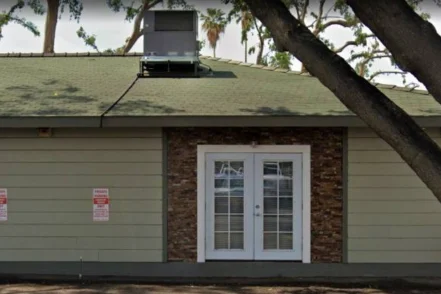
Bakersfield Recovery Services IOP Services
2920 H Street Bakersfield, California 93301
-
 California
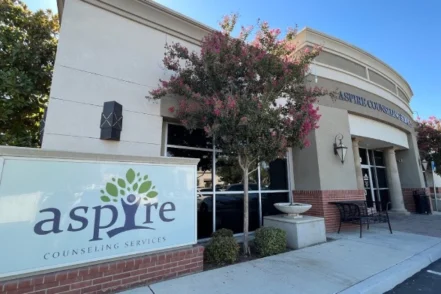
Action Family Counseling – The Bakersfield House
9830 Brimhall Road, 100, Bakersfield, CA 93312
-
 California
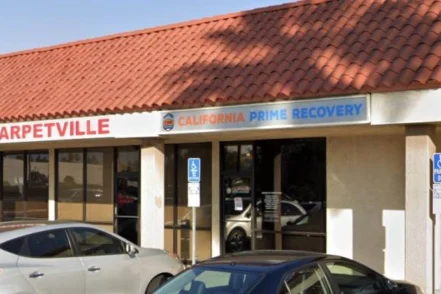
California Prime Recovery
17330 Newhope Street, suite a, Fountain Valley, CA 92708
-
 California
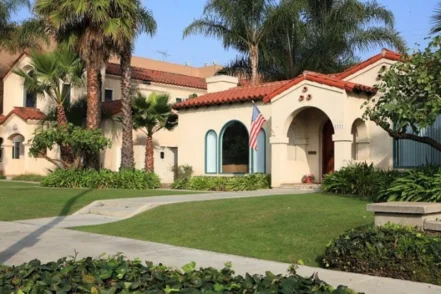
New Found Life Long Beach
2211 E Ocean Blvd Long Beach, California 90803
-
 California
Options Recovery Services Berkeley
1835 Allston Way Berkeley, California 94703
-
 California
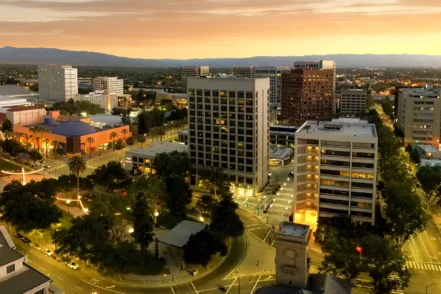
Cityteam Mens Program
580 Charles Street San Jose, California 95112
-
 California
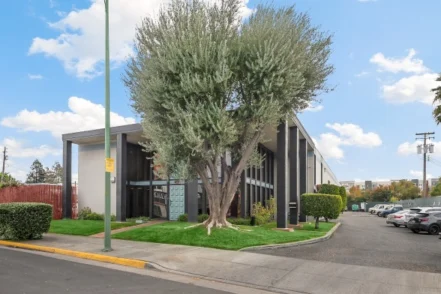
New Life Recovery Centers 782 Park Avenue
782 Park Avenue, Suite 1 San Jose, California 95126
-
 California
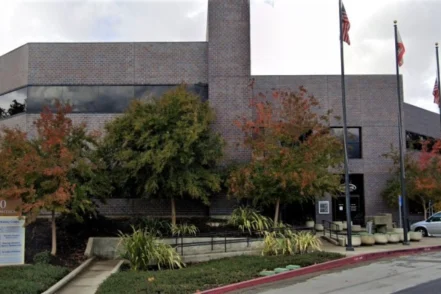
Diablo Valley Drug and Alcohol Services
100 Park Place, Suite 120 San Ramon, California 94583
- California
Cornerstone of Southern California Santa Ana
13022 Yorba St Santa Ana, California 92705
- California
Windward Way Recovery
3822 Campus Dr Suite 500 Newport Beach, CA 92660
-
 California
Shoreline Recovery Center Alcohol and Drug Rehab San Diego
183 Calle Magdalena, # 101, Encinitas, CA 92024
-
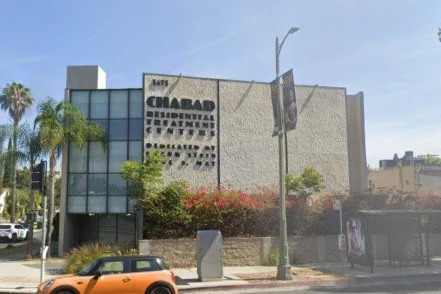 California
Chabad Residential Treatment Center
5675 West Olympic Boulevard, Los Angeles, CA 90036
-
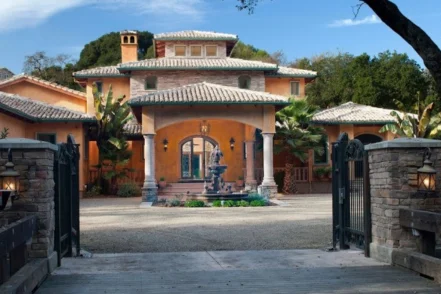 California
Reflections Executive Rehab Facility
1191 Simmons Lane, Novato, CA 94945
-
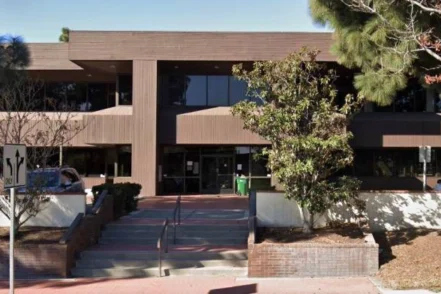 California
Renaissance Recovery
10175 Slater Ave, Suite 200 Fountain Valley, California 92708
Other Popular California Cities
Browse by California cities
- Calabasas
- Calexico
- Calistoga
- Camarillo
- Cameron Park
- Camp Pendleton
- Campbell
- Campo
- Canoga Park
- Canyon Country
- Canyon Lake
- Capistrano Beach
- Capitola
- Carlsbad
- Carmel
- Carmichael
- Carson
- Castro Valley
- Cathedral City
- Century City
- Ceres
- Cerritos
- Chatsworth
- Chico
- Chino
- Chino Hills
- Chowchilla
- Chula Vista
- Citrus Heights
- City of Industry
- Claremont
- Clearlake
- Clearlake Oaks
- Clovis
- Coachella
- Coalinga
- Coloma
- Colton
- Colusa
- Commerce
- Compton
- Concord
- Copperopolis
- Corcoran
- Corning
- Corona
- Corona Del Mar
- Coronado
- Corte Madera
- Costa Mesa
- Cotati
- Covelo
- Covina
- Crescent City
- Crestline
- Culver City
- Cupertino
- La Crescenta
- La Habra
- La Jolla
- La Mesa
- La Mirada
- La Puente
- La Quinta
- La Verne
- Ladera Ranch
- Lafayette
- Laguna Beach
- Laguna Hills
- Laguna Niguel
- Laguna Woods
- Lake Arrowhead
- Lake Elsinore
- Lake Forest
- Lake Hughes
- Lakeport
- Lakeside
- Lakewood
- Lamont
- Lancaster
- Lawndale
- Lemon Grove
- Lemoore
- Lincoln
- Live Oak
- Livermore
- Livingston
- Lodi
- Loma Linda
- Lomita
- Lompoc
- Long Beach
- Loomis
- Los Alamitos
- Los Altos
- Los Angeles
- Los Banos
- Los Gatos
- Loyalton
- Lucerne
- Lucerne Valley
- Lynwood
- Madera
- Malibu
- Mammoth Lakes
- Manteca
- Marina
- Marina Del Rey
- Mariposa
- Markleeville
- Martinez
- Marysville
- Mather
- Mcclellan
- Menlo Park
- Mentone
- Merced
- Middletown
- Mill Valley
- Mission Hills
- Mission Viejo
- Modesto
- Mojave
- Monrovia
- Montclair
- Montebello
- Monterey
- Moorpark
- Moreno Valley
- Morgan Hill
- Mountain View
- Murrieta
- Pacific Grove
- Pacific Palisades
- Pacifica
- Pacoima
- Palm Desert
- Palm Springs
- Palmdale
- Palo Alto
- Palos Verdes Peninsula
- Panorama City
- Paradise
- Paramount
- Pasadena
- Patterson
- Perris
- Petaluma
- Pico Rivera
- Piru
- Pittsburg
- Placentia
- Placerville
- Playa Del Rey
- Pleasanton
- Pollock Pines
- Pomona
- Port Hueneme
- Porterville
- Poway
- Sacramento
- Salinas
- San Anselmo
- San Bernardino
- San Bruno
- San Carlos
- San Clemente
- San Diego
- San Dimas
- San Fernando
- San Francisco
- San Jacinto
- San Jose
- San Juan Capistrano
- San Leandro
- San Lorenzo
- San Luis Obispo
- San Marcos
- San Martin
- San Mateo
- San Pablo
- San Pedro
- San Rafael
- San Ramon
- San Ysidro
- Sanger
- Santa Ana
- Santa Barbara
- Santa Clara
- Santa Clarita
- Santa Cruz
- Santa Fe Springs
- Santa Maria
- Santa Monica
- Santa Paula
- Santa Rosa
- Santa Ynez
- Santee
- Saratoga
- Sausalito
- Scotts Valley
- Seaside
- Sebastopol
- Sherman Oaks
- Sherwood Forest
- Sierra Madre
- Signal Hill
- Simi Valley
- Skyforest
- Solana Beach
- Sonora
- Soquel
- South El Monte
- South Gate
- South Lake Tahoe
- South San Francisco
- Spring Valley
- St. Helena
- Stanton
- Stockton
- Studio City
- Sun Valley
- Susanville
- Sylmar