
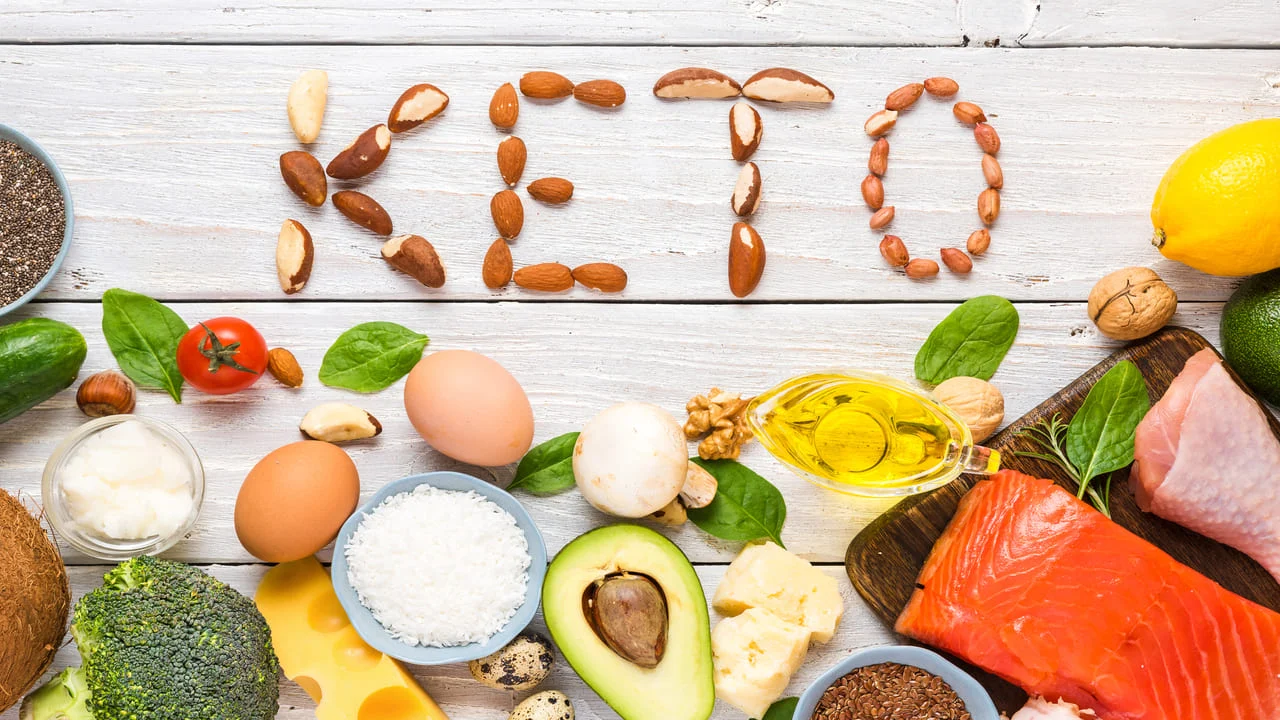
A recent article published in JAMA Psychiatry revealed that ketogenic diets (KD) could be useful in alleviating symptoms commonly suffered by individuals with a dual diagnosis of depression and addictive disorders.
Although several popular KD brands exist, they’re all built on the principle of improving physical and mental health outcomes by drastically reducing and, at times, eliminating carbohydrate intake.
Ketogenic Diets in Dual Diagnosis Treatment
Dr. Russell Wilder first formulated KD back in the 1920s. Wilder worked at the Mayo Clinic and specialized in treating epilepsy and diabetes.
He saw that folks who fasted lowered their seizure rate and developed KD to mimic the metabolic effects of fasting. This induced ketosis, which gave its name to the diet.
When in ketosis, your body turns fat and fat cells into ketones, which provides the bulk of your energy when carbohydrates are scarce.
Several innovative methods to fight depression have hit the market recently. KD is unique in that it takes a dietary approach.
So, why does cutting carbs help with treatment of mental health? The answer is twofold.
How Ketosis May Support Mental Health Treatment
Carbohydrates, especially sugars, cause neuroinflammation. This is an inflammation of the brain when one overindulges.
Any time your brain experiences constant neuroinflammation, its activity slows down. People who constantly eat too much sugar risk damaging important tissues, and this increases over time.
Cutting carbs allows your brain to get back to operating at full speed. Second, when your brain cells burn ketones for fuel, they support your brain’s neurotransmitters and reduce oxidative stress.
This improves your ability to think, helps balance your mood, and keeps brain tissue healthier and stronger for longer. KD joins other holistic therapies that help heal the body and mind.
Depression, Addiction and Nutritional Therapy
Because KD improves the brain’s disrupted neural networks and pathways, it’s a powerful lifestyle tool to help people with epilepsy manage and mitigate seizures.
Moreover, many other conditions that share traits with epilepsy, including depression and addiction disorders, can be managed in a similar manner.
Depression, for instance, often presents with unhealthily low neurotransmitter synthesis (low serotonin being the stereotypical example).
In several studies, ketosis stabilized patients’ neurotransmitter synthesis and led to reported improvements in their condition in just six weeks.
This can be helpful for seniors with addiction tied to undiagnosed mental illness.
Integrating Nutrition Into Behavioral Treatment Centers
Similarly, experts characterize alcoholism and drug use as disordered reward seeking behaviors and patterns.
In this state, individuals favor the neural pathways that reinforce substance use while the substance itself causes or worsens neuroinflammation.
KD helps reverse the effects of neuroinflammation and strengthens the brain’s ability to use alternative neural pathways to those created by drug dependency.
For patients whose withdrawals could include seizures, particularly involving drugs and alcohol, the diet might mitigate symptoms.
Additionally, many individuals living with addictions don’t get the proper nutritional support needed for mental and physical health. A structured diet, like KD, offers a person in recovery an effective mix of micro and macronutrients.
For these reasons, experts conclude that KD can be a complementary tool used alongside traditional medical detox, residential treatment centers, and supervised outpatient treatment programs.
If you’re interested in KD or other rehab options, call 800-908-4823 (Sponsored) or consult our directory to find centers nearby.
Author

Emile Oosthuizen
Read Bio
Emile is a law student in South Africa with a long history of outreach work in and around the country. He holds an undergraduate degree in Commercial Law and Economics. Having seen the problems the legal system in an unequal society can perpetuate, he intends to use his legal career to help people who face complex and difficult legal problems. When he’s not working, he’s either running, playing music, or fixing his (really old) car.
Editor

Eric Owens
Read Bio
Eric Owens has been a writer and editor for various businesses as well as his own successful websites. He has extensive experience creating content in the health and wellness space and the sustainability space. He holds a bachelor degree in Philosophy which helped him with presenting complex information in a simple way that all audiences can understand.
Articles About Alcohol & Treatment

Unpredictable Childhoods Linked to Later Mental Illness
Unpredictable Childhoods Linked to Later Mental Illness Published July 23, 2026 A large new study out of Orange County, California, adds to what researchers understand about childhood adversity and mental health. Even though states like California already have many treatment options for people of all ages, these findings carry implications for how facilities approach dual…

World Cup Season Can Fuel Food and Substance Addiction
World Cup Season Can Fuel Food and Substance Addiction Published July 23, 2026 Late night matches, packed watch parties and constant access to snacks make the FIFA World Cup season a high risk window for food addiction. The same behavioral patterns that drive it often show up alongside substance use and mental health conditions like…

Social Media Addiction Linked to Co-Occurring Behavioral Risks
Social Media Addiction Linked to Co-Occurring Behavioral Risks Published June 22, 2026 Social media addiction may be functioning as a pathway into other behavioral addictions like gambling, gaming, and shopping among adolescents and young adults, according to a new conceptual review. This latest research adds to the case for treating co-occurring conditions together rather than…
Browse Treatment Centers by State
Top National Treatment Centers
-
 Nebraska
CHI Health Richard Young Outpatient Psychiatric Clinic
1755 Prairie View Place Kearney, Nebraska 68845
Treatment Programs
- Dual Diagnosis
- Adult Program
- Young Adult Rehab
- +0
-
 Minnesota
Mayo Clinic Health System Belle Plaine
700 West Prairie Street Belle Plaine, Minnesota 56011
Treatment Programs
- Alcohol Rehab
- Dual Diagnosis
- Opioid Addiction
- +5
-
 Illinois
Rush Behavioral Health Center
<p>7270 West College Drive<br /> Palos Heights, Illinois 60463</p>
Treatment Programs
- +-3
-
 Arizona
FUNE Consulting Services
5125 North 16th Street , Suite B – 223 Phoenix, Arizona 85016
Treatment Programs
- Alcohol Rehab
- Dual Diagnosis
- Opioid Addiction
- +4