
Slow Parental Response Linked to Child Mental Health Risk
Published July 14, 2026

A baby’s earliest conversations, the coos and babbles and the parental response that pass between a child and mother before anyone says a single real word may carry information about childhood mental health risk that shows up years later. These findings may play a role in indirectly reducing mental health issues later on in life and come at a time when the world faces a shortage of mental health providers.
A case-control study found that when mothers took more time to vocally respond to their one-year-old’s own vocalizations, their children tended to more likely receive a psychiatric diagnosis by age seven. Researcher Bethany Stanley of the University of Glasgow drew on 158 mother-infant pairs from the Avon Longitudinal Study of Parents and Children based in the UK.
Mental Health Connected to Addictions
We already know that parental trauma can affect their children. But now, this new study extended parent-child interactions by measuring how quickly mothers responded when their 12-month-old babies vocalized. They then tracked which children later received a psychiatric diagnosis, including ADHD and disruptive behavior disorders, by age seven. For every 10% increase in the likelihood that a mother responded within one second, the odds of her child receiving any psychiatric diagnosis dropped by 17%.
Researchers stopped short of claiming the slower responses cause later problems. “We don’t know yet whether the slow responses cause the problems,” noted Professor Phil Wilson, one of the authors. He relayed that there may be “other factors, such as genetic risk, which might explain our findings.”
Independent experts echoed that caution. Professor Dennis Ougrin of Queen Mary University of London called the findings interesting in terms of empathy recognition and novel risk factor. But he warned against reading them as causal and pointed out how genetic factors could shape both a mother’s response speed and a child’s later mental health.
Co-Occurring Risks
Co-occurring disorders, also called dual diagnosis, describe a mental health condition and a substance use disorder present in the same person at the same time. Clinicians already watch childhood ADHD and disruptive behavior disorders closely because they’re established risk markers for later co-occurring disorders, including a substance use disorder alongside a mental health diagnosis.
That’s partly why researchers see value in identifying risk earlier. Catching behavioral or attention difficulties in childhood opens the door to intervention before patterns compound into adulthood. In adulthood, mental health conditions and drug use more often arrive together and require integrated treatment rather than care that addresses only one condition at a time.
The study itself didn’t track substance use outcomes, since its oldest participants were only seven years old. Its contribution is narrower and earlier in the pipeline: identifying an observable, measurable behavior in infancy and the timing of a mother’s vocal response that may flag which children could benefit from closer developmental monitoring before any diagnosis is made.
Treatment Approaches for Early Intervention
The study authors didn’t aim to alarm parents but to sharpen how clinicians assess psychological vulnerability early. Behaviors like ADHD and conduct problems tend to respond well to early support. The team suggested that simple observation of parent-child play, including the timing of back-and-forth exchanges, could eventually feed into screening tools used by pediatricians.
Evidence-based approaches such as cognitive behavioral therapy in inpatient or outpatient care and parent-child interaction therapy commonly address attention and behavior concerns once they are identified.
Comprehensive Mental Health Care
Families noticing early attention, behavior, or emotional regulation concerns in a child don’t need to wait for a formal diagnosis to seek guidance. Pediatricians, child psychologists, and behavioral health specialists can assess a child’s needs and connect families to address mental health and any co-occurring risk factors as a child matures.
Call 800-908-4823 (Sponsored) for guidance on comprehensive mental health and co-occurring disorder treatment options alongside an expert. Or, simply browse our directory to find verified centers all across the USA.
Author

Nikki Wisher, BA
Read Bio
Nikki Wisher is an Atlanta-based content writer who specializes in health and wellness. After earning her BA in English, she has been writing in the health and wellness space for over a decade, with credits ranging from addiction recovery to fitness to aesthetics and skin care. This includes her inclusive running blog forallrunners.com.
Editor

Peter Lee, PhD
Read Bio
Peter W.Y. Lee is a writer and historian of American history during the Cold War. His primary focus is the relationship between youth and popular culture and its impact on U.S. society during the twentieth century. He has published widely on how the public has used popular culture as a mechanism to address political and social shifts throughout time
Articles About Alcohol & Treatment

Psilocybin Study Offers Clues for Dual Diagnosis Care
Psilocybin Study Offers Clues for Dual Diagnosis Care Published July 24, 2026 A single dose of psilocybin, the psychedelic compound in magic mushrooms, may produce measurable brain changes that last for a month, according to new research from UC San Francisco and Imperial College London. While the study enlisted healthy adults without diagnosed mental health…

Nicotine Use Tied to Teen Anxiety and Depression Risk
Nicotine Use Tied to Teen Anxiety and Depression Risk Published July 24, 2026 Adolescents who use nicotine, whether through cigarettes, vapes or nicotine pouches, are more likely to report anxiety, depression, and other mental health symptoms than peers who don’t. New research out of the University of Gothenburg pointed out that girls appear especially vulnerable.…

Unpredictable Childhoods Linked to Later Mental Illness
Unpredictable Childhoods Linked to Later Mental Illness Published July 23, 2026 A large new study out of Orange County, California, adds to what researchers understand about childhood adversity and mental health. Even though states like California already have many treatment options for people of all ages, these findings carry implications for how facilities approach dual…
Browse Treatment Centers by State
-
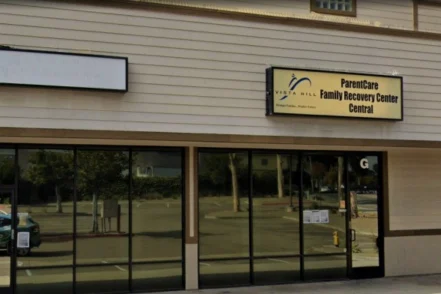 California
Vista Hill Foundation Parent Care
4125 Alpha Street, Suite G San Diego, California 92113
Treatment Programs
- Alcohol Rehab
- Dual Diagnosis
- Opioid Addiction
- +3
-
 California
310 Addiction Rehab
10533 Washington Blvd, Culver City, CA 90232
Treatment Programs
- Dual Diagnosis
- Alcohol Rehab
- Opioid Addiction
- +1
-
 Pennsylvania
New Directions Treatment Services Broadhead Road
2456 Broadhead Road Bethlehem, Pennsylvania 18020
Treatment Programs
- Dual Diagnosis
- Adult Program
- Senior Rehab
- +3
-
 Alabama
Meadhaven Addictive Disease Program
<p>2055 Normandie Drive<br /> Montgomery, Alabama 36117</p>
Treatment Programs
- Alcohol Rehab
- Opioid Addiction
- Drug Rehab
- +1