
Young Adults Carry Lasting Mental Health and Addiction Effects
Published September 9, 2026
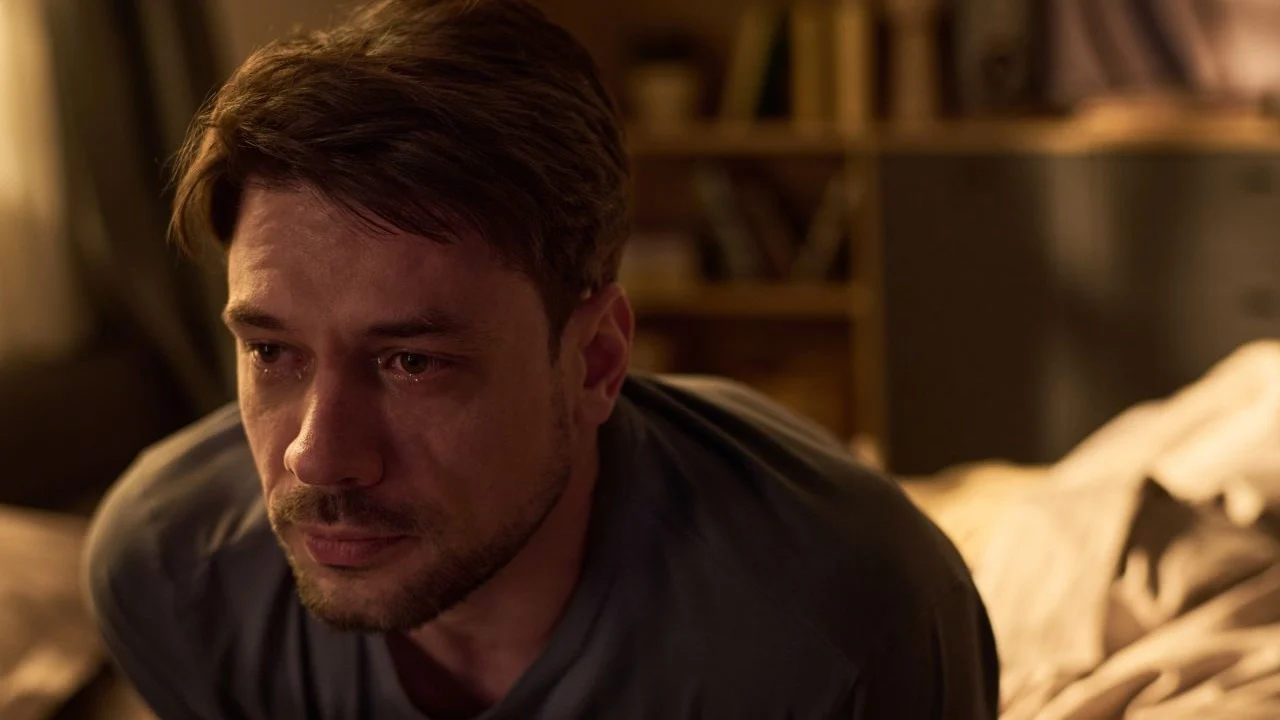
Young adults are finding out that drug use often makes up just half the picture. Experts who work with late teens and twenty-somethings now report seeing drug use coinciding with depression and loneliness.
Roy DuPrez of Back2Basics Outdoor Adventure Recovery in Flagstaff described the pattern. It’s one of several clinics available in Arizona for folks with multiple conditions.
Mental & Behavioral Health Linked
DuPrez argues that disasters like the pandemic disrupt the formative years for young people. Closed schools and canceled activities creates uncertainty about the future.
Head therapist Kaitlyn Kemppainen noted how many of her patients “try to understand a world that looks very different from the one they grew up in.” Unfortunately, drugs and self-medication became ways to manage overwhelming emotions.
But when substance use acts as a coping mechanism for untreated mental health conditions, treating those drugs tends to leave the underlying conditions in place.
Dual Diagnoses Matters
Dual diagnoses describe situations when a substance use disorder appears alongside a mental health condition. The two interact: untreated anxiety can drive drinking or drug use, and heavy use can worsen mental health and disrupt sleep.
Integrated treatment addresses both conditions under one coordinated clinical team. Spreading out treatment to multiple agencies and teams has a poor track record because the untreated condition undermines progress on the other.
One common misconception families have is that addiction reflects poor decisions or a lack of motivation. In DuPrez’s experience, many young adults know the consequences of their behavior but can’t describe their experience.
One client mentioned the shame involved. “I wish my family understood that while I didn’t always behave this way, I felt terrible about myself and my behavior during periods of sobriety.”
Parents should remember that behavior is often a symptom. Anger, withdrawal, dishonesty and isolation can be signs of emotional pain a young person has no language for yet.
Treatment Approaches for Co-Occurring Conditions
Behavioral treatment centers vary widely in how genuinely integrated their dual diagnosis programming is. Some employ psychiatric providers on staff and treat both conditions in one plan. Others treat addiction and refer mental health out.
Comprehensive Treatment for Everyone
Recovery is more than removing drugs. When evaluating mental health treatment facilities, ask whether psychiatric care is delivered onsite, whether the program has an age-specific track and what aftercare looks like.
Our online listings let you search by conditions treated, level of care and location. You can narrow to facilities that treat depression and addiction together.
You can also dial 800-908-4823 (Sponsored) to speak with an expert and explore local options.
Author

Courtney Myers, MS
Read Bio
Courtney Myers has more than 15 years of experience in online writing and editing. Since graduating from N.C. State University with an MS in Technical Communication, she’s helped clients improve their visibility and reach through expert-level content creation. She specializes in addiction recovery and behavioral healthcare topics.
Editor

Peter Lee, PhD
Read Bio
Peter W.Y. Lee is a writer and historian of American history during the Cold War. His primary focus is the relationship between youth and popular culture and its impact on U.S. society during the twentieth century. He has published widely on how the public has used popular culture as a mechanism to address political and social shifts throughout time
Articles About Alcohol & Treatment
Young Adults Carry Lasting Mental Health and Addiction Effects
Young Adults Carry Lasting Mental Health and Addiction Effects Published September 9, 2026 Young adults are finding out that drug use often makes up just half the picture. Experts who work with late teens and twenty-somethings now report seeing drug use coinciding with depression and loneliness. Roy DuPrez of Back2Basics Outdoor Adventure Recovery in Flagstaff…

Research Suggests Childhood Trauma May Alter Gene Activity
Research Suggests Childhood Trauma May Alter Gene Activity Published September 9, 2026 Clinicians have known for a long time that childhood adversity shows up years later as mental and behavioral conditions. A study offers a mechanism among mice that identifies a molecular target that researchers say could eventually be treatable. Specifically, stress in early life…

Ketamine Topped Midazolam in Refractory Bipolar Depression Trial
Ketamine Topped Midazolam in Refractory Bipolar Depression Trial Published September 8, 2026 Individuals whose refractory bipolar depression has already outlasted two or more medication trials have a short list of remaining options. A randomized trial adds one more track that can help. Four infusions of ketamine lowered depression symptom severity more than an active comparator…
Browse Treatment Centers by State
-
 New York
820 River Street Inc Eleanor Young Clinic
134 Franklin Street Albany, New York 12202
Treatment Programs
- Dual Diagnosis
- Drug Rehab
- Adult Program
- +6
-
 Oregon
Avenue Twenty Third Counseling
604 NW 23rd Avenue Portland, Oregon 97210
Treatment Programs
- Dual Diagnosis
- Drug Rehab
- +-1
-
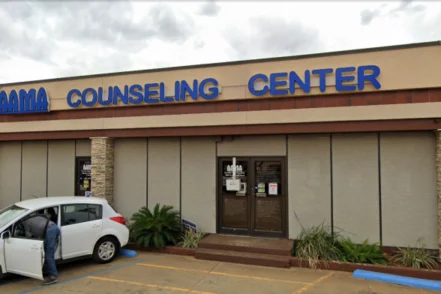 Texas
TexasAAMA – Concilio Hispano Libre
1205 Hillside Road, Laredo, TX 78041
Treatment Programs
- Alcohol Rehab
- Opioid Addiction
- Drug Rehab
- +11
-
 Colorado
Hispanic Counseling Services
118 West 6th Street Leadville, Colorado 80461
Treatment Programs
- Drug Rehab
- +-2