
Ketamine Topped Midazolam in Refractory Bipolar Depression Trial
Published September 8, 2026
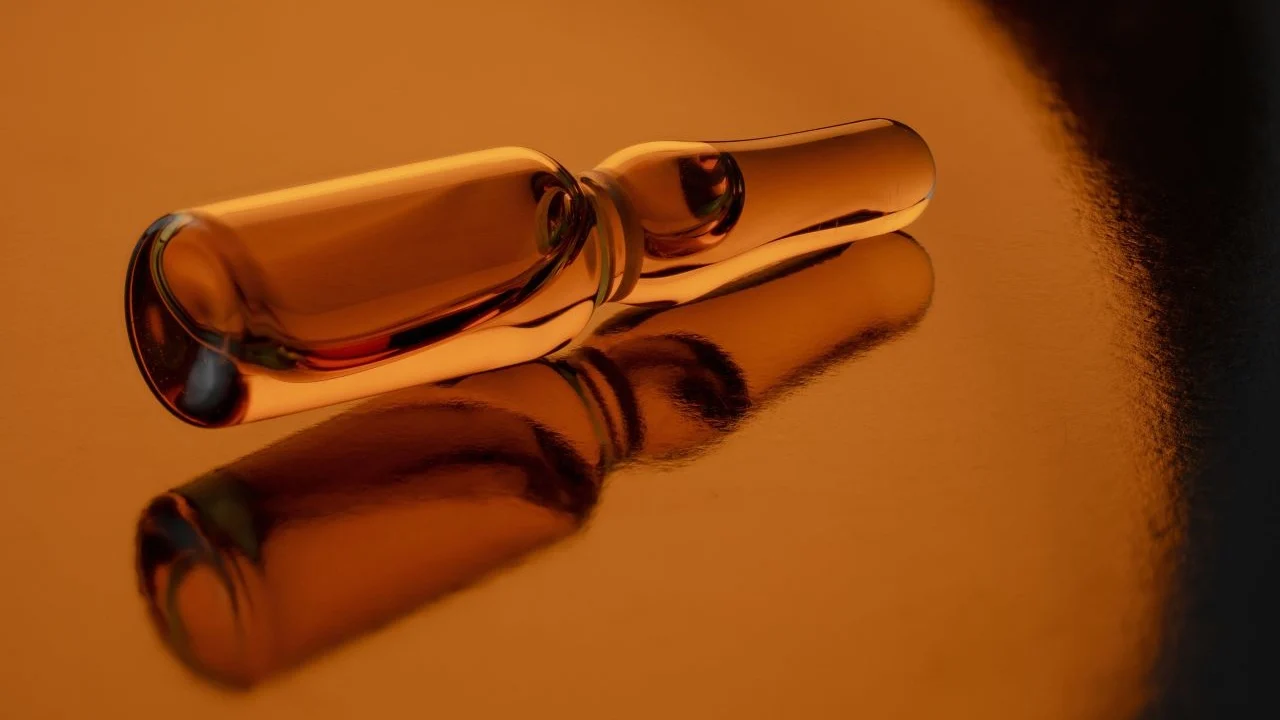
Individuals whose refractory bipolar depression has already outlasted two or more medication trials have a short list of remaining options. A randomized trial adds one more track that can help.
Four infusions of ketamine lowered depression symptom severity more than an active comparator in adults with treatment-resistant bipolar I or II depression. No participant developed mania or psychosis.
That last point is important because the risk of triggering mania is one reason folks with bipolar disorder are often left out of ketamine research altogether.
The Refractory Bipolar Depression Trial
The Ket-BD study enrolled 63 adult outpatients across three sites in Ontario, Canada, between July 2022 and November 2025. Participants were 21 to 65 years old, carried a primary diagnosis of bipolar I or II disorder and had a current moderate-to-severe depressive episode. All had already failed at least two trials of evidence-based medication.
Participants were randomized to receive four flexibly dosed 40-minute infusions over two weeks, either ketamine at 0.5 to 0.75 mg/kg or midazolam at 0.02 to 0.03 mg/kg. Everyone stayed on a stable dose of at least one mood stabilizer or antipsychotic throughout. Of the participants, 55.8% were women and 82.4% were white.
The primary outcome was change in depression symptom severity on the Montgomery-Asberg Depression Rating Scale from baseline to day 14.
Results & Limits
At day 14, mean scores were significantly lower in the ketamine group than the midazolam group by an average of 7.3 points. The confidence interval ran from 12.0-2.5 points and the result reached statistical significance.
Response occurred in 35.3% of the ketamine group compared with 11.8% of the midazolam group. Remission occurred in 17.6% versus 8.8%. The between-group difference held for one week after the final infusion.
Joshua D. Rosenblat of the University Health Network in Toronto led the study. He observed it might be “reasonable to consider ketamine” as a backup option when other treatments for bipolar depression don’t work.
Alan F. Schatzberg of Stanford Medicine wasn’t surprised by the findings and described a clear separation between drug and control. Co-occurring depression re-emerged after treatment stopped, which indicates that the drug had been working.
Rosenblat named the small sample size and the absence of long-term follow-up as the study’s most important limitations.
Dual Diagnosis & Treatment
Bipolar conditions frequently occurs alongside drug use. Treating one condition while ignoring the other leaves both unstable. Integrated care for co-occurring disorders means the mood and the substance use disorders are addressed by one coordinated team rather than in sequence.
Depression that hasn’t responded to multiple medications also drive drug use as a form of self-management. This is another reason for effective options to address refractory bipolar depression.
No cases of mania, hypomania, psychosis or suicide attempts were seen in either group. One case of subthreshold hypomanic symptoms occurred in each arm. The authors reported that acceptability, safety and tolerability were positive overall.
Ketamine doesn’t carry FDA approval for any psychiatric indication. Esketamine, aka Spravato, is approved for treatment-resistant depression in certain circumstances.
Comprehensive Treatment Available
Those looking for care that treats a mood disorder and a substance use disorder together should ask specific questions before committing.
- Does the program have a prescriber who manages mood stabilizers on site?
- Are the mental health and substance use doctors the same team?
- Will treatment continue if a depressive episode doesn’t lift quickly?
Residential and standard outpatient behavioral health all serve different levels of need. The right level depends on symptom severity and how much structure your daily life can support.
Our browsable directory lists mental health, behavioral health and dual diagnosis programs nationwide. It’s completely searchable by location and level of care.
Feel free to also dial 800-908-4823 (Sponsored) to speak with an expert.
Author

Quentin Blount
Read Bio
Quentin brings nearly a decade of experience as a writer, editor, and digital publisher to his role as Content Manager for Rehab.com. He aims to help people better understand their treatment options by creating engaging and informative content that is user-friendly, factually accurate, and optimized for search engine visibility. In his free time, Quentin enjoys the company of his friends, family, and his dog, Coop.
Editor

Peter Lee, PhD
Read Bio
Peter W.Y. Lee is a writer and historian of American history during the Cold War. His primary focus is the relationship between youth and popular culture and its impact on U.S. society during the twentieth century. He has published widely on how the public has used popular culture as a mechanism to address political and social shifts throughout time
Articles About Alcohol & Treatment
Research Suggests Childhood Trauma May Alter Gene Activity
Research Suggests Childhood Trauma May Alter Gene Activity Published September 9, 2026 Clinicians have known for a long time that childhood adversity shows up years later as mental and behavioral conditions. A study offers a mechanism among mice that identifies a molecular target that researchers say could eventually be treatable. Specifically, stress in early life…
Ketamine Topped Midazolam in Refractory Bipolar Depression Trial
Ketamine Topped Midazolam in Refractory Bipolar Depression Trial Published September 8, 2026 Individuals whose refractory bipolar depression has already outlasted two or more medication trials have a short list of remaining options. A randomized trial adds one more track that can help. Four infusions of ketamine lowered depression symptom severity more than an active comparator…

Weighted Blankets Lowered Anxiety 3.6 Points in Pilot Trial
Weighted Blankets Lowered Anxiety 3.6 Points in Pilot Trial Anxiety treatment that doesn’t involve drugs carries extra weight for folks with co-occurring conditions because using meds might lead to an addiction. New research indicates that a weighted blanket lowered anxiety among hospitalized adults when compared to the usual care. The study is the first look…
Browse Treatment Centers by State
-
 Nevada
Kiaya Wellness Las Vegas Ketamine & Holistic Healing Clinic
3090 South Durango Drive, 200E, Las Vegas, NV 89117
Treatment Programs
- Dual Diagnosis
- Drug Rehab
- LGBTQ Friendly Rehab
- +0
-
 Alabama
Southern Ketamine and Wellness
1932 Laurel Road, # 1B, Vestavia Hills, AL 35216
Treatment Programs
- Dual Diagnosis
- Alcohol Rehab
- Opioid Addiction
- +1
-
 Ohio
OhioBrightview Springfield Addiction Treatment Center
201 N Yellow Springs Street Springfield, Ohio 45504
Treatment Programs
- Drug Rehab
- Adult Program
- +-1
-
 Florida
Stewart Marchman Act Behavioral Healthcare Outpatient Bunnell
301 Justice Lane Bunnell, Florida 32110
Treatment Programs
- Alcohol Rehab
- Dual Diagnosis
- Opioid Addiction
- +5