
Ozempic Cuts Depression Risk and May Reduce Substance Use Disorders
Published May 28, 2026
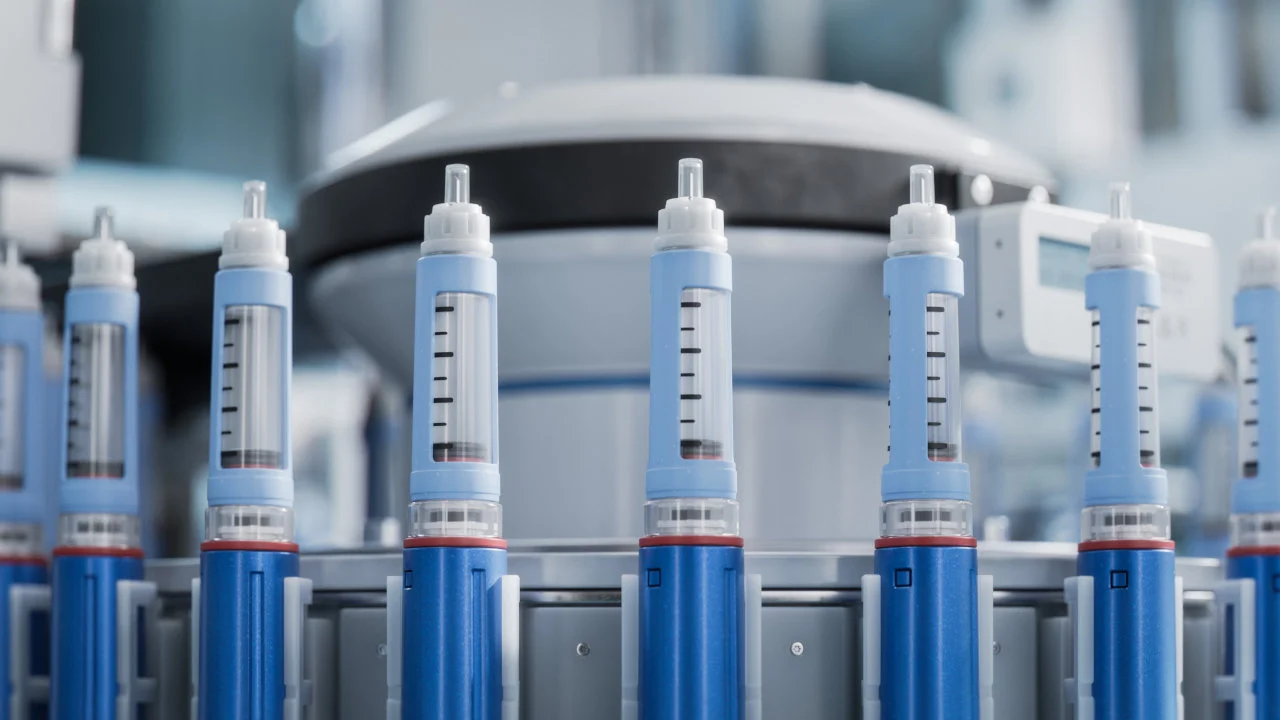
A landmark study finds that semaglutide — the active ingredient in Ozempic and Wegovy — dramatically lowers the risk of depression and substance use disorders. The researchers raise new questions about semaglutide’s potential role in dual diagnosis treatment for people managing both mental health and addiction simultaneously.
The Research Findings
Scientists at the University of Eastern Finland, Karolinska Institutet in Sweden and Griffith University in Australia, examined Swedish health records from 2009 to 2022 and followed nearly 100,000 individuals for 13 years.
They noted that people taking semaglutide were 44% less likely to be treated for depression and 42% less likely to require intensive levels of psychiatric hospital care compared to periods when they were not on the drug.
Rather than comparing drug users to non-users, the scientists compared each participant’s mental health status while taking the drug against their own status while not taking it, while also controlling for individual differences that could skew results.
Dual Diagnosis in the Data
For behavioral health professionals and people seeking comprehensive mental health care, the substance use findings may be the most significant part of the study.
Among individuals diagnosed with a substance use disorder, those taking semaglutide saw a 47% decrease in hospitalizations or work absenteeism related to their condition. Anxiety disorders also dropped by 38% during treatment periods.
This matters deeply for dual diagnosis treatment, when a person experiences both a mental health condition like depression and a substance use disorder at the same time. These co-occurring conditions are extremely common and notoriously difficult to treat in isolation. Addressing only addiction without the underlying depression or anxiety leads to higher relapse rates, and vice versa.
An earlier Swedish study already showed that GLP-1 medications can reduce alcohol use disorder. Professor Mark Taylor of Griffith University noted that the downstream effect on mood was therefore anticipated, explaining that alcohol-related problems often have downstream effects on mood and anxiety.
Semaglutide May Help Mental Health and Addiction
Researchers caution that the study doesn’t yet prove the exact mechanism by which semaglutide improves psychological well-being. Potential pathways include weight loss effects on body image, improved blood sugar regulation reducing stress, decreased alcohol intake and changes in the brain’s neurobiology, especially in the reward centers.
That last point is particularly relevant to addiction medicine. The brain’s reward system appears to be directly influenced by GLP-1 receptor activity. If semaglutide genuinely modulates reward-center function, it could join other neural approaches in behavioral health treatment, especially for people who haven’t responded to existing therapies.
Research Director Markku Lähteenvuo of the University of Eastern Finland noted that the association was quite strong, suggesting more than lifestyle change alone is responsible for these outcomes.
Integrated Treatment Matters
According to SAMHSA, more than 21 million Americans live with co-occurring disorders, yet fewer than half receive any treatment. Even fewer receive integrated care that addresses both conditions together.
When depression goes untreated in someone with alcohol use disorder, drinking or drugs often serve as self-medication, even if these approaches don’t work. When anxiety drives opioid misuse, treating only addictions without the underlying fear and hyperarousal rarely produces lasting recovery.
The new semaglutide findings suggest that pharmacological approaches targeting the brain’s metabolic and reward systems may one day become a valuable component of integrated care models.
Treatment Options for Depression and Addiction Together
If you or someone you love is dealing with co-occurring disorders alongside substance use, residential treatment centers and outpatient behavioral health programs offer integrated care that addresses the full clinical picture. Comprehensive dual diagnosis treatment typically includes:
- Cognitive behavioral therapy (CBT) to address thought patterns driving both mood disorders and substance use
- Dialectical behavior therapy (DBT) for emotional regulation, especially helpful in cases involving trauma or borderline features
- Medication management, including antidepressants, anti-anxiety medications, and addiction-focused pharmacotherapy
- Trauma-informed therapy for those whose substance use is rooted in unresolved PTSD
- Peer support and case management to address environmental factors that affect mental health and recovery
Finding Dual Diagnosis Treatment Near You
If you’re searching for mental health treatment facilities that provide integrated behavioral health care, call 800-908-4823 (Sponsored) to speak with a treatment specialist about comprehensive mental health and addiction care. Or, browse our directory to find residential treatment centers and outpatient options anywhere in the country.
Author

Terri Beth Miller, PhD
Read Bio
Terri Beth received her PhD in English literature from the University of Tennessee Knoxville and is an educator and disability studies scholar. For more than a decade, she has written extensively in the fields of mental health and addiction recovery and fiercely advocates for the destigmatization of mental illness.
Editor

Peter Lee, PhD
Read Bio
Peter W.Y. Lee is a writer and historian of American history during the Cold War. His primary focus is the relationship between youth and popular culture and its impact on U.S. society during the twentieth century. He has published widely on how the public has used popular culture as a mechanism to address political and social shifts throughout time
Articles About Alcohol & Treatment

Oklahoma City Crisis Center Will Offer Detox and Psychiatric Care
Oklahoma City Crisis Center Will Offer Detox and Psychiatric Care Published August 13, 2026 The clinically significant detail in the Oklahoma City crisis center that broke ground on August 10 is the programs it houses rather than how many beds it holds. Plans list stabilization detoxification as a function inside the facility, alongside psychiatric crisis…

Eli Lilly Adds Psychedelic Mental Health Treatments in $2.8B Deal
Eli Lilly Adds Psychedelic Mental Health Treatments in $2.8B Deal Published August 13, 2026 Large pharmaceutical companies are moving real money into psychedelic mental health treatment, and the biggest commitment yet was recorded this month. Eli Lilly is acquiring AtaiBeckley and its psychedelic pipeline for $2.8 billion upfront. This is the third recent big-pharma bet…

Provider Stigma May Keep People From Opioid Use Treatment
Provider Stigma May Keep People From Opioid Use Treatment Published August 12, 2026 For anyone seeking treatment for both mental health conditions and opioid addictions, the quality of care depends partly on one factor that rarely appears in a facility’s brochure: what the staff actually believe about addiction. A new University of Georgia study suggests…
Browse Treatment Centers by State
-
 Illinois
Endeavor Health Swedish Hospital
5140 North California Avenue, Chicago, IL 60625
Treatment Programs
- Dual Diagnosis
- Young Adult Rehab
- Adult Program
- +2
-
 Texas
TexasClean Investments Austin
1212 East Anderson Lane, Suite 300 Austin, Texas 78752
Treatment Programs
- Alcohol Rehab
- Opioid Addiction
- Drug Rehab
- +4
-
 Washington
A Healthy Risk Counseling Center
315 West Marcy Avenue Montesano, Washington 98563
Treatment Programs
- Drug Rehab
- +-2
-
 South Carolina
Cherokee County Commission on Alcohol and Drug Abuse
201 West Montgomery Street Gaffney, South Carolina 29341
Treatment Programs
- Alcohol Rehab
- Drug Rehab
- +-1