
Ohio County Allocates $12.6M for Mental Health Treatment Facilities
Published June 19, 2026
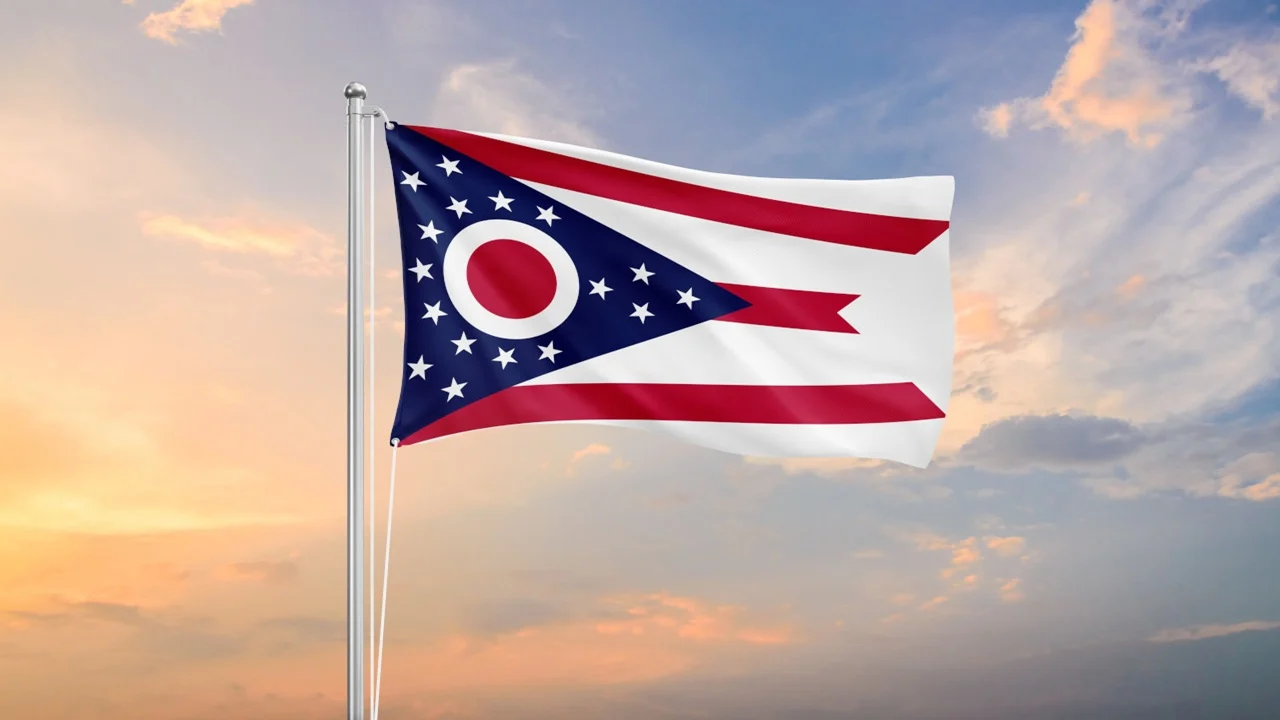
In northwestern Ohio between Toledo and Findlay, Wood County officials have approved $12.6 million for funding local mental health treatment facilities and addiction recovery programs in 2027. The Wood County Alcohol, Drug Addiction and Mental Health Services Board finalized the allocation at its May meeting to split funding across nine agencies that serve the county’s roughly 130,000 residents.
Ohio already features many services to assist those with behavioral and mental health conditions. The Buckeye State offers inpatient and outpatient centers along with extended care for those who need extra support. This new project promises to expand access to those most vulnerable or, like first responders, may be left behind.
Breaking Down the $12.6 Million
Three agencies absorb nearly two-thirds of the budget. Children’s Resource Center received the largest share at $3,078,343 to cover fee-for-service care, a residential unit, and after-hours crisis response. Harbor followed closely at $2,788,407, spread across nine separate lines including housing assistance, community residential care, and transition-to-independence programs. Unison received $2,349,011 for hospital liaison work and its crisis stabilization center. Combined, these three mental health treatment facilities account for roughly 65% of all System of Care funding.
The remaining 35% is distributed among the Wood County Educational Services Center ($1,263,490 for prevention programming), the board’s own operations ($1,088,653), NAMI Wood County ($230,349), The Cocoon ($426,200), OhioGuidestone ($253,829), Zepf Center ($140,000), and H.O.P.E. in Fostoria ($13,755).
The Money’s Origins
Against $12,621,872 in projected expenditures, the board anticipates only $11,288,109 in revenue. This means it’ll depend on $1.33 million from its reserve fund balance to close the gap. The bulk of that revenue comes from a local property tax levy. Board officials flagged this as a vulnerability, since a proposed statewide ban on property taxes could appear on an upcoming Ohio ballot.
State grants add $1.88 million, with the largest portions earmarked for mental health block grants ($1,119,881) and recovery support ($233,837). Indeed, experts note that people often try to self-medicate to address their mental health conditions, but this approach rarely works. Federal funding contributes another $585,697, including allocations for substance use disorder prevention and targeted violence prevention block grants.
Treating Dual Diagnosis and Co-Occurring Disorders
Several of the largest funding lines reflect an integrated, dual diagnosis approach, treating mental health conditions and substance use disorders together rather than as separate issues. Co-occurring disorders, such as depression paired with addiction, often respond best when one care team addresses both simultaneously. Unison’s crisis stabilization center and Harbor’s individual placement and support services are structured around this model.
The budget funds a range of evidence-based services rather than a single treatment type. Given the shortage of providers in Ohio, mobile crisis response, interventions and hospital liaison work are urgently needed to address acute needs. In addition, residential units, transitional housing and semi-independent living support long term recovery.
NAMI Wood County’s $230,349 allocation funds mental health and crisis training alongside family support groups. This adds an education layer alongside clinical care. Executive Director Amanda Kern said a late $15,000 increase to NAMI’s budget, after the agency lost a staff member, would “make sure that it keeps NAMI whole.”
Comprehensive Treatment in Beyond Wood County
For residents of Wood County and the rest of the state searching for mental health treatment facilities, this FY27 budget represents the backbone of local care. Families managing co-occurring disorders may have the best results contacting agencies offering integrated treatment programs for single coordinated plans rather than through separate referrals.
Anyone in the rest of the country can also find residential treatment facilities that treat depression and addiction together. Simply look through our directory or call [NUMBER] for mental health and addiction treatment guidance.
Author

Terri Beth Miller, PhD
Read Bio
Terri Beth received her PhD in English literature from the University of Tennessee Knoxville and is an educator and disability studies scholar. For more than a decade, she has written extensively in the fields of mental health and addiction recovery and fiercely advocates for the destigmatization of mental illness.
Editor

Peter Lee, PhD
Read Bio
Peter W.Y. Lee is a writer and historian of American history during the Cold War. His primary focus is the relationship between youth and popular culture and its impact on U.S. society during the twentieth century. He has published widely on how the public has used popular culture as a mechanism to address political and social shifts throughout time
Articles About Alcohol & Treatment

Kentucky Invests $17M in Dual Diagnosis Treatment Services
Kentucky Invests $17M in Dual Diagnosis Treatment Services Published September 24, 2025 Kentucky is spending nearly $17 million in new federal grants toward dual diagnosis treatment and related behavioral health services. The boost in spending supplements services that Kentucky already offers residents from all backgrounds to improve their mental and behavioral health. The awards from…

Ohio Resource Fair Connects Community to Mental Health Care
Ohio Resource Fair Connects Community to Mental Health Care Published September 24, 2026 Mental health treatment officials and family wellness groups shared one park in Oak Hill on September 4 for an event built around making help visible. The Jackson County Health Department’s Harm Reduction Team organized the gathering at Central Memorial Park. The turnout…

Fort Lauderdale Plan Puts Mental Health Treatment in Focus
Fort Lauderdale Plan Puts Mental Health Treatment in Focus Published September 23, 2026 Fort Lauderdale officials are openly questioning whether the city’s approach to homelessness is working. Even though Florida offers an abundance of programs for folks who lack basic needs, the debate places mental health treatment facilities and addiction programs into the spotlight. Behind…
Browse Treatment Centers by State
-
 Ohio
OhioOhio Intervention Center Vandalia
282 James Bohanan Drive, Suite B Vandalia, Ohio 45377
Treatment Programs
- Drug Rehab
- LGBTQ Friendly Rehab
- Military Rehab
- +3
-
 New York
Access Supports for Living Middletown
15 Fortune Rd W Middletown, New York 10941
Treatment Programs
- Dual Diagnosis
- Adult Program
- Senior Rehab
- +2
-
 Oregon
Fora Health
10230 SouthEast Cherry Blossom Drive Portland, Oregon 97216
Treatment Programs
- Adult Program
- Alcohol Rehab
- Drug Rehab
- +1
-
 Wisconsin
Journey Mental Health Center Yahara House
802 East Gorham Street Madison, Wisconsin 53703
Treatment Programs
- Dual Diagnosis
- Adult Program
- Senior Rehab
- +2