
18.5 Million Adults Have Co-Occurring Disorders, SAMHSA Finds
August 20, 2026

If you have been told you need to treat your depression before anyone will treat your drinking, or the reverse, new federal data suggest how common your situation actually is.
Co-occurring disorders affect 18.5 million American adults, and the number is a reminder that mental health conditions and substance use disorders show up together far more often than they show up alone.
The figures come from the 2025 National Survey on Drug Use and Health, released July 27 by the Substance Abuse and Mental Health Services Administration.
NSDUH is the country’s primary source of self-reported data on mental health conditions, substance use, treatment, and recovery status.
Mental Health and Addiction Connection
The overlap runs in both directions, which is the part most readers find useful. Among the 54.6 million adults who had any mental illness in the past year, 33.9 percent, or 18.5 million people, also had a substance use disorder.
Among the 18.2 million adults with serious mental illness, the share was higher at 42.9 percent, or 7.8 million people.
Looking from the other side, of the 42.7 million adults with a past year substance use disorder, 43.3 percent had any mental illness and 18.3 percent had serious mental illness.
Read those together and a pattern emerges. Roughly a third of adults with a mental health condition also meet criteria for a substance use disorder, and the more severe the mental illness, the tighter the overlap becomes.
For anyone comparing behavioral treatment centers, that is a practical argument for asking whether a program can treat both conditions rather than one.
Understanding Co-Occurring Disorders and Dual Diagnosis
Co-occurring disorders, often called dual diagnosis, means a person has both a mental health condition and a substance use disorder at once. Depression, anxiety, PTSD, and bipolar disorder are among the most common mental health halves of that pairing.
Integrated treatment matters because the two conditions interact. Untreated anxiety can drive a return to substance use, and heavy substance use can deepen depressive symptoms, so treating one while ignoring the other tends to leave the person exposed.
Programs that address co-occurring disorders together, with one clinical team and one plan, are the model most behavioral health authorities point toward.
What the Data Show About Younger Age Groups
SAMHSA reported declines across several indicators. For youth aged 12 to 17 and young adults aged 18 to 25, all key indicators in the annual report declined, including major depressive episode and co-occurring mental illness and substance use disorder.
Some context on the broader survey. Among adults, 54.6 million had any mental illness in the past year and 18.2 million had serious mental illness. Among adolescents aged 12 to 17, 15.1 percent had a past year major depressive episode.
SAMHSA also noted that a substantial gap persists in treatment access and receipt, which is the finding that matters most if you are the one searching.
Treatment Options for Mental Health and Addiction
Integrated care is delivered at several intensities, and the right level depends on symptom severity, safety, and what support exists at home.
Residential treatment centers provide 24-hour structure and are generally appropriate when symptoms are severe, when someone is unsafe at home, or when previous outpatient attempts have not held.
Partial hospitalization and intensive outpatient programs offer substantial weekly clinical hours while a person lives at home. Standard outpatient care suits people who are stable and need ongoing therapy and medication management.
Medication management often runs alongside therapy in dual diagnosis treatment. That can include antidepressants or mood stabilizers for the mental health condition and, where relevant, medication for opioid or alcohol use disorder.
A program treating both conditions should be able to explain how it coordinates the two.
Finding Comprehensive Treatment
Questions worth asking any facility you are considering:
- Do you treat mental health conditions and substance use disorders in the same program, with the same team, or do you refer out for one of them?
- Which specific mental health conditions do your clinicians treat, and who provides psychiatric medication management?
- What evidence-based therapies do you offer, and how often would I receive them?
- What levels of care do you provide, and what happens when I step down from the most intensive one?
- Do you accept my insurance, including for the mental health side of care?
TCD.com lists mental health treatment facilities, dual diagnosis programs, and residential treatment centers nationwide, searchable by condition treated, level of care, and insurance accepted. Call 800-908-4823 (Sponsored) to speak with a treatment specialist today.
Author

Courtney Myers, MS
Read Bio
Courtney Myers has more than 15 years of experience in online writing and editing. Since graduating from N.C. State University with an MS in Technical Communication, she’s helped clients improve their visibility and reach through expert-level content creation. She specializes in addiction recovery and behavioral healthcare topics.
Editor

Eric Owens
Read Bio
Eric Owens has been a writer and editor for various businesses as well as his own successful websites. He has extensive experience creating content in the health and wellness space and the sustainability space. He holds a bachelor degree in Philosophy which helped him with presenting complex information in a simple way that all audiences can understand.
Articles About Alcohol & Treatment

A Guide to Veterans’ Drug Rehab & Addiction Treatment
A Guide to Veterans’ Drug Rehab & Addiction Treatment Addiction is no respecter of persons. It’s an enemy that can strike anyone, anywhere, and at any time. It does not discriminate based on age, gender identity, sexual orientation, color, or creed. It is an equal opportunity adversary. In fact, a 2020 report from the Centers…

How Your Environment Impacts Recovery
How Your Environment Impacts Recovery Learning how your environment impacts recovery is an important lesson to learn. In 2010, I made the terrible decision to get behind the wheel after drinking too many glasses of wine. A couple of miles away from my apartment, I crashed into another car. I seriously injured two of its…

Do the Foods You Eat in Early Recovery Matter?
Do the Foods You Eat in Early Recovery Matter? You may hear folks in recovery with a bit of time under their belt tell you not to worry about what foods you eat in early recovery. In fact, some sobriety literature even encourages carrying around bags of candy to replace the sugar that you may…
Browse Treatment Centers by State
Top National Treatment Centers
-
 Florida
1 Solution Detox – CLOSED
2901 Broadway Ave West Palm Beach, Florida 33407
Treatment Programs
- Alcohol Rehab
- Opioid Addiction
- Drug Rehab
- +0
-
 California
10 Acre Ranch
5953 Grand Avenue Riverside, California 92504
Treatment Programs
- Alcohol Rehab
- Dual Diagnosis
- Opioid Addiction
- +4
-
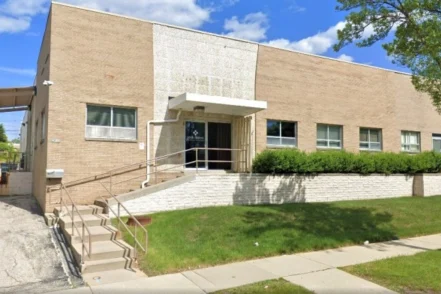 Wisconsin
10th Street Comprehensive Treatment Center
4800 South 10th Street Milwaukee, Wisconsin 53221
Treatment Programs
- Alcohol Rehab
- Opioid Addiction
- Drug Rehab
- +4
-
 Oklahoma
GRAND Addiction Recovery Center
6333 East Skelly Drive, Tulsa, OK 74135
Treatment Programs
- Alcohol Rehab
- Dual Diagnosis
- Opioid Addiction
- +4