
Gen Z Men Seek Peer Support for Compulsive Porn Use
Published July 29, 2026

A growing number of young men say compulsive pornography use affects their relationships, mental health, and sense of identity. One study notes they’re increasingly turning to online peer communities and men’s mental health programs for support. For treatment providers and families, the trend highlights how often compulsive behaviors overlap with anxiety, depression, and unresolved trauma.
Behavior Rooted in Early Exposure
Sources interviewed described first encountering pornography as young as 11 years old, often through smartphones and social media rather than deliberate searching. One young man described how a habit that began in childhood grew into a pattern of using porn multiple times a day, describing online and digital porn as an “emotional crutch” he used to avoid emotions and feelings he didn’t fully recognize.
Anthony Preischel, a New York-based sex therapist, observed that unrestricted, anonymous internet access has made problematic porn use more common among Gen Z than previous generations. Teenagers’ capacity for impulse control and decision-making continues developing into their mid-20s.
Mental Health and Addictions
Several of the men interviewed connected their porn use to underlying anxiety, depression, or past trauma rather than describing it as an isolated habit. One man described how the addiction began as a way of managing trauma and mental health issues following childhood sexual abuse, explaining that watching porn helped him avoid thinking about those experiences.
This pattern is common in compulsive behaviors more broadly. A behavior that begins as a way to manage distress, like scrolling through social media and encountering images of sex and nudity, can become its own source of shame and dysfunction over time.
While the DSM-5 doesn’t currently recognize compulsive pornography use as a distinct diagnosis, mental health providers often treat it as part of a larger picture that can include anxiety, depression, or other co-occurring conditions.
Dual Diagnosis & Pornography
Dual diagnosis, also called co-occurring disorders, refers to the presence of both a mental health condition and a behavioral or substance use pattern that requires treatment at the same time. When compulsive porn use or other additions exist alongside depression or trauma-related symptoms, treating only one piece of the picture is less likely to lead to lasting change.
Integrated treatment that addresses both the compulsive behavior and the underlying mental health condition tends to produce more durable outcomes than addressing either issue on its own.
Young Men Find Support
Reddit communities have a wide range of subgroups for mental health. Those focused on quitting porn have grown to 1 million+ members and offer accountability and shared experience for people who may feel too ashamed to seek help elsewhere.
Brad Salzman, a certified sex addiction therapist, pointed out the value of these peer communities as members realize they’re not alone and hear strategies that have worked for others. Informal sharing can take place in innocuous places, even barbershops.
Still, peer communities are not a substitute for professional treatment when compulsive behavior is tied to trauma, depression, or anxiety. Evidence-based therapies such as cognitive behavioral therapy (CBT) and trauma-focused therapy can help address the underlying drivers of compulsive behavior.
Structured inpatient or outpatient programs can support people who also need medication management for co-occurring conditions.
Comprehensive Treatment for Any Addiction
Behavioral health treatment centers increasingly offer programs that address compulsive sexual behavior alongside depression and trauma history rather than treating the behavior in isolation.
Get started today by dialing 800-908-4823 (Sponsored) and speak with an expert about local resources in your neighborhood. You can also search our directory to find treatment centers anywhere in the country.
Author

Courtney Myers, MS
Read Bio
Courtney Myers has more than 15 years of experience in online writing and editing. Since graduating from N.C. State University with an MS in Technical Communication, she’s helped clients improve their visibility and reach through expert-level content creation. She specializes in addiction recovery and behavioral healthcare topics.
Editor

Peter Lee, PhD
Read Bio
Peter W.Y. Lee is a writer and historian of American history during the Cold War. His primary focus is the relationship between youth and popular culture and its impact on U.S. society during the twentieth century. He has published widely on how the public has used popular culture as a mechanism to address political and social shifts throughout time
Articles About Alcohol & Treatment

Gen Z Ties Mental Health Struggles to Childhood Trauma
Gen Z Ties Mental Health Struggles to Childhood Trauma Published July 29, 2026 A growing number of Gen Z adults are naming their parents as a source of stress and other mental health conditions. Mental health professionals say that connection is often worth taking seriously rather than dismissing as generational finger-pointing. Survey Findings A recent…
Gen Z Men Seek Peer Support for Compulsive Porn Use
Gen Z Men Seek Peer Support for Compulsive Porn Use Published July 29, 2026 A growing number of young men say compulsive pornography use affects their relationships, mental health, and sense of identity. One study notes they’re increasingly turning to online peer communities and men’s mental health programs for support. For treatment providers and families,…

Therapists Warn AI Chatbots Cannot Replace Human Therapy
Therapists Warn AI Chatbots Cannot Replace Human Therapy Published July 28, 2026 Therapy and companionship became the single most common use of generative AI in 2026, according to new research. Behavioral health professionals now warn that the shift comes with real risk for people who need more than a chatbot can provide. Sarah Trover, vice…
Browse Treatment Centers by State
-
 New York
820 Supportive Living
820 River Street Troy, New York 12180
Treatment Programs
- Alcohol Rehab
- Opioid Addiction
- Drug Rehab
- +3
-
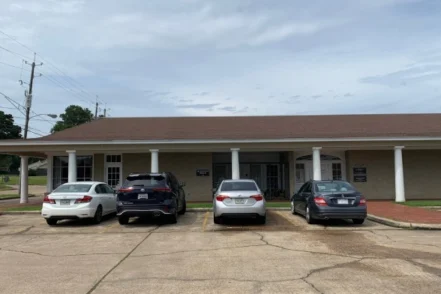 Louisiana
Addiction Recovery Center Shreveport
2520 West Bert Kouns Industrial Loop, Suite 100 Shreveport, Louisiana 71118
Treatment Programs
- Alcohol Rehab
- Drug Rehab
- Opioid Addiction
- +0
-
 South Carolina
Family First Support Center Dillon
411 West Hampton Street Dillon, South Carolina 29536
Treatment Programs
- Dual Diagnosis
- Young Adult Rehab
- Adult Program
- +3
-
 Pennsylvania
Genesis House
800 West 4th Street Williamsport, Pennsylvania 17701
Treatment Programs
- +-3