
Adults 45 to 65 Less Likely to Receive Mental Health Treatment
Published August 11, 2026
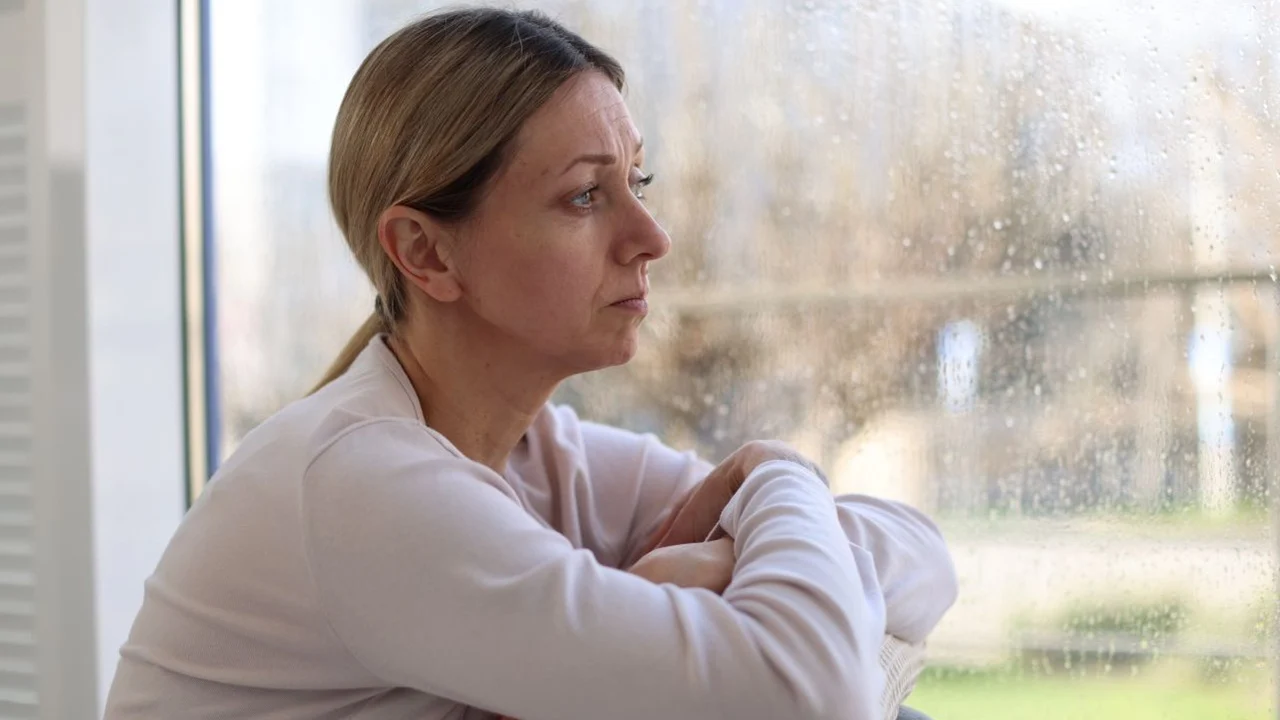
Adults aged 45 to 65 were among the groups least likely to receive treatment in new national data. Keep the results in mind when comparing mental health treatment facilities for a parent, a spouse, or yourself in midlife.
Middle age is usually described as the stable stretch of adult life before becoming a senior. But in this research, midlife looks closer to a blind spot.
The Age Pattern
The study, led by Dr. Mark Edlund of RTI International, used structured clinical interviews administered by trained clinicians rather than self-report questionnaires. Interviewers assessed 4,764 adults aged 18 to 65 drawn from a household sample of the U.S. population from 2020 to 2022.
Alongside the widely reported overall figures, that 61% of adults with a past-year psychiatric disorder received some treatment and 34% received care meeting a minimum adequacy standard, the researchers examined the groups who fell short. Disparities showed up for non-Hispanic Black and Hispanic adults, for men, and for adults aged 45 to 65.
The age finding received the least attention of the three but is arguably the most actionable for families. Midlife adults are frequently the folks who arrange care for everyone else in the household while managing an untreated condition themselves.
Severity Predicted Treatment
The research team also found that greater symptom severity linked to higher rates of treatment.
To be clear, that association doesn’t establish that severity causes people to seek care. The study didn’t answer that question. But it’s consistent with a system that engages once a condition has become difficult to ignore rather than when it first becomes treatable.
For a 52-year-old caregiver managing depression while holding a job and running a household, that pattern has a practical consequence. Clinicians and patients often read “functioning” as evidence that treatment isn’t needed yet.
It also shapes what adequate care means in practice. Someone who reaches treatment only after symptoms become severe generally needs a longer and more intensive course than someone who arrives earlier, which makes the adequacy gap and the access gap harder to separate than they first appear.
Some Limitations
Two limits stand out.
The study enrolled adults up to age 65 and no further, so it says nothing about older adults, a group with its own well-documented treatment barriers. Anyone reading this as a story about aging should stop at 65.
The study also had a low response rate, reported at 3.7%. Clinical interviews are expensive and burdensome to complete, and low participation raises the possibility that the people who agreed differ systematically from those who didn’t. The clinician-administered method is a genuine strength of this research, but the response rate is a genuine caution about the precision of the estimates.
Co-Occurring Conditions in Midlife
Substance use disorders were within the study’s scope by design, though the treatment findings summarized here concern psychiatric disorders specifically.
The midlife pattern deserves attention for co-occurring disorders in particular, meaning a mental health condition and a substance use disorder present at the same time. By midlife, a co-occurring condition has often lingered for years and folks assume it’s just the norm rather than a disorder. Alcohol use that’s been part of someone’s routine for two decades especially reads as a habit rather than a diagnosis to the person and often to the clinician.
Behavioral treatment centers that screen for both conditions at intake are positioned to catch this. Programs that treat one condition and refer the other out tend to lose the second one entirely.
Locating Mental Health Treatment Facilities
Anyone evaluating mental health treatment facilities for themselves or family members in midlife should keep these questions in mind:
- Does the program screen for both mental health and substance use conditions at intake?
- Does it use standardized symptom measures to track progress?
- What does a full course of treatment look like in sessions and in weeks?
- What happens if someone doesn’t improve on the initial plan?
- Does the program work with your insurance or Medicaid, and what happens if you need a longer course of care?
- Are evening or weekend appointments available for people who work?
To find suitable treatment centers, browse our directory for mental health, behavioral health, and dual diagnosis treatment centers nationwide.
You can also call our helpline for free and confidential information with an expert at 800-908-4823 (Sponsored) . Remember, anyone in crisis can call or text 988.
Author

Eric Owens
Read Bio
Eric Owens has been a writer and editor for various businesses as well as his own successful websites. He has extensive experience creating content in the health and wellness space and the sustainability space. He holds a bachelor degree in Philosophy which helped him with presenting complex information in a simple way that all audiences can understand.
Editor

Peter Lee, PhD
Read Bio
Peter W.Y. Lee is a writer and historian of American history during the Cold War. His primary focus is the relationship between youth and popular culture and its impact on U.S. society during the twentieth century. He has published widely on how the public has used popular culture as a mechanism to address political and social shifts throughout time
Articles About Alcohol & Treatment

Ketamine May Ease Suicidal Thinking in Dual Diagnosis Care
Ketamine May Ease Suicidal Thinking in Dual Diagnosis Care Published August 12, 2026 Ketamine can ease suicidal thinking within hours, far faster than conventional antidepressants, and researchers still can’t fully explain the mechanism. A new randomized trial adds a piece to that puzzle. Ketamine’s speed makes the drug relevant to dual diagnosis treatment, especially as…
Adults 45 to 65 Less Likely to Receive Mental Health Treatment
Adults 45 to 65 Less Likely to Receive Mental Health Treatment Published August 11, 2026 Adults aged 45 to 65 were among the groups least likely to receive treatment in new national data. Keep the results in mind when comparing mental health treatment facilities for a parent, a spouse, or yourself in midlife. Middle age…

Wyoming Suicide Rate Runs About Double the US Average
Wyoming Suicide Rate Runs About Double the US Average Published August 11, 2026 Wyoming has one of the highest suicide rates in the country, and the shortage of mental health treatment facilities across a state that size is part of why. A report puts the state’s rate at roughly double the national figure, returning national…
Browse Treatment Centers by State
-
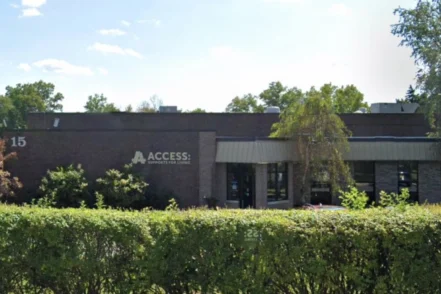 New York
Access Supports for Living Middletown
15 Fortune Rd W Middletown, New York 10941
Treatment Programs
- Dual Diagnosis
- Adult Program
- Senior Rehab
- +2
-
 Massachusetts
Beth Israel Lahey Health Behavioral Services — Danvers Treatment Center
111 Middleton Road Danvers, Massachusetts 01923
Treatment Programs
- Drug Rehab
- Young Adult Rehab
- Adult Program
- +2
-
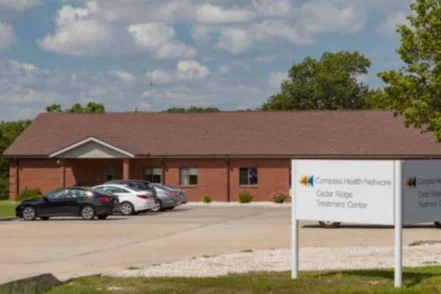 Missouri
Cedar Recovery Center Linn Creek
1091 Midway Drive Linn Creek, Missouri 65052
Treatment Programs
- Drug Rehab
- +-2
-
 Connecticut
MCCA Midwestern Connecticut Council on Alcoholism Bridgeport
140 John Street Bridgeport, Connecticut 06604
Treatment Programs
- Alcohol Rehab
- Dual Diagnosis
- Opioid Addiction
- +4