
About Sea Mar Tacoma Adult Inpatient Treatment Center
Sea Mar Tacoma Adult Treatment Center is a residential treatment center in Tacoma, Washington. Immediate access to mental health, psychiatric and medical care is part of their program. You get care through Sea Mar’s medical clinic and medical center.
It treats adults with a substance use disorder or alcohol dependence, including co-occurring mental health disorders, and it’s multicultural and bilingual. Plus, the team helps people arrange aftercare, so there’s something lined up for after the program.
The 30-Day Program in Tacoma
Treatment focuses on stabilization and building recovery skills. You’ll get counseling one-on-one and in groups, plus cognitive behavioral therapy, dialectical behavioral therapy and motivational interviewing.
Meals and sleeping accommodations are part of the stay, and there are nutrition classes. So you don’t have to figure out food for those 30 days. Support staff are on site around the clock, seven days a week.
Sea Mar also offers 12-step meetings, and the center has 40 beds, a state license and accreditation from The Joint Commission.
Medicaid is accepted, and sliding fee scale discounts are available for patients who qualify, set by household size and annual income. Sea Mar has been providing chemical dependency services in Washington since 1994.
Addiction Treatment Programs

Alcohol Rehab
If you’re looking to break free of dependence on alcohol, a high-quality alcohol rehab in Washington can help. These treatment programs offer detox, inpatient treatment, and outpatient care. You may receive individual, group, and family counseling, peer support, and classes in essential life skills.

Dual Diagnosis
Care for co-occurring conditions runs alongside addiction treatment, in a program that works in both English and Spanish and serves a multicultural group.

Opioid Addiction
A high-quality rehab in Washington helps people gain the skills they need to overcome opioid addiction and maintain long-term sobriety. The rehab program may use multiple approaches, including nutrition, psychology, holistic methods, and support groups. These tools help you build a substance-free lifestyle and move into long-term recovery.

Adult Program
Adults are who this program is for, with a 30-day stay covering stabilization and the recovery skills that come with it.

Men's Rehab
Men’s rehabs in Washington address a wide range of substance use issues while also helping clients with gender-specific issues. These treatment programs offer detox, inpatient treatment, and outpatient care tailored to the unique needs and challenges men face, which may include questions about career, fatherhood, family relationships, emotional vulnerability, and more.

Women's Rehab
A women’s rehab in Washington helps clients build same-gender friendships, overcome substance use, and learn new life skills. These treatment programs offer detox, inpatient treatment, and outpatient care tailored to the unique needs and challenges of women. They generally also include life skills training tailored to the client’s needs.

Young Adult Rehab
Young adult rehab programs in Washington can help young people make healthier life choices and avoid common mistakes. These treatment programs offer detox, inpatient treatment, and outpatient care tailored to the unique needs and challenges of young adults.

Aftercare
12-Step Program
Insurance Coverage

Medicaid
There are many ways to pay for rehab in Washington, including using Medicaid if you qualify. You can find treatment centers that accept Medicaid offering multiple levels of care, including detox, inpatient, and outpatient. You may pay little or nothing out-of-pocket.

Self-pay options
In Washington, you can pay for rehab in many ways, including self-pay. With self-pay, also known as private pay, you write a check, use a medical loan, or electronically transfer money to the center. Check on the payment structure, which may vary depending on the level of care.

Financial aid
Trying to see if you qualify for financial aid programs can be a great way to pay for rehab in Washington. Getting a scholarship or grant can help you pay for any level of treatment, from detox to inpatient to outpatient care.

Medicare
How do you pay for rehab in Washington? If you have Medicare, consider using it to pay for some or all of the costs of treatment. Medicare plans may vary, so be sure to find out coverage details and what copayments or deductibles you might be responsible for.

Private insurance
How do you pay for rehab in Washington? A good option is private insurance. Be sure to contact your insurer to get coverage details, including what centers are in-network with your plan and what out-of-pocket costs you may be responsible for.

Sliding scale payment assistance
Sliding scale discounts are available for patients who qualify, and the amount is set by household size and yearly income.
Levels of Care
- 1
Inpatient Rehab
The residential track runs 30 days and is built for adults who need stabilization and recovery skills around substance use and alcohol dependence.
- 2
Aftercare Support
Staff here help people arrange aftercare, so the support that follows the residential stay is all lined up for them.
- 3
Sober Living Homes
Sober living in Washington helps clients maintain long-term recovery by providing essential support after treatment ends. Sober living may provide access to ongoing counseling, additional life-skills training, peer support, and recovery support groups.
Therapies

Cognitive Behavior Therapy
Not everything we think is true or helpful. Cognitive behavioral therapy in Washington teaches you to challenge distorted thinking so you can see things more clearly and choose healthier responses. Learning which thought disortions you are most susceptible to can help you challenge unhelpful thoughts, create better interpretations of situations, and choose healthier responses.

Dialectical Behavior Therapy
People want to improve their situation but don’t always know how. Dialectical behavioral therapy in Washington teaches you healthy coping mechanisms and improves your confidence so you can build a better life. Learning to develop a healthier mindset through stress management skills gives you the abilithy to create better circumstances in your life, and choose healthier responses to challenges.

Experiential Therapy
In Washington, experiential therapy helps you express your emotions in non-traditional ways. This makes it much easier to reach long-term recovery. During treatment, you may take part in art projects, musical expression, or physical challenges like an obstacle course. These allow you to process emotions in a non-traditional way.

Family Therapy
During family therapy in Washington, clients and their loved ones can address dysfunctional relationships, resentments, and conflicts in order to create healthier relationships that support the client’s recovery. Family therapy can mean addressing uncomfortable and challenging issues, but having a professional therapist facilitating the sessions makes it easier for everyone to share honestly and improve their relationships.

Group Therapy
During group therapy in Washington, each client has a chance to share their unique experiences and feelings about the discussion topic. This creates accountability and support. Some of the topics covered in group therapy include overcoming shame and guilt, improving communication, developing healthy coping skills, and building a support network.

Individual Therapy
You’re not alone as you work through addiction in Washington. Individual therapy gives you a professional who’s on your side to help you build a new life. Individual therapy sessions generally last 60 minutes and may include discussing a specific issue, education about specific topics, or developing life skills.

Recreational Therapy
Recreational therapy in Washington involves activities that allow you to work with others, relax in nature, and learn problem-solving skills. By participating in guided physical activities, you can learn to step out of your comfort zone, take healthy risks, and rely on others to support you.

Trauma Therapy
During trauma-informed therapy in Washington, you’ll be given the tools you need to manage your emotions and understand what happened in a healthier way. Trauma-informed therapy is a normal part of evidence-based treatment programs and may be a part of inpatient treatment, outpatient care, or both. Methods include sharing of experiences, peer support, mindfulness practices, and more.
Motivational Interviewing
Accreditations


Location
Contact Sea Mar Tacoma Adult Inpatient Treatment Center


 Sponsored
Treatmentcentersdirectory.com regularly reviews this listing for accuracy but changes may occur between updates. For the most up-to-date information, please contact Sea Mar Tacoma Adult Inpatient Treatment Center.
Top Drug Rehab Centers in Washington
-
 Washington
Royal Life Centers at Puget Sound
1723 Bonney Avenue Sumner, Washington 98390
-
 Washington
VA Puget Sound Health Care System American Lake Division
9600 Veterans Drive Tacoma, Washington 98493
-
 Washington
Royal Life Centers at Spokane Heights
524 East Francis Avenue Spokane, Washington 99208
-
 Washington
Sundown M Ranch
2280 State Route 821 Yakima, Washington 98901
-
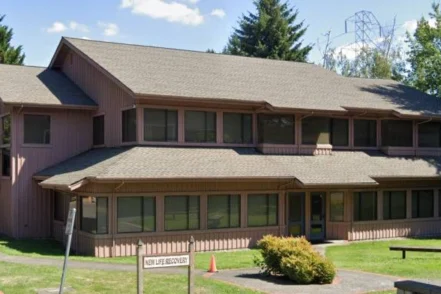 Washington
New Life Recovery Solutions Bellevue
12330 Ne 8th Street, Suite 100 Bellevue, Washington 98005
-
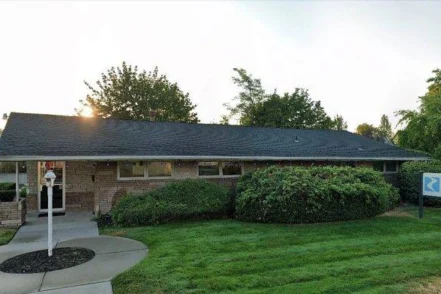 Washington
Riverside Recovery Center
3710 North Monroe Street, Spokane, WA 99205
-
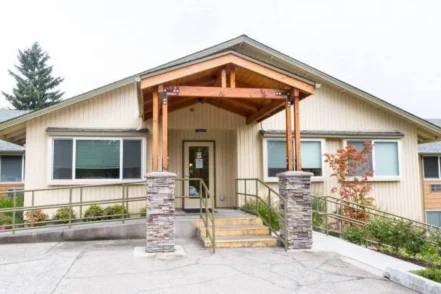 Washington
The Recovery Village Ridgefield South Hillhurst Road
888 South Hillhurst Road Ridgefield, Washington 98642
-
 Washington
Intercept Associates
30620 Pacific Highway South, #107, Federal Way, WA 98003
-
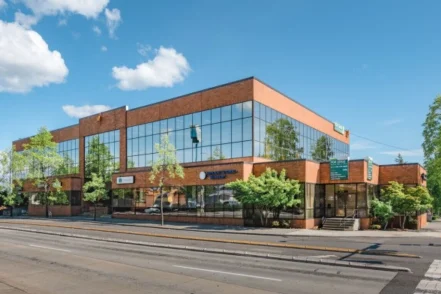 Washington
Northpoint Seattle
2111 North Northgate Way, 101, Seattle, WA 98133
-
 Washington
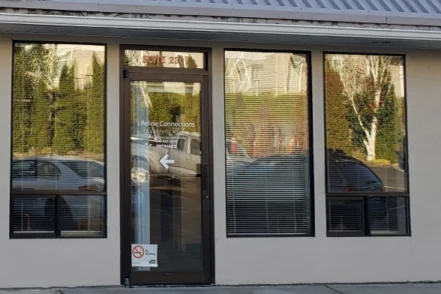
Lifeline Connections Bellingham Office
4120 Meridian St, Suite 220 Bellingham, Washington 98226
-
 Washington
Free by the Sea
25517 Park Avenue, Ocean Park, WA 98640
-
 Washington
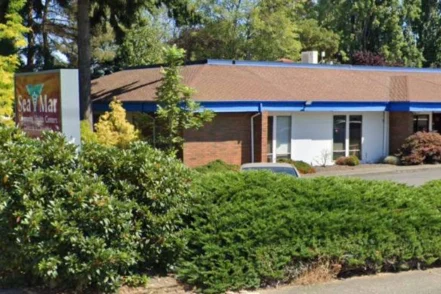
Sea Mar Community Health Centers Tacoma
2121 South 19th Street Tacoma, Washington 98405
-
 Washington
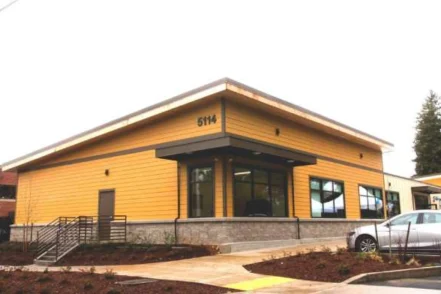
The Recovery Village Ridgefield Detox Center
5114 Northeast 94th Avenue, Vancouver, WA 98662
-
 Washington
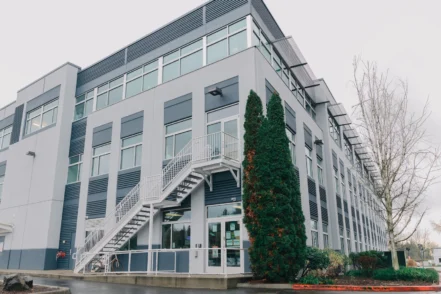
Evergreen Treatment Services – Renton
1412 Southwest 43rd Street, 140, Renton, WA 98057
Other Popular Washington Cities
Browse by Washington cities
FAQs
What levels of care does Sea Mar Tacoma Adult Treatment Center offer?
Thirty days is the length of the residential stay. The program is built for stabilization and recovery skills, and co-occurring conditions are addressed in the same place. Aftercare planning is arranged with staff help.
Where do people stay during treatment at the Tacoma center?
People sleep on site in comfortable accommodations, with well-balanced meals and nutrition classes as part of the day. The center runs 24 hours a day, seven days a week, and medical, psychiatric and mental health services can be reached through Sea Mar Medical Clinic and St. Joseph Medical Center.
How does the sliding fee scale work?
Yes. A sliding fee scale sets discounts for people who qualify, and the amount depends on both household size and yearly income, so those are the figures used.
Which therapies are used in the residential program?
Dialectical behavioral therapy, cognitive behavioral therapy, motivational interviewing and moral recognition therapy are all used. Counseling comes in individual and group formats, and 12-step meetings are part of the schedule.