
About Isabella House
Isabella House is a residential addiction treatment program in Spokane, Washington, specializing in recovery services for pregnant and parenting women with substance use disorders. Operated by New Horizon Care Centers, this six-month residential program allows mothers to live with their young children on-site while receiving comprehensive treatment and support. Isabella House integrates evidence based addiction care with parenting education, therapeutic childcare and co-occurring mental health services to strengthen family stability and long-term recovery.
Addiction Treatment Programs at Isabella House
Women begin treatment after completing detoxification at another facility and receiving a chemical dependency assessment recommending ASAM Level 3.3 residential care. The six-month residential program provides around-the-clock structure, stability and a safe environment for mothers and children to heal together.
Clients participate in individual therapy and group therapy to address substance use, trauma and mental health challenges. Programs include parenting skills development, life and employment skills training, HIV/AIDS education and relapse prevention, all designed to prepare women for independent living and sustained recovery after discharge.
What to Know About Isabella House
- Location: 2308 West 3rd Avenue, Spokane, Washington, described as the only program of its kind in the Inland Northwest
- Level of care: Six-month residential (inpatient) program for women with substance use disorders
- Who they treat: Pregnant and parenting women age 18 and older with children typically under age 6; co-occurring mental health disorders accepted
- Treatment approach: Family centered, trauma informed care with integrated mental health services and MAT friendly admissions (Suboxone accepted)
- Payment options: Apple Health (Medicaid), private insurance, Indian Health Services, private pay and state funding for women on TANF
- Amenities: On-site therapeutic childcare program offering developmental assessments, play therapy and parenting intervention; transitional housing support after discharge
Addiction Treatment Programs

Alcohol Rehab
If you’re looking to break free of dependence on alcohol, a high-quality alcohol rehab in Washington can help. These treatment programs offer detox, inpatient treatment, and outpatient care. You may receive individual, group, and family counseling, peer support, and classes in essential life skills.

Dual Diagnosis
During dual diagnosis treatment in Washington, you’ll receive integrated care for your mental health and substance use concerns, helping you establish long-term recovery.Part of treatment will include managing your mental health symptoms so you aren’t tempted to use substances to self-medicate. This can be done without counseling and medication.

Opioid Addiction
A high-quality rehab in Washington helps people gain the skills they need to overcome opioid addiction and maintain long-term sobriety. The rehab program may use multiple approaches, including nutrition, psychology, holistic methods, and support groups. These tools help you build a substance-free lifestyle and move into long-term recovery.

Adult Program
When people join an adult program in Washington, they learn about topics such as employment and raising a family while receiving treatment. These treatment programs offer detox, inpatient treatment, and outpatient care tailored to the specific needs and challenges of adults.

Women's Rehab
A women’s rehab in Washington helps clients build same-gender friendships, overcome substance use, and learn new life skills. These treatment programs offer detox, inpatient treatment, and outpatient care tailored to the unique needs and challenges of women. They generally also include life skills training tailored to the client’s needs.

Young Adult Rehab
Young adult rehab programs in Washington can help young people make healthier life choices and avoid common mistakes. These treatment programs offer detox, inpatient treatment, and outpatient care tailored to the unique needs and challenges of young adults.
Insurance Coverage

Medicaid
There are many ways to pay for rehab in Washington, including using Medicaid if you qualify. You can find treatment centers that accept Medicaid offering multiple levels of care, including detox, inpatient, and outpatient. You may pay little or nothing out-of-pocket.

Private insurance
How do you pay for rehab in Washington? A good option is private insurance. Be sure to contact your insurer to get coverage details, including what centers are in-network with your plan and what out-of-pocket costs you may be responsible for.

Self-pay options
In Washington, you can pay for rehab in many ways, including self-pay. With self-pay, also known as private pay, you write a check, use a medical loan, or electronically transfer money to the center. Check on the payment structure, which may vary depending on the level of care.

Medicare
How do you pay for rehab in Washington? If you have Medicare, consider using it to pay for some or all of the costs of treatment. Medicare plans may vary, so be sure to find out coverage details and what copayments or deductibles you might be responsible for.

Military insurance
When you’re planning to use military insurance to pay for rehab in Washington, there are a few details to keep in mind. Keep in mind that you’ll save the most using a center that’s in-network with your plan, and you might have out-of-pocket costs such as a deductible or copayment. Contact the insurer for more details.

Financial aid
Trying to see if you qualify for financial aid programs can be a great way to pay for rehab in Washington. Getting a scholarship or grant can help you pay for any level of treatment, from detox to inpatient to outpatient care.
Levels of Care
- 1
Inpatient Rehab
If you struggle with addiction in Washington, inpatient care is one option for rehab. You’ll live full-time at the facility and focus fully on recovery. Building a new life for yourself is challenging, and the focused, uninterrupted treatment you receive during inpatient care can help you lay that foundation.
- 2
Sober Living Homes
Sober living in Washington helps clients maintain long-term recovery by providing essential support after treatment ends. Sober living may provide access to ongoing counseling, additional life-skills training, peer support, and recovery support groups.
Therapies

Cognitive Behavior Therapy
Not everything we think is true or helpful. Cognitive behavioral therapy in Washington teaches you to challenge distorted thinking so you can see things more clearly and choose healthier responses. Learning which thought disortions you are most susceptible to can help you challenge unhelpful thoughts, create better interpretations of situations, and choose healthier responses.

Family Therapy
During family therapy in Washington, clients and their loved ones can address dysfunctional relationships, resentments, and conflicts in order to create healthier relationships that support the client’s recovery. Family therapy can mean addressing uncomfortable and challenging issues, but having a professional therapist facilitating the sessions makes it easier for everyone to share honestly and improve their relationships.

Group Therapy
During group therapy in Washington, each client has a chance to share their unique experiences and feelings about the discussion topic. This creates accountability and support. Some of the topics covered in group therapy include overcoming shame and guilt, improving communication, developing healthy coping skills, and building a support network.

Individual Therapy
You’re not alone as you work through addiction in Washington. Individual therapy gives you a professional who’s on your side to help you build a new life. Individual therapy sessions generally last 60 minutes and may include discussing a specific issue, education about specific topics, or developing life skills.

Trauma Therapy
During trauma-informed therapy in Washington, you’ll be given the tools you need to manage your emotions and understand what happened in a healthier way. Trauma-informed therapy is a normal part of evidence-based treatment programs and may be a part of inpatient treatment, outpatient care, or both. Methods include sharing of experiences, peer support, mindfulness practices, and more.
Accreditations

Location
Contact Isabella House

 Sponsored
Treatmentcentersdirectory.com regularly reviews this listing for accuracy but changes may occur between updates. For the most up-to-date information, please contact Isabella House.
Top Drug Rehab Centers in Washington
-
 Washington
Intercept Associates
30620 Pacific Highway South, #107, Federal Way, WA 98003
-
 Washington
Evergreen Treatment Services – Renton
1412 Southwest 43rd Street, 140, Renton, WA 98057
-
 Washington
VA Puget Sound Health Care System American Lake Division
9600 Veterans Drive Tacoma, Washington 98493
-
 Washington
Free by the Sea
25517 Park Avenue, Ocean Park, WA 98640
-
 Washington
New Life Recovery Solutions Bellevue
12330 Ne 8th Street, Suite 100 Bellevue, Washington 98005
-
 Washington
Sea Mar Community Health Centers Tacoma
2121 South 19th Street Tacoma, Washington 98405
-
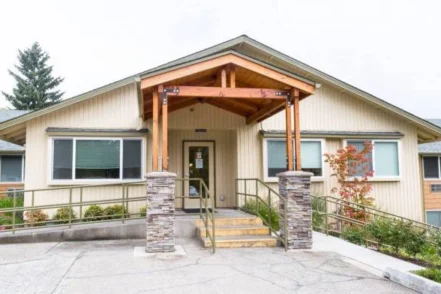 Washington
The Recovery Village Ridgefield South Hillhurst Road
888 South Hillhurst Road Ridgefield, Washington 98642
-
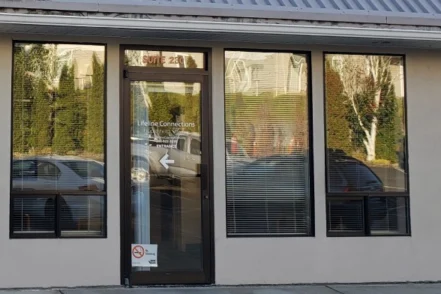 Washington
Lifeline Connections Bellingham Office
4120 Meridian St, Suite 220 Bellingham, Washington 98226
-
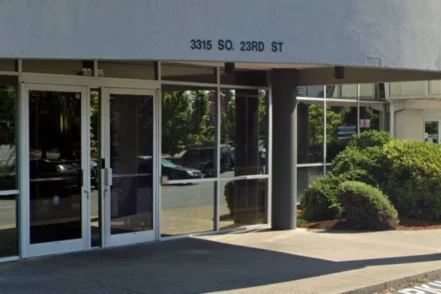 Washington
Lakeside Milam Recovery Centers Outpatient Tacoma
3315 South 23Rd Street, Suite 102 Tacoma, Washington 98405
-
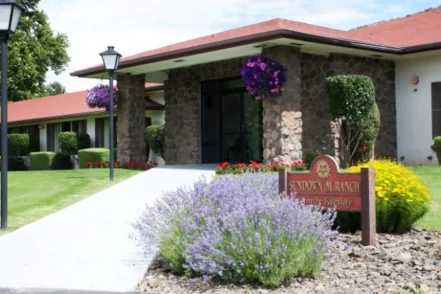 Washington
Sundown M Ranch
2280 State Route 821 Yakima, Washington 98901
-
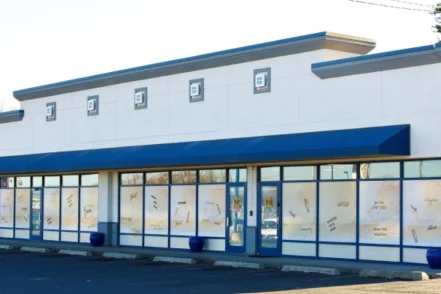 Washington
Royal Life Centers at Spokane Heights
524 East Francis Avenue Spokane, Washington 99208
-
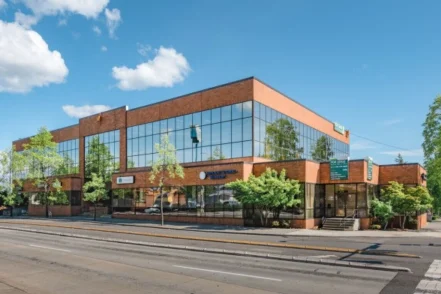 Washington
Northpoint Seattle
2111 North Northgate Way, 101, Seattle, WA 98133
-
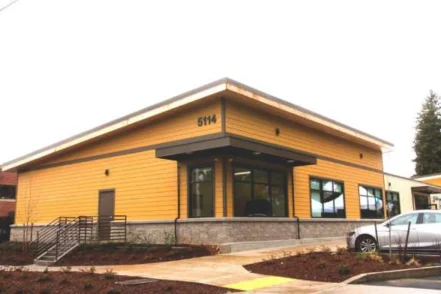 Washington
The Recovery Village Ridgefield Detox Center
5114 Northeast 94th Avenue, Vancouver, WA 98662
-
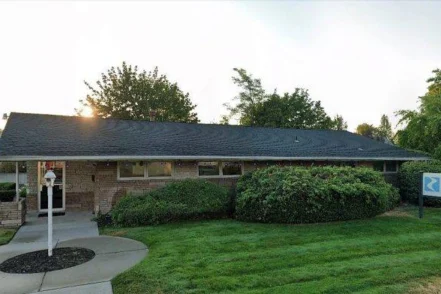 Washington
Riverside Recovery Center
3710 North Monroe Street, Spokane, WA 99205
-
 Washington
Royal Life Centers at Puget Sound
1723 Bonney Avenue Sumner, Washington 98390