Kirkland, WA Drug & Alcohol Treatment Centers
14 results nearby
Looking for help with addiction in Kirkland, WA?

Insurance
Treatment Programs
Looking for help with addiction in Kirkland, WA?
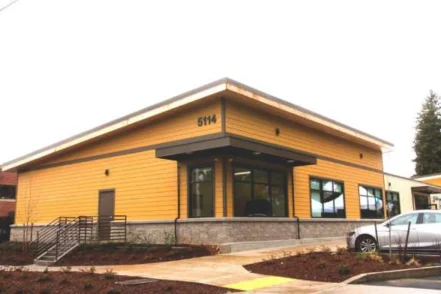
5114 NE 94th Ave Vancouver, Washington 98662
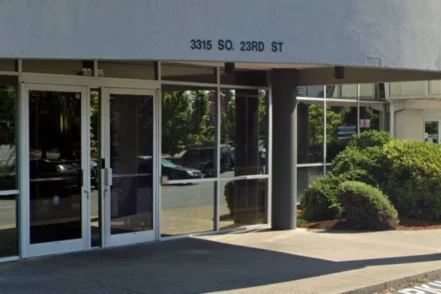
3315 South 23Rd Street, Suite 102 Tacoma, Washington 98405
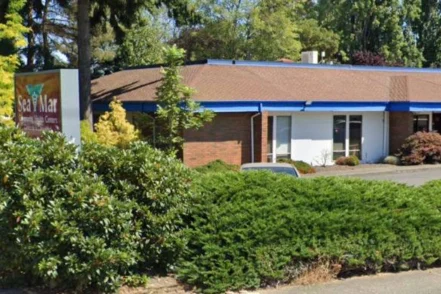
2121 South 19th Street Tacoma, Washington 98405
25517 Park Avenue Ocean Park, Washington 98640
30620 Pacific Highway South, Suite 107 Federal Way, Washington 98003
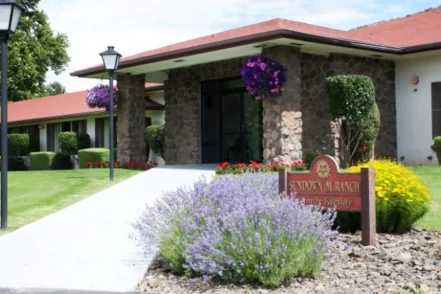
2280 State Route 821 Yakima, Washington 98901
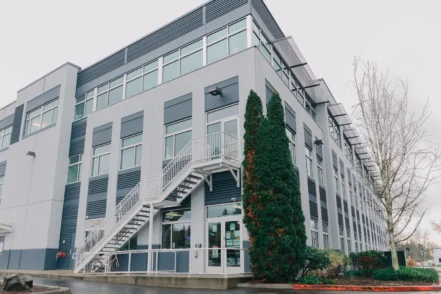
1412 Southwest 43rd Street, 140, Renton, WA 98057
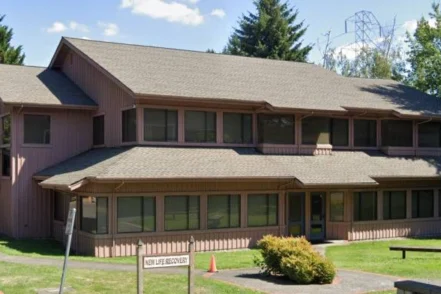
12330 Ne 8th Street, Suite 100 Bellevue, Washington 98005
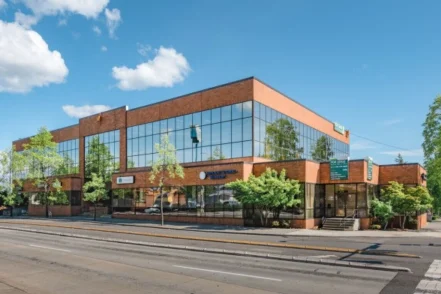
2111 North Northgate Way, 101, Seattle, WA 98133
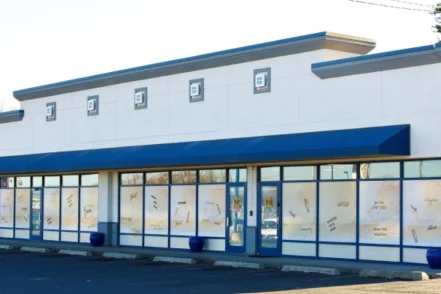
524 East Francis Avenue Spokane, Washington 99208
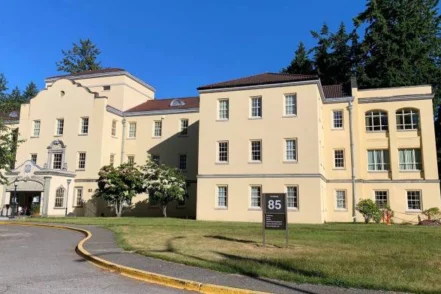
9600 Veterans Drive Tacoma, Washington 98493
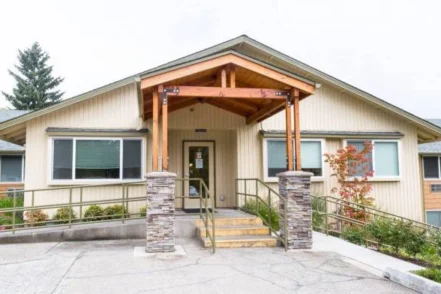
888 South Hillhurst Road Ridgefield, Washington 98642
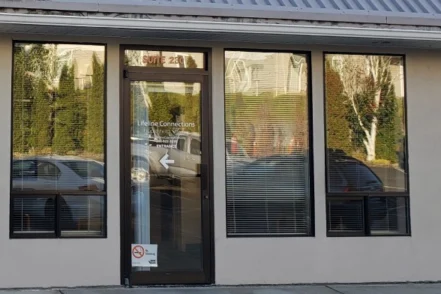
4120 Meridian St, Suite 220 Bellingham, Washington 98226
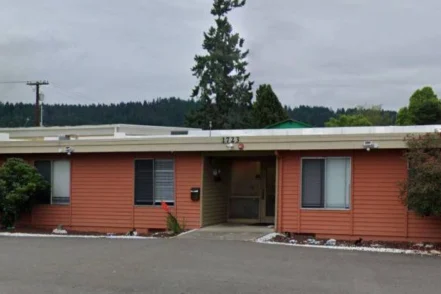
1723 Bonney Avenue Sumner, Washington 98390
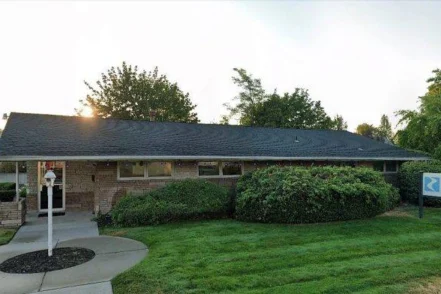
3710 North Monroe Street, Spokane, WA 99205
Kirkland lists 1 treatment center of its own. Bellevue carries the Eastside’s larger supply about 15 minutes south on I-405, Seattle is a similar distance away across SR-520 and Bothell adds another nearby option to the north, all with more capacity than Kirkland alone.
A Kirkland search commonly surfaces centers in Bellevue or Seattle alongside the one local listing. The Eastside functions as one connected market, so a program in downtown Bellevue belongs on the same short list as anything closer to home.
A permission slip is not required to start treatment in Washington. Go straight to a licensed behavioral health agency, use a referral if your doctor or Apple Health plan already gave you one, or dial the Washington Recovery Help Line at 866-789-1511 to get pointed in the right direction. Recovery residences answer to the Washington Alliance for Quality Recovery Residences here
If you are considering a sober living home, make sure that it is certified by searching the state’s Recovery Housing Registry.
SR-520 and I-405 are the two routes that matter, connecting Kirkland to Seattle and Bellevue respectively.
Bus service toward Bellevue and the University District makes it possible to get to outpatient appointments without a car, as long as you’re near a bus stop. Kirkland has no light rail or commuter train of its own, so most other trips assume a car. The waterfront path through downtown Kirkland is a short, flat option if you need a break between an appointment and the drive home.
Ready to compare programs? Browse the Kirkland listings above, or explore treatment centers across Washington.
Common questions about arriving, getting around and what to expect from treatment in Kirkland. If a question is not covered here, a program’s admissions team can answer it directly.
A behavioral health or medical provider completes the assessment, not a county office. Start with a state-licensed agency directly, or call the Washington Recovery Help Line at 866-789-1511 for help finding one.
Often, yes. Kirkland’s own listing is limited, and Bellevue’s larger supply is only about 15 minutes south, opening up considerably more choice for roughly the same commute most Eastside residents already make.
It depends on the specific program, so be sure to ask about evening availability directly. Bellevue’s larger supply, a short drive away, may offer more scheduling flexibility than Kirkland’s single option.
With only 1 listed center, there is not yet a neighborhood pattern to describe, as most of the Eastside’s supply is concentrated in downtown Bellevue instead.