3rd Day Treatment Center
7166 Mesco Drive, Building D Suite 100 Bryan, TX
- Inpatient
- PHP

Insurance
Treatment Programs
Looking for help with addiction in Arlington, TX?

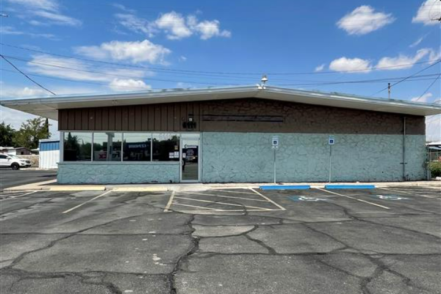
1900 Wyoming Avenue El Paso, Texas 79903
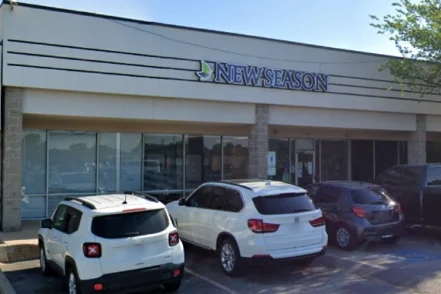
1050 North Westmoreland Road, Suite 330, Dallas, TX 75211
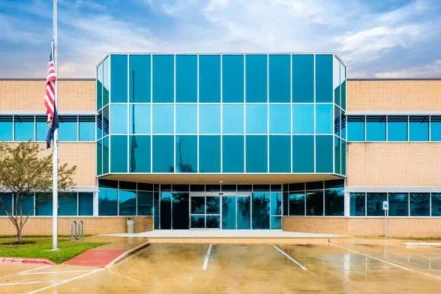
1651 Rock Prairie Road, Suite 101 College Station, Texas 77845
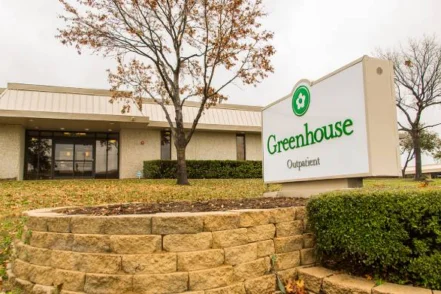
2301 Avenue J Arlington, Texas 76006

7400 Blanco Road, Suite 129 San Antonio, Texas 78216
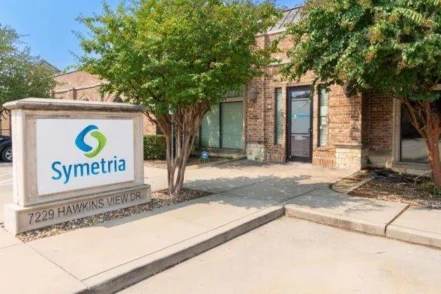
7229 Hawkins View Drive, Fort Worth, TX 76132
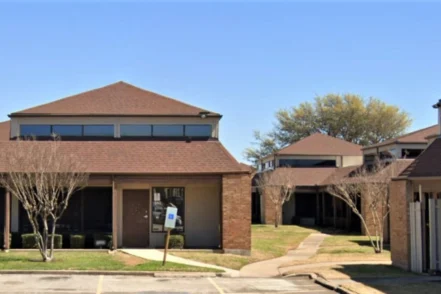
214 Billings Street, 240, Arlington, TX 76010
6960 Dick Price Road, Mansfield, TX 76063

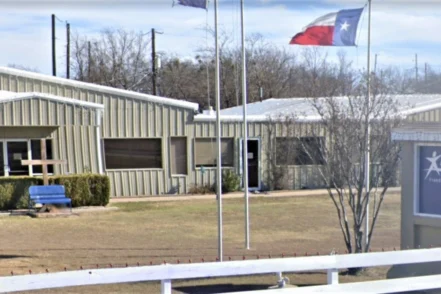
4800 Memorial Drive, Waco, TX 76711
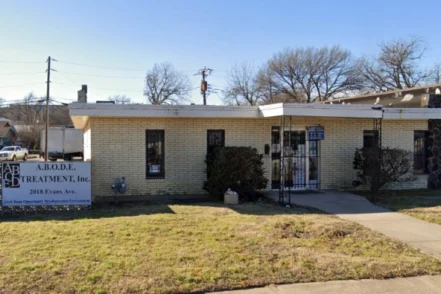
2018 Evans Avenue Fort Worth, Texas 76104
14109 Farm to Market 969, Austin, TX 78724
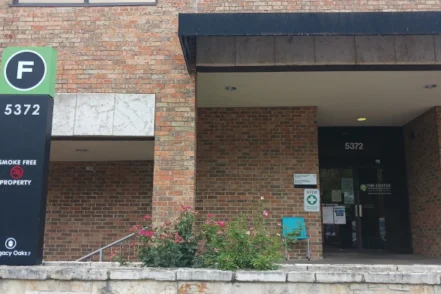
5372 Fredericksburg Road, San Antonio, TX 78229
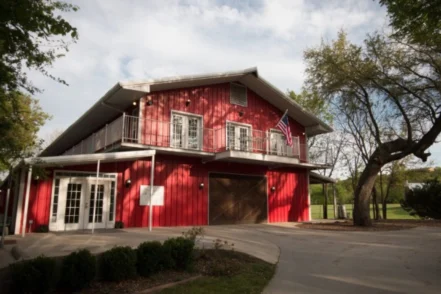
7510 Farm to Market Road 1886, Azle, TX 76020
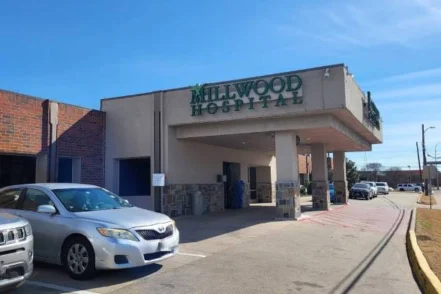
1011 North Cooper Street Arlington, Texas 76011
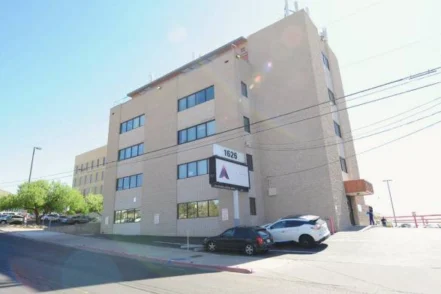
1626 Medical Center Street El Paso, Texas 79902
Arlington is situated at the center of the Mid-Cities corridor between Dallas and Fort Worth. Locals looking for treatment consider both the options within Arlington and the broader choices they can find a short drive away in either direction.
You’ll find 13 listings in Arlington’s directory. These are mostly outpatient counseling and structured day programs. These are fitting for the working schedules common among residents of a city this size.
Beyond the Arlington city limits, Fort Worth to the west offers another 41 options. It is home to most of the residential and detox treatment programs in this part of Tarrant County.
To the northeast, the Mid-Cities towns of Hurst and Bedford add a few outpatient options along Highway 183. And if you head south on US-287, you can access a few more treatment options in Mansfield. Fort Worth‘s bigger count fills out the map view if you search Arlington directly.
If you have private insurance or the ability to pay privately, you can call a licensed provider directly and schedule an assessment. If you’re uninsured (or underinsured), your entry point to treatment is through the local mental health authority for Tarrant County, MHMR of Tarrant County. This department performs an intake assessment and routes you to publicly funded care.
Texas doesn’t offer a statewide treatment-finder site, so 211 Texas is your main phone line for behavioral health referrals across the state.
If you’re looking into sober living homes, know that Texas law recognizes certified recovery residences through state-approved certifying organizations. So you should ask any sober living home in the area to show proof of its current certification before committing to a stay.
Since Arlington’s treatment providers are mostly outpatient focused, you may need to expand your search to Fort Worth to find a medical detox or residential program. This is just 20 minutes west on I-30 from Arlington.
For more info, review the sober living and transitional housing overview. This covers what a step-down after residential care typically looks like.
Arlington is located about 20 minutes south of Dallas Fort Worth International Airport via Highway 360. Many residential programs in the area will arrange airport pickup, so confirm this with the admissions team before booking a flight.
Interstate 30 provides the main east-west link to Fort Worth and Dallas. Highway 360 and I-20 are your north-south and southern approaches.
Unlike most cities of its size, Arlington does not feature a traditional fixed-route bus system. Getting around the city, including trips to outpatient appointments, generally requires using the city’s on-demand rideshare service or a personal vehicle. You can confirm with a program’s admissions office how their clients without a car typically get to treatment sessions.
Browse the listings above to see what’s available in Arlington today, or visit the Texas state page for the full picture of care across the state.
Included here are common questions about arriving, getting around, and what to expect from treatment in Arlington. If your question isn’t covered here, a program’s admissions team can answer your concerns directly.
If you have insurance or can pay privately, you can call a licensed program in Arlington directly and ask for an assessment. If you’re uninsured, MHMR of Tarrant County is the local mental health authority that handles intake. They can point you to publicly funded options.
Arlington’s 13 listings are only part of the local options. The map pulls in other providers from nearby cities, such as Fort Worth, which offers another 41 listings. These results give you a better picture of the treatment options available in the area.
Mostly, yes. Arlington doesn’t have a traditional city bus system, so you’ll need a personal vehicle, or you can use the city’s on-demand rideshare app to reach treatment sessions. It’s best to ask a program directly whether you can easily access their location via rideshare or car.
Dallas Fort Worth International Airport is the closest major airport. It’s about 20 minutes from central Arlington. Many residential programs can arrange pickup as long as you schedule it with admissions ahead of time.

Cary has spent the majority of her 30 plus years as an LPN working toward improving the lives of the most marginalized members of her community. She holds a BA in Liberal Arts and is pursuing her Master’s degree, focusing on public health policy where she can combat healthcare disparity.