
Pasadena, TX Drug & Alcohol Treatment Centers
Looking for help with addiction in Pasadena, TX?
Insurance
Treatment Programs
Looking for help with addiction in Pasadena, TX?

7400 Blanco Road, Suite 129 San Antonio, Texas 78216

214 Billings Street, Suite 240 Arlington, Texas 76010

7229 Hawkins View Drive, Fort Worth, TX 76132

6960 Dick Price Road, Mansfield, TX 76063

123 East Colorado Blvd Dallas, Texas 75203

2301 Avenue J Arlington, Texas 76006

5372 Fredericksburg Road, Building F San Antonio, Texas 78229

7510 Fm 1886 Azle, Texas 76020

2018 Evans Avenue Fort Worth, Texas 76104

1651 Rock Prairie Road, Suite 101 College Station, Texas 77845

1011 North Cooper Street Arlington, Texas 76011

1900 Wyoming Avenue El Paso, Texas 79903

1626 Medical Center Street El Paso, Texas 79902

14109 Fm 969 Austin, Texas 78724

4800 Memorial Drive, Waco, TX 76711
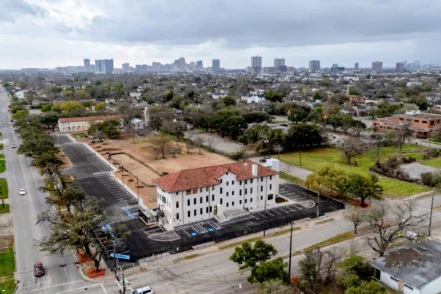
Pasadena is a large industrial city on the Houston Ship Channel, southeast of downtown and home to much of the region’s refining and petrochemical workforce. Our directory lists 4 treatment centers within the city, but a search surfaces far more, roughly 80 in the surrounding radius.
This difference is because Pasadena sits against Houston’s dense east side. The closest options are a short drive away, north and west into Houston’s east-side neighborhoods and among ship-channel suburbs such as South Houston, Deer Park, and La Porte. The east leg of Beltway 8 and Interstate 45 connect these areas, with most points 15 to 25 minutes apart.
That is why a Pasadena search shows so many centers beyond the city line. The listings map covers a broad area, and along the ship channel it reaches straight into east Houston, where programs are far more numerous. Both sides of that line work as one market, so a Pasadena resident really chooses from the whole east side. For a level of care that is not close by, central Houston and the Texas Medical Center are about 30 minutes northwest.
Pasadena’s roads run toward Houston and the industrial suburbs: State Highway 225 heads east along the ship channel toward Deer Park and La Porte, Interstate 45, the Gulf Freeway, runs northwest into the city, and Beltway 8 links south toward the Clear Lake area.
There is no rail service here, so reaching a program means driving. The local economy runs on shift work, which means you must ask if you work rotating shifts, does the program offer evening and weekend intensive outpatient tracks built for non-standard hours? The largest concentration of flexible outpatient care is a short drive northwest toward Houston.
Looking further out, Houston holds the metro’s deepest set of programs, and other suburbs like Spring and Katy list their own. Browse the Pasadena listings above, or explore treatment options across Texas.
Common questions about arriving, getting around, and what to expect from treatment in Pasadena. If a question is not covered here, a program’s admissions team can answer it directly.
Four treatment centers are located inside Pasadena city limits, but the surrounding area holds far more. Roughly 80 additional programs are within the map’s radius. The closest are in Houston’s east-side neighborhoods just northwest of the city and in the ship-channel suburbs of South Houston, Deer Park, and La Porte, most of them 15 to 25 minutes away by State Highway 225 or Interstate 45.
Not usually for standard care. The east side around Pasadena has a large number of programs once the map radius is included, so many people find residential and outpatient options close to home. For a specialized program or a level of care not available nearby, central Houston and the Medical Center are about 30 minutes northwest up the Gulf Freeway.
Often yes, and it is a common question in an area built around plant and refinery shifts. Intensive outpatient programs typically meet three or more times a week, some in evening tracks that suit rotating schedules. Ask directly about evening and weekend options and how a program handles shift work, and choose a location that keeps your commute short on the days you attend.