

Fort Worth, TX Drug & Alcohol Treatment Centers

14 results nearby

Looking for help with addiction in Fort Worth, TX?

NameAddressTreatment ProgramsInsuranceMedia

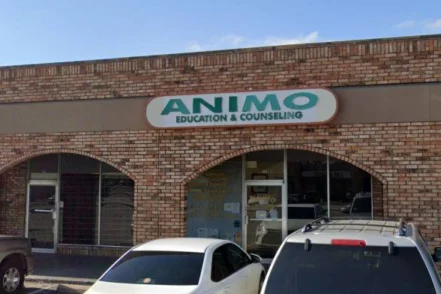
Animo Education & Counseling

4632 Denton Highway
Haltom City, Texas 76117

Treatment Programs

  • Alcohol Rehab
  • Dual Diagnosis
  • +6

Insurance

  • Self-pay options

MHMRTC Mid Cities Clinic

4525 City Point Drive
North Richland Hills, Texas 76180

Treatment Programs

  • Dual Diagnosis
  • Adult Program
  • +3

Insurance

  • Medicaid
  • Private insurance
  • +5
Get Help Now
Confidential & Free
817-631-8337
Sponsored
  • Learn about treatment options
  • Find helpful resources
  • Available 24/7

MHMRTC Addiction Recovery Center ARC

129 Harmon Road
Hurst, Texas 76053

Treatment Programs

  • Alcohol Rehab
  • Dual Diagnosis
  • +6

Insurance

  • Medicaid
  • Private insurance
  • +4

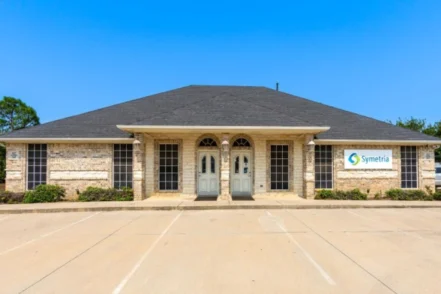
Symetria Recovery Hurst

1813 Harwood Court
Hurst, Texas 76054

Treatment Programs

  • Drug Rehab

Lena Pope Hurst

625 Grapevine Highway
Hurst, Texas 76054

Treatment Programs

  • Alcohol Rehab
  • Dual Diagnosis
  • +4

Insurance

  • Medicaid
  • Private insurance
  • +4

Carencia Mental Health

1215 West Randol Mill Road
Arlington, Texas 76012

Treatment Programs

  • Dual Diagnosis
  • Alcohol Rehab
  • +1

Insurance

  • Self-pay options

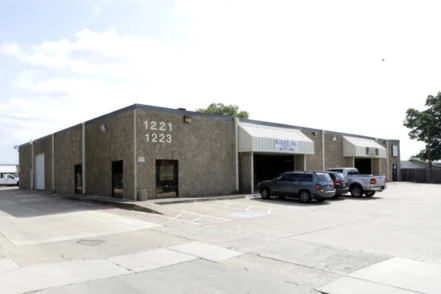
HOPE Helping Open Peoples Eyes Arlington

1221 California Lane, Suite 120
Arlington, Texas 76015

Treatment Programs

  • Alcohol Rehab
  • Opioid Addiction
  • +4

Insurance

  • Self-pay options
  • Financial aid

Riverwalk Ranch

6960 Dick Price Road
Mansfield, Texas 76063

Treatment Programs

  • Alcohol Rehab
  • Dual Diagnosis
  • +3

Insurance

  • Self-pay options
  • Private insurance

Animo Education and Counseling Arlington

990 North Cooper Street
Arlington, Texas 76011

Treatment Programs

  • Alcohol Rehab
  • Dual Diagnosis
  • +5

Insurance

  • Self-pay options
  • Private insurance

Millwood Hospital Branches Arlington

1111 North Cooper Street
Arlington, Texas 76011

Treatment Programs

  • Alcohol Rehab
  • Dual Diagnosis
  • +5

Insurance

  • Medicaid
  • Private insurance
  • +4

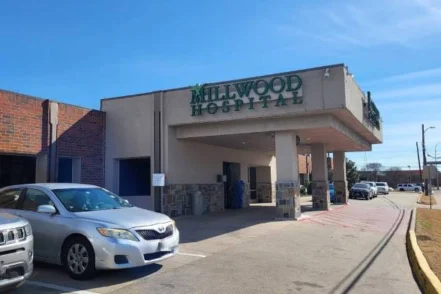
Millwood Hospital

1011 North Cooper Street
Arlington, Texas 76011

Treatment Programs

  • Alcohol Rehab
  • Opioid Addiction
  • +7

Insurance

  • Medicaid
  • Private insurance
  • +9

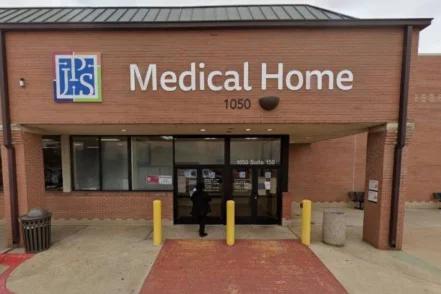
JPS Medical Home

1050 West Arkansas Lane
Arlington, Texas 76013

Treatment Programs

  • Dual Diagnosis
  • Adult Program
  • +3

Insurance

  • Medicaid
  • Private insurance
  • +4

JPS Health Center Central Arlington Behavioral Health

501 West Main Street
Arlington, Texas 76010

Treatment Programs

  • Dual Diagnosis
  • Adult Program
  • +8

Insurance

  • Medicaid
  • Private insurance
  • +4

The Right Step Euless

2219 West Euless Boulevard
Euless, Texas 76040

Treatment Programs

  • Alcohol Rehab
  • Dual Diagnosis
  • +4

Insurance

  • Medicaid
  • Private insurance
  • +2

Top Drug Rehab Centers in Texas

Getting Treatment in Fort Worth: A Local Orientation

As the county seat, Fort Worth is a treatment hub for the western half of the Dallas Forth Worth Metroplex. You’ll find a large treatment market within these city limits. The directly lists 41 providers in Fort Worth that offer a full range of inpatient to outpatient care. This means you can often transition through multiple levels of care without leaving the city.

Within Fort Worth, you’ll see that treatment programs are concentrated around the medical district north of downtown and along the Near Southside corridor. This is where hospital affiliated outpatient clinics and counseling practices are clustered near I-35W.

Other options expand into the surrounding cities and show up on the map alongside Fort Worth. Arlington offers 13 listings. Hurst is home to three, and North Richland Hills and Keller each have one. Together these cities give Tarrant County a broader range of outpatient and specialty options than any single city could support alone.

This is why a Fort Worth search often includes treatment centers in these surrounding suburbs. The region is considered one connected treatment market that’s tied together by Loop 820 and I-30. And most of these neighboring programs are just 15 to 25 minutes from downtown Fort Worth. This is close enough that if you’re weighing a Fort Worth center against a mid-cities one, you’re really just choosing a different exit off the highway.

Fort Worth’s listings offer the fullest continuum of care from detox referral through residential and outpatient care. The smaller suburbs like Hurst and North Richland Hills offer mostly outpatient treatment. This is good to keep in mind if you’re needing a residential bed rather than day treatment.

Starting Treatment in Fort Worth: How It Works Here

In Texas, you’re not required to get county pre-approval before starting private treatment. You can typically call a licensed program directly and ask for an assessment.

If you’re seeking publicly funded care, you are routed through through Outreach, Screening, Assessment, and Referral (OSAR) centers. MHMR of Tarrant County operates the OSAR office serving this county.

Across the Lone Star State, 2-1-1 Texas can connect you to local intake (select the mental health and substance use option). And the Texas Health and Human Services Commission maintains its own substance use treatment locator to help you find funded services in the area.

If you’re looking into sober living homes, it’s important to understand that Texas licenses recovery residences through the Texas Recovery Oriented Housing Network (TROHN). This is the state’s NARR affiliate. TROHN keeps a public registry so you can verify the licensure of a specific sober living home before committing to it.

For outpatient treatment, attending several days a week is usually realistic for locals since the medical district and Near Southside treatment options are located a short drive from most neighborhoods. Evening and weekend intensive outpatient options are concentrated downtown and in the medical district. This makes treatment schedules doable if you’re commuting from across the city.

Getting to Treatment in Fort Worth

Dallas-Fort Worth International Airport is located about 17.5 miles from downtown Fort Worth and is the airport you’ll most likely use to get to treatment here. Many residential programs offer airport pickup, so be sure to check with the program’s admissions team before you book a flight or arrange a ride share.

Within Fort Worth, I-30 and I-35W connect downtown, the medical district and the Near Southside areas. Loop 820 rings the city and will connect you to Hurst, North Richland Hills and Keller to the northeast. Arlington is located east along I-30, roughly 20 to 25 minutes from downtown Fort Worth (depending on traffic).

Train and bus options are also available on a limited basis. Trinity Metro’s TEXRail commuter line goes from Fort Worth Central Station downtown out to DFW Airport, and the Trinity Railway Express connects Fort Worth to Dallas. But neither line reaches most outpatient centers directly. Local bus routes will allow you to access the medical district and downtown reasonably well. A car is your best option for reaching programs in Keller, Azle or the outer suburbs.

The Recovery Environment: Trinity River Green Space and Texas Seasons

Understanding the local climate will help you plan your packing list and know what to expect from outdoor programming. Summers here are hot, with highs in the mid 90s in July and August. Outdoor programming typically takes place in the mornings or shifts indoors during this season.

Winters are mild, but in the spring you’ll experience Tarrant Couny’s severe weather season. You can expect thunderstorms and the occasional tornado watch that can shift programming schedules on short notice.

It’s best to pack light layers for spring and heat-appropriate clothing for summer. And stay flexible.

As for local green space, the Trinity Trails system offers roughly 100 miles of paths along the Trinity River and its tributaries. The system links Trinity Park, the Fort Worth Botanic Garden and dozens of neighborhoods. It’s a common destination for walking groups and sponsors taking newcomers out for air between sessions.

The Fort Worth Nature Center and Refuge and Lake Worth give people a quieter option away from downtown. This is a good option when a program’s outdoor time calls for more open space.

Sober Life in Fort Worth

Recovery housing and aftercare support are usually located close to the medical district and Near Southside. This puts them within easy reach of the outpatient clinics located there.

The city’s cultural scene, which includes museums in the Cultural District and the Stockyards and Sundance Square, gives you opportunities to rebuild your social life around alcohol-free activities. There are plenty of options for spending an evening out that aren’t centered around drinking.

If you’re weighing whether to stay in Fort Worth after your program ends, the city’s established aftercare options are something to consider.  Outpatient options, sober-friendly community events and a full range of aftercare services are in place. So continuing care rarely means you have to start over somewhere new.

A Loved One’s Guide to Treatment in Fort Worth

It’s common for treatment programs to limit contact with loved ones initially. Check with the admissions team to learn about their family contact policy and any scheduled family program dates before you book travel. This will help you coordinate your visit with family days or other established visitation times.

For local accommodations, your best bet is to stay near downtown, in the Cultural District or Near Southside. These are all within a short drive of the medical district where many of the city’s treatment centers are concentrated.

During your visits, the Fort Worth Botanic Garden, the Trinity Trails and the Stockyards offer places to relax without traveling far from the treatment center. And while you’re here, if a program offers family programming or education sessions, take advantage of these. They’ll give you a clearer picture of what the weeks ahead will look like.

You can browse the listings above to compare programs across Fort Worth, or you can check out the full Texas directory for options statewide.

Fort Worth Treatment FAQs

Here you’ll find common questions about arriving, getting around and what to expect from treatment in Fort Worth. If your question isn’t covered here, a program’s admissions team can answer it directly.

How do I get into rehab in Fort Worth?

To access private treatment, you can call a licensed program directly and ask for a personalized assessment. You don’t have to get county pre-approval for treatment in Texas.

To access publicly funded care, contact MHMR of Tarrant County for an OSAR (Outreach, Screening, Assessment, and Referral) intake. 2-1-1 Texas can also point you to the right local office.

Which airport should I fly into for rehab in Fort Worth?

Dallas-Fort Worth International Airport. This is located about 17.5 miles from downtown. Keep in mind that many residential programs offer pickup, so check with admissions before you book your flight.

Do I need a car for outpatient treatment in Fort Worth?

Probably. A car makes life easier almost everywhere in Fort Worth. Trinity Metro buses and the TEXRail line offer transportation downtown and in the medical district, but outlying areas like Keller and Azle are difficult to reach without a car.

Can I keep working while in outpatient treatment in Fort Worth?

Yes. Many people do, since outpatient options are concentrated near downtown and the medical district, and these allow for more flexibility with treatment scheduling. But be sure to ask a specific program about its schedule before assuming it fits around your full-time job.

Why does a Fort Worth search show centers in other cities?

The county functions as one connected treatment market along Loop 820 and I-30, so a search of Fort Worth includes nearby cities like Arlington, Hurst and North Richland Hills. Fort Worth itself is home to 41 listings, but a treatment center in a neighboring town might actually be closer for you or easier to access.

How do I check whether a sober living home in Fort Worth is licensed?

Check with the Texas Recovery Oriented Housing Network (TROHN), which is the state’s NARR affiliate. This organization certifies Texas recovery residences and keeps a public registry, so you can look up a specific home before you commit to it.

Editor

Kerry Nenn, BSW

Kerry Nenn, BSW

Expert Author, Editor

Read Bio

Kerry Nenn is an award-winning writer whose work has been recognized locally and nationally. She has written and edited extensively in the addiction-recovery and nonprofit sectors and has authored 10 books. Kerry has contributed to international journal publications, Christian ministries, and industry-leading marketing efforts. She holds a bachelor’s degree in social work and psychology (BSW).

GET HELP NOW CALL NOW 800-897-4135
Sponsored