
About Lindner Center of HOPE
Detox, residential care and an evening intensive outpatient program all run through Lindner Center of Hope, a psychiatric hospital and addiction treatment center in Mason, Ohio.
The hospital holds 48 private rooms, split into three units of 16 for acute stays, and the campus covers 36 wooded acres between Cincinnati and Dayton. Adults and seniors get care on two separate units, and Sibcy House takes adults 18 and older who have both a mental health condition and an addiction. The acute inpatient unit doesn’t treat primary addiction, though the residential and outpatient programs address both together.
Sibcy House and Evening IOP
Sibcy House is the center’s residential program in Mason, where group sessions fill weekdays from 9:00 a.m. to 4:30 p.m.
Plus, the IOP meets Monday, Wednesday and Thursday from 6 to 9 p.m., which leaves your workday open so you can keep a job while you’re in treatment. It can take patients who are on medication, including Suboxone. Patients here have their own bathroom with a shower, a dining room that runs restaurant-style, and green space outside.
The center isn’t a Medicaid provider for adults, and residential care at Sibcy House isn’t in network with insurance, though insurance and single-case agreements are handled case by case. Many outpatient and inpatient services do take insurance, and the IOP sits in network with Medicare.
Addiction Treatment Programs

Dual Diagnosis
Outpatient and residential programs at Lindner Center of HOPE treat addictions and mental disorders together, and a unified team runs both sides.

Young Adult Rehab
Young people need unique support, and a young adult rehab in Ohio can help them learn new life skills while overcoming addiction. In addition to typical detox, inpatient treatment, and outpatient care, a young adult program may also teach clients about living independently, budgeting, having healthy relationships, parenting, and more.

Adult Program
An adult program in Ohio addresses the recovery needs of clients in this life stage and gives them the tools they need to succeed. In addition to typical detox, inpatient treatment, and outpatient care, an adult program may also teach clients about building a career, saving for retirement, parenting, and more.

Senior Rehab
Seniors are treated on a unit apart from the adult unit at Lindner Center of HOPE, and their needs are addressed there.
Psychiatric Services
Insurance Coverage

Private insurance
In Ohio, private insurance is one of your options when it comes to paying for rehab. Insurance plans vary, so it’s important to contact the insurer for details. The best way to keep costs down is to choose a treatment center in your plan’s network.

Self-pay options
Using self-pay for rehab gives you maximum flexibility in choosing your treatment center. You can write a check, use a medical loan, or electronically send money to the center. The fee structure may vary depending on the level of care.

Financing available
When they are available, using financing options to pay for treatment in Ohio can make rehab more accessible. Choosing to finance detox, inpatient treatment, or outpatient care can allow you to get the help you need without having the pay the full amount up front. Ask about payment plans, scholarships, grants, or even medical loans.

Medicare
If you have Medicare in Ohio, you can use your coverage to help pay for rehab treatment. Keep in mind that you’ll need to choose a center that accepts your plan, and you might have out-of-pocket costs such as a deductible or copayment. Look into your plan documents for full details.

Military insurance
One option for paying for rehab in Ohio is using military insurance. Your insurance plan can cover some or all of the cost of treatment. You’ll need to contact your insurer to find out what centers are in-network with your plan and what out-of-pocket costs you may be responsible for.
Levels of Care
- 1
Inpatient Rehab
Inpatient treatment in Ohio allows clients to live full-time in the facility while getting the care they need. In inpatient care, you learn the roots of substance use, get a better understanding of the long-term impact of addiction, and learn how to use healthy coping skills and a strong support network to achieve recovery.
- 2
Outpatient Rehab
If you want to attend school or work during rehab, consider outpatient treatment in Ohio. You’ll live independently except when you’re attending rehab. Outpatient treatment is less intensive than inpatient care and may include both counseling and attendance at a 12-step or other recovery support group.
- 3
Partial Hospitalization Program
Attending a partial hospitalization program (PHP) in Ohio allows you to get evidence-based care without living in the facility, helping you establish long-term recovery. PHPs provide up to 20 hours of treatment per week. Some sessions may be focused on life-skills training, others may be group or individual therapy, and it’s not unusual for there to be activities and outings as well.
Therapies

Cognitive Behavior Therapy
Cognitive behavioral therapy in Ohio gives you tools to challenge your thinking patterns. Your underlying core beliefs can cause you to automatically react in certain ways. CBT helps you identify these immediate responses, challenge them, and choose a healthier response.

Dialectical Behavior Therapy
Dialectical behavioral therapy in Ohio gives you tools to learn new behaviors to improve and change your life. You probably have unhelpful thoughts and behaviors that you have inadvertently practiced for years. DBT helps you identify these behaviors and choose a healthier response.

Experiential Therapy
If you’re struggling with substance use in Ohio, experiential therapy can help you work through emotions so you can make positive changes. Experiential therapy can help you face your emotions and learn skills that give you a healthier way to manage stress and handle substance use triggers in day-to-day life.

Family Therapy
Overcoming substance use is easier if you have support from your loved ones. During family therapy in Ohio, you can address challenging relationships and family conflicts to restore peace and make recovery easier. Family therapy is a normal part of evidence-based treatment programs and may be a part of inpatient treatment, outpatient care, or both. Topics include addressing past events, overcoming codependence and enablement, and building healthy, supportive relationships with each other.

Group Therapy
Overcoming substance use is easier if you’re not alone. During group therapy in Ohio, you’ll hear others’ perspectives and get the support you need. Group therapy can be part of detox, inpatient treatment, and outpatient care. It’s generally combined with individual counseling, activities, life-skills classes, and relapse prevention planning.

Individual Therapy
Individual therapy in Ohio helps clients overcome substance use by providing individualized, confidential support. A professional therapist can help you identify substance use triggers, reshape your thinking about specific topics, and address prior experiences and trauma that impact your substance use habits.

Trauma Therapy
Many people with addiction issues in Ohio use substances to decrease difficult feelings such as guilt, shame, fear, and more. Trauma-informed therapy can help you understand where these feelings come from and how to deal with them in a better way. Trauma-informed therapy is one element of rehab treatment, which also includes activities, peer support, individual and group counseling, relapse prevention, and more. Together, all these methods support you in establishing long-term recovery.
Medication Management
Location
Contact Lindner Center of HOPE


 Sponsored
Treatmentcentersdirectory.com regularly reviews this listing for accuracy but changes may occur between updates. For the most up-to-date information, please contact Lindner Center of HOPE.
Top Drug Rehab Centers in Ohio
-
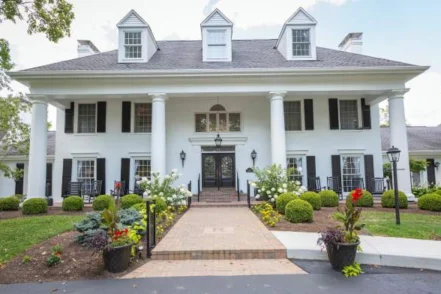 Ohio
The Ridge Ohio
25 Whitney Drive, Suite 120, Milford, OH 45150
-
 Ohio
Brightview – Warren Addiction Treatment Center
1924 East Market Street, Warren, OH 44483
-
 Ohio
BrightView Cincinnati Addiction Treatment Center
446 Morgan Street, Cincinnati, OH 45206
-
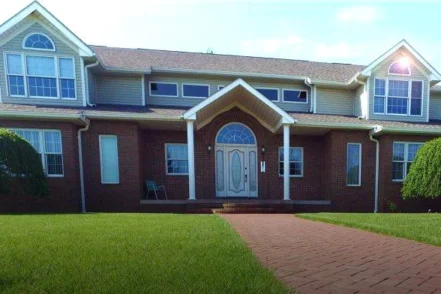 Ohio
Arrow Passage Recovery
721 Lincoln Way E Massillon, Ohio 44646
-
 Ohio
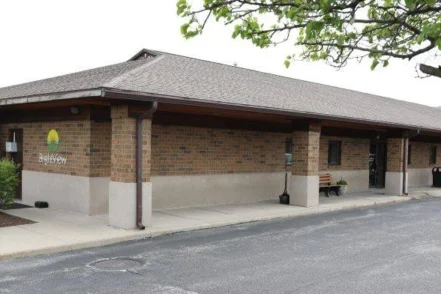
Brightview Toledo Addiction Treatment Center
1655 Holland Road, Suite F Maumee, Ohio 43537
-
 Ohio
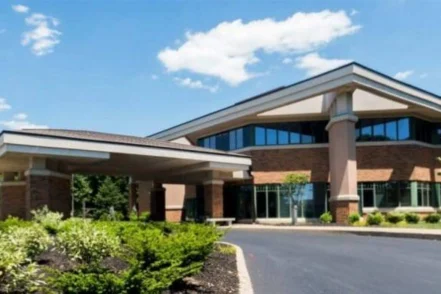
The Recovery Village Columbus Drug and Alcohol Rehab
3964 Hamilton Square Boulevard, Groveport, OH 43125
-
 Ohio
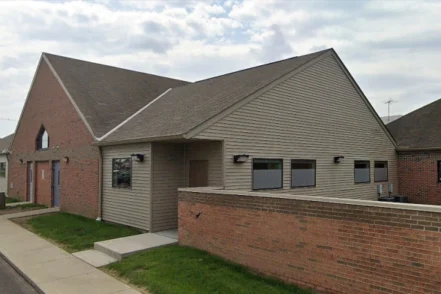
Maryhaven Womens Care on Noe Bixby
1791 Alum Creek Drive, Columbus, OH 43207
-
 Ohio
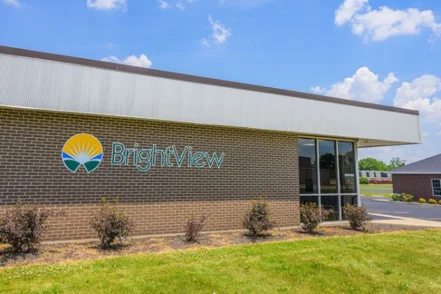
Brightview Springfield Addiction Treatment Center
201 N Yellow Springs Street Springfield, Ohio 45504
-
 Ohio
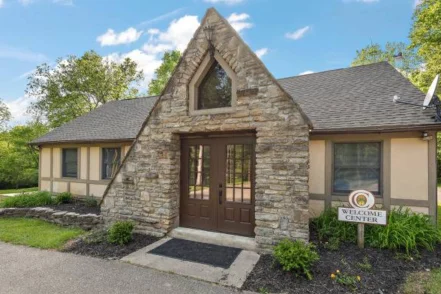
Cedar Oaks Wellness Center
5778 Ohio 350, Oregonia, OH 45054
-
 Ohio
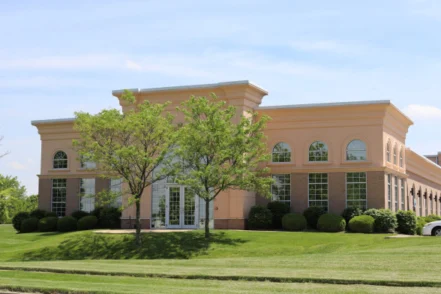
Brightview Dayton Addiction Treatment Center
8120 Garnet Drive Dayton, Ohio 45458
-
 Ohio
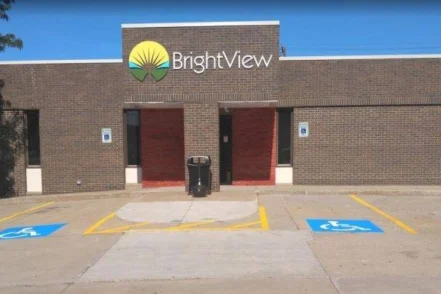
BrightView
999 North Main Street, Akron, OH 44310
-
 Ohio
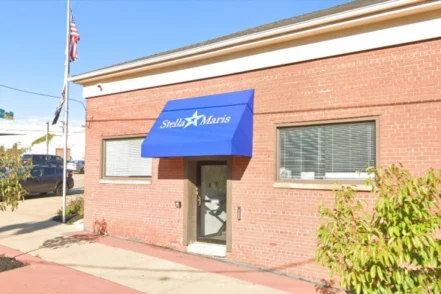
Stella Maris, Inc
1320 Washington Avenue, Cleveland, OH 44113
-
 Ohio
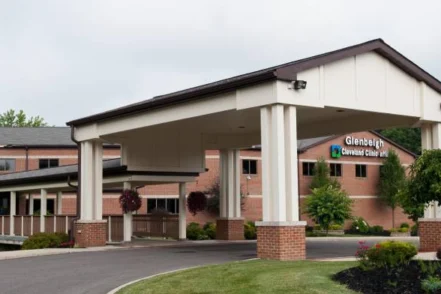
Glenbeigh Hospital of Rock Creek
2863 Ohio 45, Rock Creek, OH 44084
Other Popular Ohio Cities
Browse by Ohio cities
FAQs
Who does Lindner Center of HOPE treat, and are seniors included?
Adults and seniors. Their needs are addressed on two separate units, so an older adult is treated on a unit apart from the general adult population.
What therapy approaches do the programs here use?
Cognitive behavioral therapy and dialectical behavior therapy are both used. CBT looks at negative thinking and works on behaviors that counter depressive symptoms, while DBT helps people manage quick, strong swings in emotion.