
Cincinnati, OH Drug & Alcohol Treatment Centers

14 results nearby

Looking for help with addiction in Cincinnati, OH?

NameAddressTreatment ProgramsInsuranceMedia

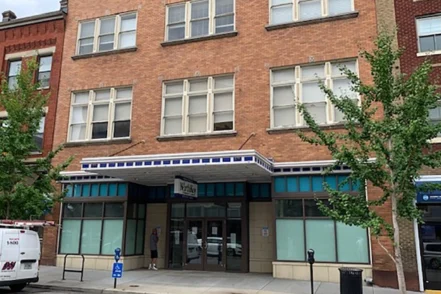
NorthKey Community Care East 5th Street

12 East 5th Street
Newport, Kentucky 41071

Treatment Programs

  • Alcohol Rehab
  • Dual Diagnosis
  • +4

Insurance

  • Medicaid
  • Private insurance
  • +3

NorthKey Community Care Madison Avenue

513 Madison Avenue
Covington, Kentucky 41011

Treatment Programs

  • Alcohol Rehab
  • Dual Diagnosis
  • +4

Insurance

  • Medicaid
  • Private insurance
  • +2
Get Help Now
Confidential & Free
513-463-8547
Sponsored
  • Learn about treatment options
  • Find helpful resources
  • Available 24/7

Awareness and Discovery Newport

799 Ann Street
Newport, Kentucky 41071

Treatment Programs

  • Alcohol Rehab
  • Dual Diagnosis
  • +4

Insurance

  • Private insurance
  • Self-pay options
  • +2

NKY Med Clinic

1717 Madison Avenue
Covington, Kentucky 41011

Treatment Programs

  • Alcohol Rehab
  • Opioid Addiction
  • +4

Insurance

  • Self-pay options

Covington Metro Treatment Center

2001 Madison Avenue
Covington, Kentucky 41011

Treatment Programs

  • Alcohol Rehab
  • Opioid Addiction
  • +9

Insurance

  • Self-pay options
  • Private insurance
  • +5

Sober Living Russell Street Mens House

2011 Russell St.
Covington, Kentucky 41014

Treatment Programs

  • Alcohol Rehab
  • Opioid Addiction
  • +3

Insurance

  • Self-pay options

Sober Living Garrard St Mens House

1208 Far Hills Drive
Covington, Kentucky 41011

Treatment Programs

  • Alcohol Rehab
  • Opioid Addiction
  • +4

Insurance

  • Self-pay options

St Elizabeth Ft Thomas Hospital

85 North Grand Avenue
Fort Thomas, Kentucky 41075

Treatment Programs

  • Alcohol Rehab
  • Dual Diagnosis
  • +3

Insurance

  • Self-pay options
  • Medicaid
  • +2

Commonwealth Substance Abuse Specialists Alexandria Pike

525 Alexandria Pike, Suite 250
Newport, Kentucky 41071

Treatment Programs

  • Alcohol Rehab
  • Opioid Addiction
  • +4

Insurance

  • Private insurance
  • Self-pay options
  • +2

Cincinnati VA Medical Center-Fort Thomas

1000 South Fort Thomas Avenue
Fort Thomas, Kentucky 41075

Treatment Programs

  • Alcohol Rehab
  • Dual Diagnosis
  • +7

Insurance

  • Private insurance
  • Self-pay options
  • +2

The Salvation Army Adult Rehabilitation Center

2250 Park Avenue
Norwood, Ohio 45212

Treatment Programs

  • Dual Diagnosis
  • Alcohol Rehab
  • +1

Redwood School and Rehabilitation Center

71 Orphanage Road
Covington, Kentucky 41017

Treatment Programs

  • Drug Rehab

St Elizabeth Healthcare Behavioral Health Crestview Hills

334 Thomas More Parkway
Edgewood, Kentucky 41017

Treatment Programs

  • Dual Diagnosis

Insurance

  • Self-pay options
  • Medicaid
  • +2

Commonwealth Substance Abuse Specialists Cold Spring

4150 Alexandria Pike, Suite 102
Cold Spring, Kentucky 41076

Treatment Programs

  • Alcohol Rehab
  • Dual Diagnosis
  • +5

Insurance

  • Private insurance
  • Self-pay options
  • +3

Top Drug Rehab Centers in Ohio

Finding Treatment in Cincinnati: Using the Local Map

Cincinnati is located on the state line between Ohio and Kentucky and not far from the Indiana state line. This shapes how you’ll find treatment. Our directory lists 45 treatment centers in the city, running from hospital-affiliated inpatient care through outpatient counseling and recovery housing.

Consider the nearby results in Kentucky. Covington and Newport are just over the Ohio River from downtown, close enough to walk to over the Roebling Bridge, and Fort Thomas and Edgewood are a few minutes further out.

On the Ohio side, Norwood is the closest separate city with treatment center listings. Programs in Covington are physically nearer to downtown Cincinnati than programs in some Ohio neighborhoods.

That proximity is real and useful, and there is a catch to understand before you start calling. A Kentucky program can admit an Ohio resident with no special step. What changes at the river is the system behind the program: different state oversight, a different recovery housing registry, and a separate answer about whether your coverage travels. Those are two things to know, not a reason to stay on one side.

Getting Into a Program in Cincinnati

On the Ohio side, there is no state approval step to clear. You contact a certified program directly and are assessed there. The Ohio Department of Behavioral Health, renamed from OhioMHAS in 2025, certifies treatment providers statewide, and each county has a community board that plans and funds the public system.

Hamilton County’s board runs a single access point for publicly funded care that answers around the clock. The Ohio CareLine, 1-800-720-9616, is staffed 24 hours a day and connects callers to local providers, and 988 handles crisis.

Recovery housing is where both states give you something concrete to check, and where the river matters most. Since January 2025, an Ohio home may not operate or advertise as recovery housing, sober living, or alcohol-and-drug-free housing unless it is certified and listed on the state registry.

Kentucky also requires certification, but through its own approved organizations and its own list. So the check is the same question with a different destination. Ask a sober living home which body certified it, then verify with that body. An Ohio registry search will not find a Covington house, and that absence means nothing about the house.

Cincinnati itself holds the full range of care, so you can usually move between levels of care without leaving the city. Attending a program several days or evenings a week is workable from most of Hamilton County. If you are considering a program across the river, confirm with them that your coverage works there before you commit, since that answer varies by program.

Getting to and Around Cincinnati Programs

The airport is in Kentucky. Cincinnati/Northern Kentucky International (CVG) is roughly 13 miles south of downtown in Boone County. You can reach the airport by taking I-71 or I-75 south across the river, then I-275 west. Allow 20 to 30 minutes, more at rush hour. Many residential programs arrange pickup, so ask admissions before booking a flight.

If you are driving, I-71 and I-75 join and cross the river together downtown, I-74 comes in from the northwest, and I-275 is the beltway, which loops through Ohio, Kentucky, and Indiana on its way around.

Transit here works the way the treatment map does: two systems, one metro. Metro, run by SORTA, covers Cincinnati and its Ohio suburbs across roughly 50 bus routes and does not cross the river. TANK covers Boone, Kenton, and Campbell counties on the Kentucky side with about 27 routes, all of which reach downtown Cincinnati.

You transfer between them downtown at Government Square. For someone attending an outpatient program in Covington or Newport while living in Cincinnati, the practical connection is TANK’s Southbank Shuttle, which loops Covington, Newport, Bellevue, and downtown every 15 minutes.

The Connector streetcar runs a 3.6-mile loop from The Banks through downtown to Over-the-Rhine, useful inside that corridor and nowhere else.

The Recovery Environment: River, Hills, and Real Winters

Central Ohio Valley weather gives you four full seasons and a winter that shapes a 30 to 90 day stay. National Weather Service normals for Cincinnati put the December high at 43 degrees with roughly four inches of snow, and March still normally brings three and a half inches.

July normals are a high of 86 and a low of 66 with close to four inches of rain, which is humid rather than punishing. Pack a real coat and boots for a winter admission, and layers for spring.

Smale Riverfront Park runs along the Ohio downtown, flat and walkable and connected to Sawyer Point. Eden Park sits in the hills between Mount Adams and Walnut Hills with overlooks across the valley. Mount Airy Forest on the west side is the city’s largest park at roughly 1,459 acres. Across the river, Devou Park in Covington has the overlook locals send visitors to.

Life After a Program in Cincinnati

Recovery life in Cincinnati is neighborhood-scaled and spread across the hills, and it crosses the river the same way everything else does. People live on one side, work on the other, and think nothing of it. That works in your favor after a program ends, because the pool of peer support, sober housing, and step-down options is metro-wide rather than limited to one state.

The argument for staying local is that the full continuum sits within about 20 minutes of downtown in three directions, so aftercare planning does not have to mean relocating.

Ask programs how they handle step down treatment, and if the plan involves a Kentucky sober living home while you keep an Ohio outpatient program, ask them to walk you through how that works in practice.

Visiting Someone in Treatment in Cincinnati

Expect limited contact at the start. Most residential programs restrict calls and visits during the first stretch, then open scheduled visiting hours or family days. Ask admissions for the family policy and any family program dates before you book travel.

For lodging, downtown Cincinnati and Covington are both central and five minutes apart, so either works for a program in the core, whichever state it is in. If the program sits further out in Hamilton County, ask for cross streets and pick something off the nearest interstate exit instead.

Between visits, the riverfront parks and the Devou Park overlook are the easy choices, and both sides of the river are walkable from the bridges. If the program offers a family session while you are in town, take it.

Browse the Cincinnati listings above to compare programs, or see what the rest of the state holds in Ohio.

What People Ask About Getting Treatment in Cincinnati

Common questions about arriving, getting around, and what to expect from treatment in Cincinnati. If a question is not covered here, a program’s admissions team can answer it directly.

Do I need a referral to start treatment in Cincinnati?

No, in Ohio you can call a certified program directly and ask for an assessment, with no county or state approval step first. If you are using public funding, Hamilton County’s board runs an access point that operates around the clock and can route you into the county system. If you would rather start with a neutral call, the Ohio CareLine is 1-800-720-9616.

Can I go to a treatment program in Kentucky if I live in Cincinnati?

Yes, a licensed Kentucky program can admit an Ohio resident without any special step, and for many people in Cincinnati, a Covington or Newport program is the closest option there is. Two things do change across the river: the program answers to Kentucky’s oversight rather than Ohio’s, and whether your coverage works there depends on the program. Ask them directly before you commit.

What should I check before moving into a sober living home here?

Ask which organization certified the home, then verify with that organization. Both states require certification, but they run separate systems and separate lists, so an Ohio registry search will not turn up a Kentucky house and vice versa. A home that cannot tell you its certification status is worth asking harder questions about.

Is public transit workable for outpatient care in Cincinnati?

Inside Hamilton County, often yes, on Metro buses. Across the river it is TANK, and the two systems connect downtown at Government Square. The Southbank Shuttle between downtown, Covington, and Newport runs every 15 minutes and is the most useful link for anyone attending a program on the Kentucky side without a car. Plan on a transfer, and check whether your program’s hours match the shuttle’s seasonal schedule.

What is the closest airport to treatment centers in Cincinnati?

Cincinnati/Northern Kentucky International (CVG), which is in Kentucky, roughly 13 miles south of downtown. Allow 20 to 30 minutes by road. TANK runs a bus between the airport and downtown, though most people arriving for treatment use a program pickup or a rideshare.

Where should family stay when visiting someone in treatment in Cincinnati?

Downtown Cincinnati and Covington both work for a program near the core, and they are minutes apart across the bridge. For a program further out in Hamilton County, ask admissions for cross streets and choose lodging off the closest interstate exit. If you are flying into CVG, the Kentucky side saves you a river crossing each way.

Author

Gayle Morris, BSN, MSN

Gayle Morris, BSN, MSN

Read Bio

Gayle Morris, BSN, MSN, has over two decades of nursing practice. She has published and lectured throughout her career and founded Indiana’s first conference for schoolteachers focused on the needs of children with special needs. As a child, her dream was to become a writer, something she made a reality in 2005 and continues today, writing health and wellness content to help people improve their overall health.

GET HELP NOW CALL NOW 800-897-4135
Sponsored