
About Catholic Charities Covenant Center
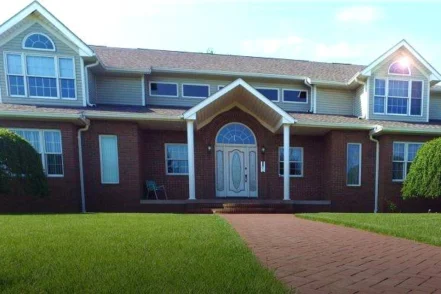
Catholic Charities Covenant Center is a substance use treatment program in Cleveland, Ohio offering outpatient care for clients navigating addiction and co-occurring mental health conditions. As part of the Catholic Charities Diocese of Cleveland the program delivers community based culturally responsive care with dedicated bilingual and bicultural Hispanic Services.
Addiction Treatment and Crisis Intervention
Treatment begins with an assessment which is required before joining the intensive outpatient program. Clients can access outpatient services designed to support recovery from substance use disorders alongside any co-occurring mental health needs.
Clients can expect counseling and crisis intervention with psychiatric evaluation with customized medication planning when appropriate. Additional support includes family counseling and parent education, stress and anger management, and relationship-conflict counseling.
Quick Facts About Catholic Charities Covenant Center
- Location: 1515 West 29th Street, in Cleveland’s Hingetown/Ohio City area, with street parking and bus route access.
- Levels of care: Outpatient treatment and an intensive outpatient program.
- Who they treat: Adults and youth, including Hispanic clients served through bilingual, bicultural staff, and those with co-occurring conditions.
- Specialty program: FIRST Cuyahoga supports clients ages 14 to 30 with recent psychotic symptoms.
- Approach: Community based, culturally responsive care integrating addiction and mental health treatment.
- Payment options: Accepts Medicaid, private insurance, and a sliding fee scale for uninsured clients.
Addiction Treatment Programs

Alcohol Rehab
The goal of an alcohol rehab in Ohio is to give you the tools and skills you need to achieve long-term recovery. The rehab program may use multiple approaches, including nutrition, psychology, holistic methods, and support groups. These tools help you build a substance-free lifestyle and move into long-term recovery.

Dual Diagnosis
Mental health concerns and substance use are often linked, which is known as a dual diagnosis. The right rehab in Ohio can help you break free. In addition to typical detox, inpatient treatment, and outpatient care, a dual diagnosis program may include medication management, additional counseling, and classes on healthy coping and other important life skills.

Opioid Addiction
In Ohio, rehab provides a combination of therapy and education to help clients overcome opioid addiction. Opioid treatment programs address the mental, emotional, and relational issues that may contribute to addiction. You’ll learn to build a new support network that supports your long-term sobriety.

Young Adult Rehab
Young people need unique support, and a young adult rehab in Ohio can help them learn new life skills while overcoming addiction. In addition to typical detox, inpatient treatment, and outpatient care, a young adult program may also teach clients about living independently, budgeting, having healthy relationships, parenting, and more.

Adult Program
An adult program in Ohio addresses the recovery needs of clients in this life stage and gives them the tools they need to succeed. In addition to typical detox, inpatient treatment, and outpatient care, an adult program may also teach clients about building a career, saving for retirement, parenting, and more.

Senior Rehab
A senior rehab in Ohio will understand the unique issues older clients face that can make recovery harder. A specialized rehab for seniors can provide help for the specific challenges of aging. This may include counseling, help with pain management, skills for overcoming loneliness, and more.

Men's Rehab
Men’s rehab programs in Ohio address the unique needs of men in a safe, gender-specific environment. In addition to typical detox, inpatient treatment, and outpatient care, a men’s program may also teach clients about having healthy relationships, fatherhood, building a career, and more.

Women's Rehab
A women’s rehab in Ohio addresses the unique needs women have and allows them to build relationships in a gender-specific environment. In addition to typical detox, inpatient treatment, and outpatient care, a women’s program may also teach clients about motherhood, building a career, being safe in relationships, and more.
Insurance Coverage

Medicaid
There are many ways to pay for rehab in Ohio. If you qualify, one option is Medicaid. Using Medicaid can allow you to access treatment without paying much, if anything, out of pocket. Be sure to find a center that acccepts Medicaid and has the level of care you need.

Private insurance
In Ohio, private insurance is one of your options when it comes to paying for rehab. Insurance plans vary, so it’s important to contact the insurer for details. The best way to keep costs down is to choose a treatment center in your plan’s network.

Self-pay options
Using self-pay for rehab gives you maximum flexibility in choosing your treatment center. You can write a check, use a medical loan, or electronically send money to the center. The fee structure may vary depending on the level of care.

Financial aid
If you qualify, financial aid programs can be a good way to pay for substance use treatment in Ohio. Financial aid directly from the treatment center is one option, or you might be able to find grants or scholarships from community groups or local non-profits.

Sliding scale payment assistance
A sliding scale payment plan can help make the costs of rehab in Ohio more affordable. By providing information about your income and family size, you can qualify for a lower fee for detox, inpatient treatment, outpatient care, and more.

Medicare
If you have Medicare in Ohio, you can use your coverage to help pay for rehab treatment. Keep in mind that you’ll need to choose a center that accepts your plan, and you might have out-of-pocket costs such as a deductible or copayment. Look into your plan documents for full details.
Levels of Care
- 1
Outpatient Rehab
If you want to attend school or work during rehab, consider outpatient treatment in Ohio. You’ll live independently except when you’re attending rehab. Outpatient treatment is less intensive than inpatient care and may include both counseling and attendance at a 12-step or other recovery support group.
- 2
Aftercare Support
Aftercare in Ohio is focused on helping you access the resources and ongoing support you need to stay sober long-term. Aftercare services help provide stability as you establish your new life and may include help with employment, housing, sober activities, making friends, and finding long-term support.
Therapies

Family Therapy
Overcoming substance use is easier if you have support from your loved ones. During family therapy in Ohio, you can address challenging relationships and family conflicts to restore peace and make recovery easier. Family therapy is a normal part of evidence-based treatment programs and may be a part of inpatient treatment, outpatient care, or both. Topics include addressing past events, overcoming codependence and enablement, and building healthy, supportive relationships with each other.

Group Therapy
Overcoming substance use is easier if you’re not alone. During group therapy in Ohio, you’ll hear others’ perspectives and get the support you need. Group therapy can be part of detox, inpatient treatment, and outpatient care. It’s generally combined with individual counseling, activities, life-skills classes, and relapse prevention planning.

Individual Therapy
Individual therapy in Ohio helps clients overcome substance use by providing individualized, confidential support. A professional therapist can help you identify substance use triggers, reshape your thinking about specific topics, and address prior experiences and trauma that impact your substance use habits.

Trauma Therapy
Many people with addiction issues in Ohio use substances to decrease difficult feelings such as guilt, shame, fear, and more. Trauma-informed therapy can help you understand where these feelings come from and how to deal with them in a better way. Trauma-informed therapy is one element of rehab treatment, which also includes activities, peer support, individual and group counseling, relapse prevention, and more. Together, all these methods support you in establishing long-term recovery.
Accreditations

Location
Contact Catholic Charities Covenant Center

 Sponsored
Treatmentcentersdirectory.com regularly reviews this listing for accuracy but changes may occur between updates. For the most up-to-date information, please contact Catholic Charities Covenant Center.
Top Drug Rehab Centers in Ohio
-
 Ohio
OhioGlenbeigh Hospital of Rock Creek
2863 Ohio 45, Rock Creek, OH 44084
-
 Ohio
OhioBrightview Springfield Addiction Treatment Center
201 N Yellow Springs Street Springfield, Ohio 45504
-
 Ohio
OhioThe Ridge Ohio
25 Whitney Drive, Suite 120, Milford, OH 45150
-
 Ohio
OhioStella Maris, Inc
1320 Washington Avenue, Cleveland, OH 44113
-
 Ohio
OhioMaryhaven Womens Care on Noe Bixby
1791 Alum Creek Drive, Columbus, OH 43207
-
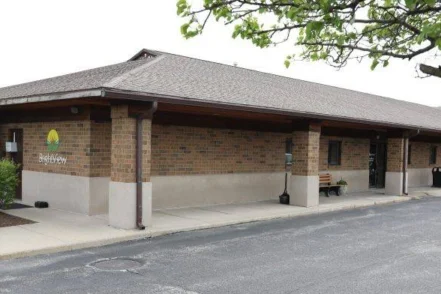 Ohio
OhioBrightview Toledo Addiction Treatment Center
1655 Holland Road, Suite F Maumee, Ohio 43537
-
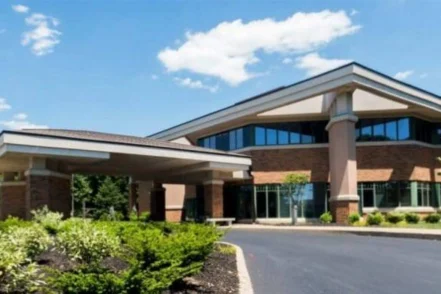 Ohio
OhioThe Recovery Village Columbus Drug and Alcohol Rehab
3964 Hamilton Square Boulevard, Groveport, OH 43125
-
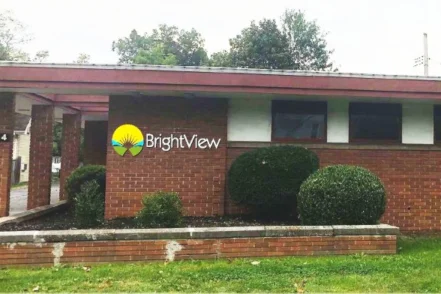 Ohio
OhioBrightview – Warren Addiction Treatment Center
1924 East Market Street, Warren, OH 44483
-
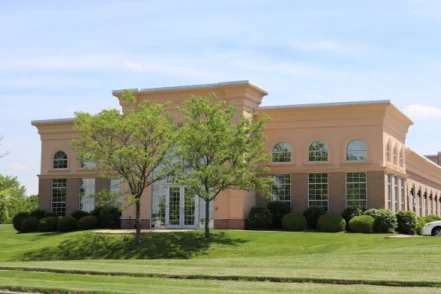 Ohio
OhioBrightview Dayton Addiction Treatment Center
8120 Garnet Drive Dayton, Ohio 45458
-
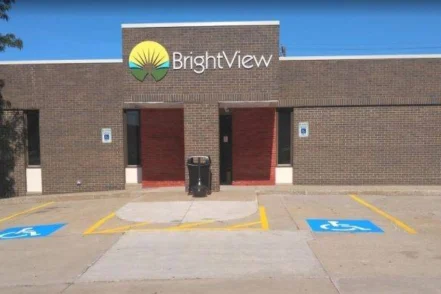 Ohio
OhioBrightView
999 North Main Street, Akron, OH 44310
-
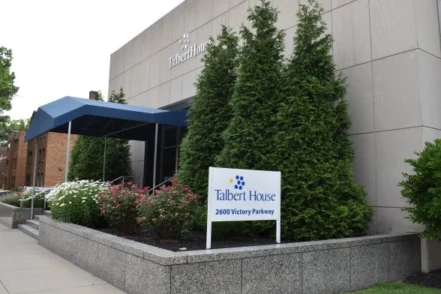 Ohio
OhioTalbert House Cincinnati
2600 Victory Parkway Cincinnati, Ohio 45206
-
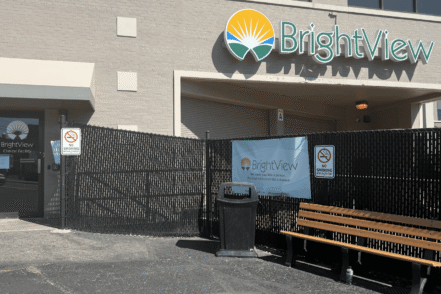 Ohio
OhioBrightView Cincinnati Addiction Treatment Center
446 Morgan Street, Cincinnati, OH 45206
-
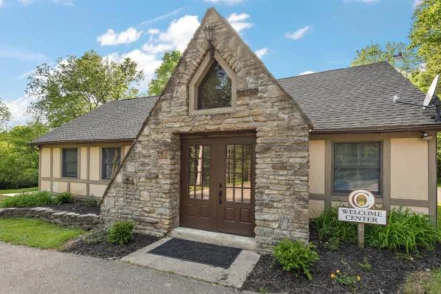 Ohio
OhioCedar Oaks Wellness Center
5778 Ohio 350, Oregonia, OH 45054
-
 Ohio
OhioArrow Passage Recovery
721 Lincoln Way E Massillon, Ohio 44646