
About Harbor
Harbor North Prospect Street is a CARF accredited outpatient behavioral health and substance use disorder treatment location in Bowling Green, Ohio that serves all ages. The site combines addiction treatment with mental health services. Treatment includes case management and trauma informed care.
As a nonprofit provider certified by the Ohio Department of Behavioral Health, Harbor develops treatment plans collaboratively with each client to support lasting recovery.
Medication Management and Sober Support Meetings
Harbor’s core focus is outpatient substance use disorder treatment for youth ages 11 to 17 and adults 18 and older. Care begins with an assessment and a customized treatment plan with options including an Intensive Outpatient Program and Medication Assisted Treatment.
MAT combines medication management and sober support meetings with IOP participation where alcohol and opioids, benzodiazepines and other substances are addressed. Treatment integrates mental health care with addiction services, using approaches like CBT and DBT, motivational interviewing and relapse prevention counseling to address co-occurring conditions.
The New Awareness Program
Harbor also offers the New Awareness Program, an education and diversion track for adolescents and adults involved in substance related offenses. Its two day intensive program focuses on underage alcohol and drug offenses among people ages 18 to 22, providing a proactive prevention option alongside traditional recovery care.
Addiction Treatment Programs

Dual Diagnosis
Mental health concerns and substance use are often linked, which is known as a dual diagnosis. The right rehab in Ohio can help you break free. In addition to typical detox, inpatient treatment, and outpatient care, a dual diagnosis program may include medication management, additional counseling, and classes on healthy coping and other important life skills.

Drug Rehab
Drug rehab in Ohio helps clients find the motivation to make a change and gives them the tools to achieve long-term sobriety. Whether you need detox, inpatient treatment, or outpatient care, a drug treatment program will help you build a new lifestyle based on healthy coping mechanisms, better relationships, and a new way of thinking about life.
Insurance Coverage

Sliding scale payment assistance
A sliding scale payment plan can help make the costs of rehab in Ohio more affordable. By providing information about your income and family size, you can qualify for a lower fee for detox, inpatient treatment, outpatient care, and more.

Financial aid
If you qualify, financial aid programs can be a good way to pay for substance use treatment in Ohio. Financial aid directly from the treatment center is one option, or you might be able to find grants or scholarships from community groups or local non-profits.
Levels of Care
- 1
Outpatient Rehab
If you want to attend school or work during rehab, consider outpatient treatment in Ohio. You’ll live independently except when you’re attending rehab. Outpatient treatment is less intensive than inpatient care and may include both counseling and attendance at a 12-step or other recovery support group.
Therapies

Cognitive Behavior Therapy
Cognitive behavioral therapy in Ohio gives you tools to challenge your thinking patterns. Your underlying core beliefs can cause you to automatically react in certain ways. CBT helps you identify these immediate responses, challenge them, and choose a healthier response.

Group Therapy
Overcoming substance use is easier if you’re not alone. During group therapy in Ohio, you’ll hear others’ perspectives and get the support you need. Group therapy can be part of detox, inpatient treatment, and outpatient care. It’s generally combined with individual counseling, activities, life-skills classes, and relapse prevention planning.

Trauma Therapy
Many people with addiction issues in Ohio use substances to decrease difficult feelings such as guilt, shame, fear, and more. Trauma-informed therapy can help you understand where these feelings come from and how to deal with them in a better way. Trauma-informed therapy is one element of rehab treatment, which also includes activities, peer support, individual and group counseling, relapse prevention, and more. Together, all these methods support you in establishing long-term recovery.
Accreditations

Location
Contact Harbor


 Sponsored
Treatmentcentersdirectory.com regularly reviews this listing for accuracy but changes may occur between updates. For the most up-to-date information, please contact Harbor.
Top Drug Rehab Centers in Ohio
-
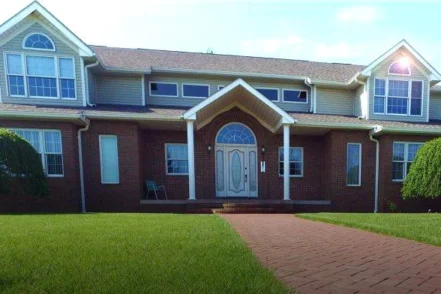 Ohio
Arrow Passage Recovery
721 Lincoln Way E Massillon, Ohio 44646
-
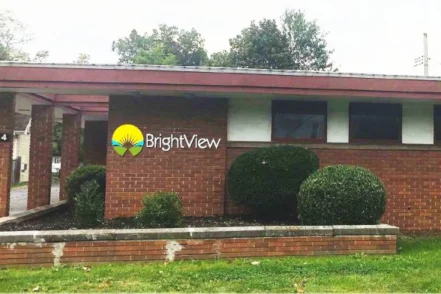 Ohio
Brightview – Warren Addiction Treatment Center
1924 East Market Street, Warren, OH 44483
-
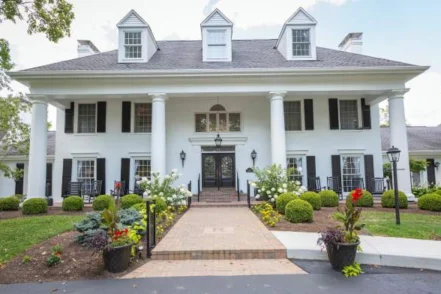 Ohio
The Ridge Ohio
25 Whitney Drive, Suite 120, Milford, OH 45150
-
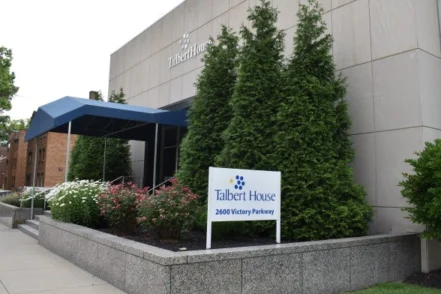 Ohio
Talbert House Cincinnati
2600 Victory Parkway Cincinnati, Ohio 45206
-
 Ohio
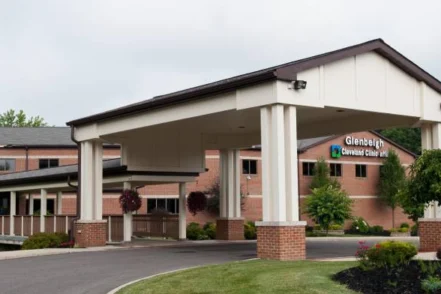
Glenbeigh Hospital of Rock Creek
2863 Ohio 45, Rock Creek, OH 44084
-
 Ohio
Maryhaven Womens Care on Noe Bixby
1791 Alum Creek Drive, Columbus, OH 43207
-
 Ohio
The Recovery Village Columbus Drug and Alcohol Rehab
3964 Hamilton Square Boulevard, Groveport, OH 43125
-
 Ohio
Brightview Springfield Addiction Treatment Center
201 N Yellow Springs Street Springfield, Ohio 45504
-
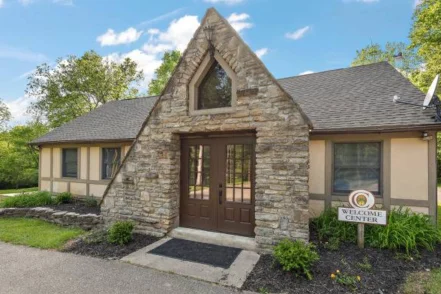 Ohio
Cedar Oaks Wellness Center
5778 Ohio 350, Oregonia, OH 45054
-
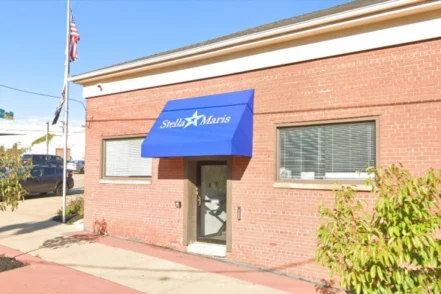 Ohio
Stella Maris, Inc
1320 Washington Avenue, Cleveland, OH 44113
-
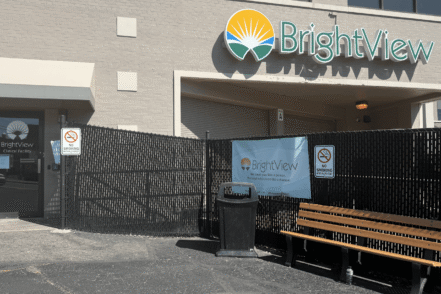 Ohio
BrightView Cincinnati Addiction Treatment Center
446 Morgan Street, Cincinnati, OH 45206
-
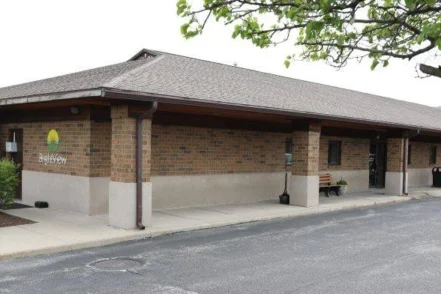 Ohio
Brightview Toledo Addiction Treatment Center
1655 Holland Road, Suite F Maumee, Ohio 43537
-
 Ohio
Brightview Dayton Addiction Treatment Center
8120 Garnet Drive Dayton, Ohio 45458
-
 Ohio
BrightView
999 North Main Street, Akron, OH 44310