
About Mercy Hospital Unity Campus Substance Abuse Services
Mercy Hospital Unity Campus Substance Abuse Services is a hospital-based addiction treatment provider in Fridley, Minnesota, offering integrated care through Allina Health.
The program delivers assessments, intensive outpatient treatment, relapse prevention, medication management and inpatient and detox support, with a strong focus on co-occurring mental health conditions.
Patients often describe the staff as compassionate, competent and professional, and appreciate the clean, easy-to-navigate hospital environment.
What addiction treatment programs are offered?
Mercy Hospital Unity Campus provides substance use disorder assessments, addiction counseling, intensive outpatient program and low-intensity relapse prevention.
Hospital inpatient treatment, detox and aftercare are also available, along with medication assisted treatment using methadone, buprenorphine, naltrexone and medications for alcohol use disorder.
What therapies and approaches are used?
The team uses cognitive behavioral therapy, dialectical behavior therapy, motivational interviewing, the Matrix Model, contingency management, trauma related counseling and 12 step facilitation.
Supportive services include family counseling, case management, discharge planning, naloxone and overdose education, housing and employment support and telehealth therapy.
Who can get help here?
The program serves adolescents, young adults, adults and seniors, including adult men and women, pregnant and postpartum women, LGBTQ+ clients, veterans, active duty military, military families and individuals involved with the criminal justice system.
Co-occurring conditions like depression, anxiety, ADHD and PTSD are a key treatment focus.
Where is the facility located?
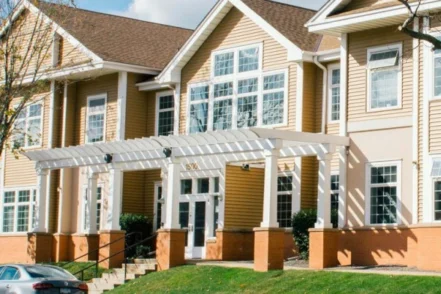
The outpatient addiction program is housed in the Lyric Building, a brick building directly across from the Mercy Hospital Unity Campus emergency room on Osborne Road in Fridley.
Free visitor parking, a cafeteria, pharmacy and a tobacco-free environment are available on campus.
What insurance and payment options are accepted?
The program works with Medicare, Medicaid, private health insurance, TRICARE and military insurance, state-financed insurance, IHS/Tribal/Urban funds and self-payment.
Staff help patients understand out-of-pocket costs before starting care.
Walk-in substance use assessments are available Monday through Friday from 7:30 a.m. to 2 p.m., making it easy to begin the intake process and identify the right level of care.
Addiction Treatment Programs

Alcohol Rehab
If you’re struggling with your alcohol use, consider an alcohol rehab in Minnesota. Alcohol programs address the mental, emotional, and relational issues that may contribute to addiction. You’ll learn to build a new support network that supports your long-term sobriety.

Dual Diagnosis
If you have both a mental health condition and substance use disorder, you need dual diagnosis treatment in Minnesota to address both issues together. Along with traditional evidence-based substance use treatment, clients may receive mental health counseling, medication, peer support, and other tools to help them manage their mental health.

Drug Rehab
The best way to achieve recovery from substance use disorder is by completing a high-quality drug rehab in Minnesota and applying the tools you learn to stay in recovery. High-quality treatment lays a foundation for sobriety and helps prevent relapses by giving you new ways of thinking, better coping skills, and a better understanding of key life skills such as emotional regulation and communication.

Adult Program
An adult program in Minnesota can help clients make healthier life choices and avoid common mistakes. Along with traditional evidence-based treatment, clients may receive employment support, parenting classes, and help securing housing.

Men's Rehab
When people join a men’s rehab in Minnesota, they are able to tackle gender-specific issues while receiving treatment. Along with traditional evidence-based treatment, clients may receive education on topics relevant to men, such as fatherhood, healthy relationships, emotional vulnerability, and more.

Women's Rehab
A women’s rehab in Minnesota can provide every level of care while addressing the unique needs of women. Along with traditional evidence-based treatment, clients may receive help with childcare, classes in parenting, and advice about being a working mother and building healthy relationships.

Young Adult Rehab
If you’re a young adult struggling with substance use, consider a young adult rehab program in Minnesota. Along with traditional evidence-based treatment, clients may receive educational support, employment training, and help securing housing.
Insurance Coverage

Medicaid
If you qualify, Medicaid can help pay for some or all of the costs of rehab in Minnesota. Medicaid often covers the full cost of rehab if you choose a center that accepts it. You can look for multiple types of care, including detox, inpatient, and outpatient.

Private insurance
There are many ways to pay for rehab in Minnesota, and one of the more affordable is using private insurance. Contact your insurer to get details about coverage and out-of-pocket costs, such as deductibles and copayments.

Self-pay options
Paying for rehab in Minnesota yourself is known as self-pay or private pay. You write a check, use a medical loan, or electronically send money to your treatment center of choice. Payment details may vary depending on the level of care.

Financial aid
When looking for ways to pay for rehab in Minnesota, consider asking about financial aid programs. Community groups or non-profits in your area may offer assistance, or you might find a treatment program that has grants or scholarships.

Medicare
If you’re looking for ways to pay for rehab in Minnesota, consider using Medicare. You may have out-of-pocket costs such as a deductible or copay, and you’ll want to look for a treatment center that accepts your Medicare coverage.

Military insurance
For those who qualify, military insurance is a good way to pay for substance use treatment in Minnesota. Your insurance plan can pay for some or all of the costs of rehab, although you will want to contact the insurer for full details. You may have some out-of-pocket costs such as copays or deductibles.
Levels of Care
- 1
Detox Treatment
During detox in Minnesota, you’ll be monitored as the substances leave your system. Then you can start fresh and create a new life. A medical detox program will provide 24/7 supervision by medical staff who can treat withdrawal symptoms with FDA-approved medication and other treatments.
- 2
Inpatient Rehab
During inpatient treatment in Minnesota, clients receive evidence-based treatment while living full-time at the facility. Residential treatment allows you to build new relationships and begin to learn how to enjoy life without substance use.
- 3
Aftercare Support
It’s easy to wonder what’s next after treatment, but fortunately, aftercare in Minnesota can provide ongoing support. The end of treatment is far from the end of the story, so take advantage of aftercare resources such as sober living, 12-step and other support groups, peer coaching, and more.
Therapies

Cognitive Behavior Therapy
The goal of cognitive behavioral therapy (CBT) in Minnesota is to address negative thinking patterns to create positive change. CBT is a common part of evidence-based treatment programs and may be a part of inpatient treatment, outpatient care, or both. CBT can be empowering as you learn to manage your thoughts and emotions rather than being overwhelmed by them.

Family Therapy
Family therapy in Minnesota can address conflicts in your family so your loved ones can help provide encouragement, support, and accountability as you work through substance use treatment. Some of the topics covered in family therapy include improving communication, developing healthy coping skills, avoiding codependency and enablement, and learning to support each other in healthy ways that foster recovery from addiction.

Group Therapy
Group therapy in Minnesota can provide encouragement, support, and accountability as you work through substance use treatment. Group therapy is a normal part of evidence-based treatment programs, and may be a part of inpatient treatment, outpatient care, or both. Topics include addiction education, sharing of experiences, and learning new skills.

Individual Therapy
During individual therapy in Minnesota, clients have a confidential environment to work through their struggles with a professional. Individual therapy is a common part of both inpatient and outpatient substance use treatment and may be used to help with skill-building, overcoming trauma, and creating a substance-free lifestyle.
Accreditations


Location
Contact Mercy Hospital Unity Campus Substance Abuse Services

 Sponsored
Treatmentcentersdirectory.com regularly reviews this listing for accuracy but changes may occur between updates. For the most up-to-date information, please contact Mercy Hospital Unity Campus Substance Abuse Services.
Top Drug Rehab Centers in Minnesota
-
 Minnesota
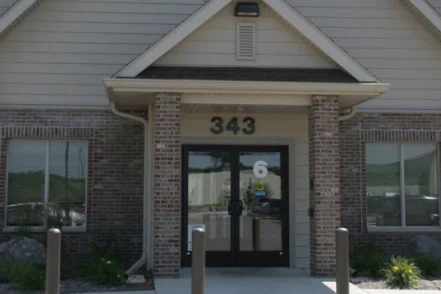
Zumbro Valley Health Center Woodlake Drive
343 Woodlake Drive Se Rochester, Minnesota 55904
-
 Minnesota
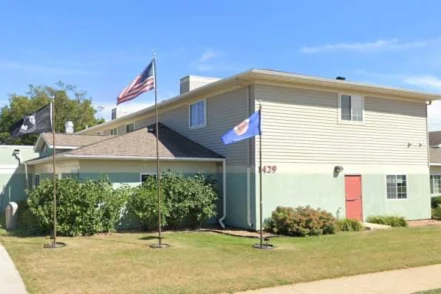
House of Hope – Women’s Program
1429 3rd Avenue, Mankato, MN 56001
-
 Minnesota
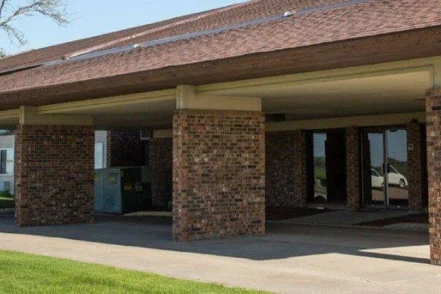
Douglas Place
1111 Gateway Drive Northeast East Grand Forks, Minnesota 56721
-
 Minnesota
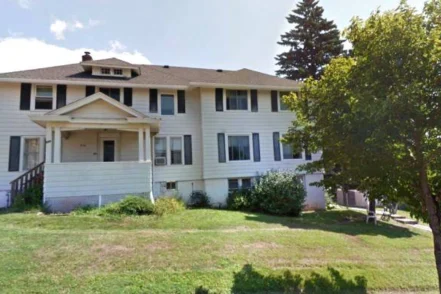
CADT Howard Friese House Hillside
714 North 11th Avenue East Duluth, Minnesota 55805
-
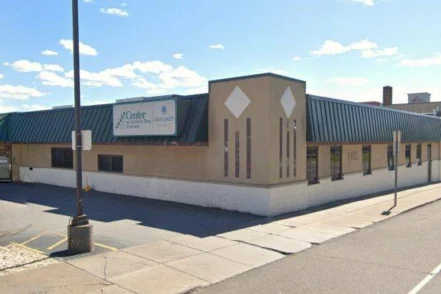 Minnesota
CADT Center for Alcohol and Drug Treatment
1402 East Superior Street Duluth, Minnesota 55805
-
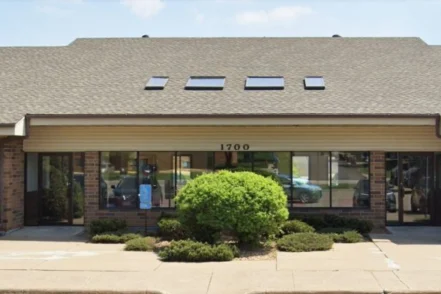 Minnesota
Twin City Chemical Health Services
1700 Livingston Avenue, Suite 102 West St. Paul, Minnesota 55118
-
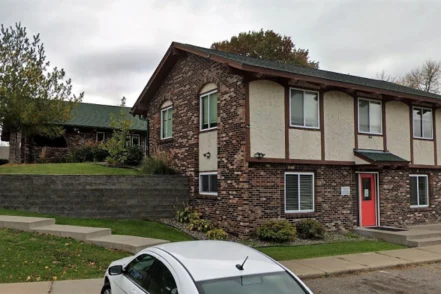 Minnesota
Anthony Louis Center Blaine
1000 Paul Parkway Minneapolis, Minnesota 55434
-
 Minnesota
Meridian Behavioral Health New Brighton
550 Main Street, Suite 230 New Brighton, Minnesota 55436
-
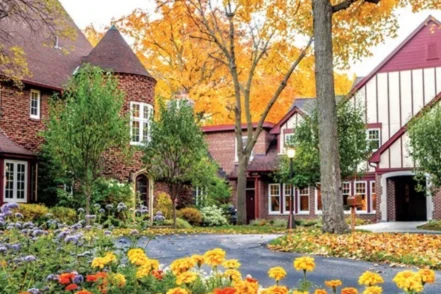 Minnesota
The Retreat Wayzata
1221 Wayzata Blvd E Wayzata, Minnesota 55391
-
 Minnesota
Turning Point Inc Headquarters
1500 Golden Valley Road, Minneapolis, MN 55411