
Minneapolis, MN Drug & Alcohol Treatment Centers

14 results nearby

Looking for help with addiction in Minneapolis, MN?

NameAddressTreatment ProgramsInsuranceMedia

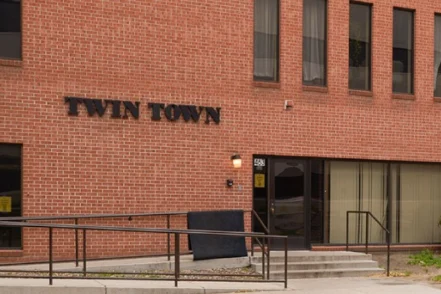
Meridian Behavioral Health Twin Town

1706 University Avenue
Saint Paul, Minnesota 55104

Treatment Programs

  • Alcohol Rehab
  • Dual Diagnosis
  • +3

Insurance

  • Private insurance
  • Self-pay options
  • +1

People Diane Ahrens Crisis Residence

1593 Hewitt Avenue
Saint Paul, Minnesota 55104

Treatment Programs

  • Dual Diagnosis
  • Adult Program
  • +1

Insurance

  • Medicaid
  • Private insurance
  • +3
Get Help Now
Confidential & Free
612-662-5583
Sponsored
  • Learn about treatment options
  • Find helpful resources
  • Available 24/7

Wayside Recovery

1600 University Ave W, Suite #300
St. Paul, Minnesota 55104

Treatment Programs

  • Drug Rehab
  • Dual Diagnosis
  • +2

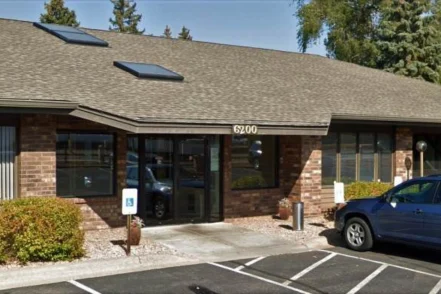
Professional Counseling Center St Louis Park

6200 Excelsior Blvd, Suites 203 And 204
St. Louis Park, Minnesota 55416

Treatment Programs

  • Dual Diagnosis
  • Drug Rehab

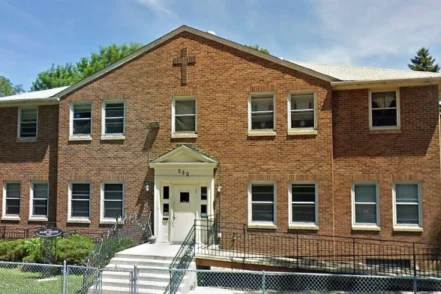
Kingdom Pathways

1088 University Avenue West
Saint Paul, Minnesota 55104

Treatment Programs

  • Alcohol Rehab
  • Dual Diagnosis
  • +2

Insurance

  • Medicaid
  • Private insurance
  • +3

Meridian Behavioral Health New Brighton

550 Main Street, Suite 230
New Brighton, Minnesota 55436

Treatment Programs

  • Alcohol Rehab
  • Dual Diagnosis
  • +5

Insurance

  • Self-pay options
  • Private insurance
  • +1

Hart House Saint Paul

550 Galtier Street
Saint Paul, Minnesota 55103

Treatment Programs

  • Alcohol Rehab
  • Opioid Addiction
  • +3

Insurance

  • Self-pay options
  • Private insurance

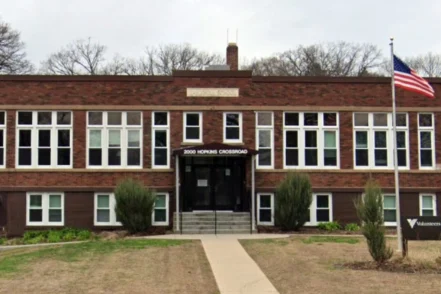
Omegon Residential Treatment Center

2000 Hopkins Crossroad
Minnetonka, Minnesota 55305

Treatment Programs

  • Alcohol Rehab
  • Dual Diagnosis
  • +4

Insurance

  • Private insurance
  • Self-pay options
  • +4

Headway Emotional Health Services

1001 Highway 7, Suite 309
Hopkins, Minnesota 55305

Treatment Programs

  • Dual Diagnosis
  • Young Adult Rehab
  • +1

Insurance

  • Medicaid
  • Private insurance
  • +3

Restoration Counseling and Community Services Saint Paul

900 Rice Street
Saint Paul, Minnesota 55117

Treatment Programs

  • Alcohol Rehab
  • Dual Diagnosis
  • +3

Insurance

  • Medicaid
  • Private insurance
  • +6

New Season St Paul Metro Treatment Center

2311 Woodbridge St
St. Paul, Minnesota 55113

Treatment Programs

  • Alcohol Rehab
  • Opioid Addiction
  • +4

Insurance

  • Self-pay options
  • Private insurance
  • +2

On Belay House

115 Forestview Lane
Plymouth, Minnesota 55441

Treatment Programs

  • Drug Rehab

Insurance

  • Private insurance

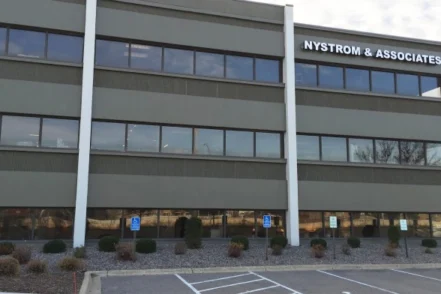
Nystrom and Associates Bloomington Clinic

1101 E. 78th Street, Suite 100
Bloomington, Minnesota 55420

Treatment Programs

  • Alcohol Rehab
  • Dual Diagnosis
  • +4

Insurance

  • Medicaid
  • Medicare
  • +3

New Beginnings 11900 Wayzata Blvd

11900 Wayzata Blvd, Suite 100
Minnetonka, Minnesota 55305

Treatment Programs

  • Alcohol Rehab
  • Dual Diagnosis
  • +5

Insurance

  • Self-pay options
  • Private insurance

Getting Treatment in Minneapolis: A Local Orientation

Minneapolis carries a long history in addiction treatment. The approach used in most residential programs across the country today traces back to Minnesota. In 1949, a small nonprofit treatment center opened in Center City, an hour northeast of the Twin Cities, and combined the developing principles of Alcoholics Anonymous with structured, professional care. That approach spread nationally and is still known as the Minnesota Model, and it left the state with an unusually deep base of treatment providers and trained counselors. Our directory lists 63 treatment centers within Minneapolis itself and roughly 60 more across the surrounding Hennepin County suburbs, spanning medical detox, residential programs, outpatient clinics, and sober living homes.

Before you compare programs, it helps to know where they actually sit. Minneapolis itself holds the deepest concentration, spread across downtown, Uptown, Northeast, and the University of Minnesota area. The county’s remaining supply spreads out from there in a rough ring: south toward the airport in Bloomington, west along Highway 100 in St. Louis Park, further west near Lake Minnetonka in Minnetonka, and northwest in Plymouth. None of these suburbs comes close to the city’s own numbers, but together they round out the options for anyone comparing programs across the county.

That geography explains why the listings above may also show centers in St. Louis Park or Bloomington when you search for Minneapolis. Hennepin County’s treatment options function as one connected market rather than several separate ones. A program in St. Louis Park sits a short drive on Highway 100 from a downtown Minneapolis address, and it is common for people in treatment here to move between areas, starting residential care in one part of the county and stepping down to outpatient or sober living in another.

Starting Treatment in Minneapolis: How It Works Here

Getting started usually begins with a Rule 25 assessment, Minnesota’s standard evaluation for substance use treatment. A licensed alcohol and drug counselor conducts the assessment and issues a recommendation, which is required to enter a state-licensed program and stays valid for 45 days. Hennepin County residents can reach the county’s intake line, called the Front Door, at 612-348-4111, Monday through Friday, for help getting an assessment scheduled and connected to services. Minnesota also runs its own treatment locator, FastTrackerMN.org, showing real-time availability across the state.

Minneapolis is the one city in the county where the full range of levels of care sits close together: detox, residential treatment, day and evening outpatient programs, and sober living homes all operate within the city itself. That breadth is the main reason to start a search here. Minnesota does not currently license or certify sober living homes by law, but the Minnesota Association of Sober Homes runs a voluntary certification program and keeps a public directory, so a home’s certification status is worth checking by name before you commit to sober living or transitional housing.

For outpatient treatment, Minneapolis is also the easiest city in the county to attend without a car. The METRO Blue and Green light rail lines and an extensive bus network reach most of the city’s program clusters directly, which matters if you are trying to make several outpatient appointments a week around a job.

Getting to Treatment in Minneapolis

Minneapolis-Saint Paul International Airport sits about 10 miles south of downtown, roughly 15 to 20 minutes by car outside of rush hour. Many residential programs offer pickup for arriving clients; ask when you call, and confirm before booking a flight. The airport has its own light rail station, so arriving without a car is realistic if your program is anywhere near a Blue Line stop.

If you are driving, Interstate 94 and Interstate 35W cross through downtown and connect to most of the rest of the metro, while Interstate 394 runs west toward St. Louis Park and Minnetonka. Interstate 494 and Interstate 694 form a beltway around the city for anyone coming from the outer suburbs.

The METRO Blue Line connects downtown to the airport and Bloomington, and the Green Line connects downtown to the University of Minnesota and St. Paul, with buses covering most of the rest of the city. Downtown itself is unusually easy to get around in winter: an enclosed skyway system links hotels, offices, and appointments across roughly 80 blocks, so a hard freeze doesn’t mean staying inside all day.

The Recovery Environment: Minneapolis Winters and Lake Life

Minneapolis winters are real winters. January highs typically run in the low 20s, with lows in the single digits, and a polar vortex event can push the temperature well below zero for a stretch most years. If you are packing for a 30 to 90 day stay between November and March, bring a real winter coat, boots, and layers rather than a light jacket. Summers run warm, with highs in the low 80s, and outdoor programming stays on the schedule the rest of the year.

The city’s lakes are a genuine part of recovery life here. The Chain of Lakes, comprising Bde Maka Ska, Lake Harriet, Lake of the Isles, and Cedar Lake, connects to more than 13 miles of paved paths that stay busy with walkers and runners nearly year-round, and the path continues along Minnehaha Creek to Minnehaha Falls. Many local programs build a walk or a run around the lakes into their weekly schedule, and it is common for sober living homes to cluster near the lakes for the same reason.

Sober Life in Minneapolis

Minneapolis supports a large, visible recovery community, helped along by the state’s long history in the field. A lot of it centers on the lakes: running clubs, group bike rides, and winter cross-country ski outings are as much a part of local recovery culture as anything indoors. A growing alcohol-free social scene, zero-proof events and mocktail menus among them, has added options that did not exist a decade ago.

For anyone deciding whether to stay in Minneapolis after treatment or return home, outpatient care, sober living, and an established peer community are all available within the same few neighborhoods, so building a routine here does not mean starting over.

A Loved One’s Guide to Treatment in Minneapolis

If someone you love is starting treatment in Minneapolis and you are supporting them from out of town, a little planning ahead will help. Most residential programs limit contact during the first days or weeks, then move to scheduled visiting hours or family weekends. Ask the admissions team for the visiting policy and family-program dates before you book travel.

Downtown Minneapolis is the practical place to stay. It sits closest to the city’s biggest cluster of programs, and the skyway system means you can walk between your hotel, meals, and appointments without going outside in bad weather. If your loved one’s program is in the western suburbs instead, staying near St. Louis Park or Minnetonka will save you the daily drive back into downtown.

Between visits, the Chain of Lakes and Minnehaha Falls are easy places to spend a few quiet hours, and Mall of America, a short light rail ride away in Bloomington, is a practical option if you need to fill an afternoon with something lighter. Family involvement is one of the stronger predictors of how treatment goes, and many Minneapolis programs offer family therapy sessions or education groups. If you are offered a seat in one, take it.

From here, you can browse the Minneapolis listings above, or look at treatment centers across Minnesota as a whole.

Minneapolis Treatment FAQs

Common questions about arriving, getting around, and what to expect from treatment in Minneapolis. If a question is not covered here, a program’s admissions team can answer it directly.

How do I get into rehab in Minneapolis?

If you’re privately insured or paying out of pocket, many treatment centers can arrange the required Rule 25 assessment directly, without going through the county first. If you need county-connected services instead, Hennepin County’s Front Door line, 612-348-4111, is the place to start.

Which airport should I fly into for rehab in Minneapolis?

Minneapolis-Saint Paul International Airport (MSP) serves the entire metro and sits about 10 miles from downtown, with its own light rail stop on the Blue Line. Many residential programs arrange pickup for arriving clients; confirm this with admissions before you book.

Can I get to treatment in Minneapolis without a car?

Yes, in much of the city. The Blue and Green light rail lines plus an extensive bus network reach most program clusters directly. Programs in the surrounding suburbs tend to be more car-dependent.

Are treatment programs in Minneapolis clustered or spread out?

Both. The deepest concentration sits in and around downtown, Uptown, and the University of Minnesota area, with smaller pockets elsewhere in the city, and the county’s remaining supply spreads into the surrounding suburbs, which is why a Minneapolis search also surfaces nearby cities.

Can my family visit me during treatment in Minneapolis?

Most residential programs allow visits after an initial adjustment period, on a schedule the program sets. Ask admissions directly about the policy and any family weekends. Many programs also offer family therapy sessions, which tend to be the most useful way to participate if one is available.

What is the weather like during treatment in Minneapolis?

Winters, November through March, are genuinely cold, with January highs in the low 20s and real risk of a stretch below zero, so pack a real coat and boots. Summers run warm, with highs in the low 80s, and outdoor programming stays on schedule the rest of the year.

Top Drug Rehab Centers in Minnesota

GET HELP NOW CALL NOW 800-897-4135
Sponsored