
About Mayo Clinic Health System Northridge Clinic
Mayo Clinic Health System’s Northridge Clinic in North Mankato, Minnesota was a substance use and behavioral health center that provided addiction and mental health support through Mayo Clinic Health System services. As of December 10, 2025, the Northridge Clinic location is closed, and clinical services have transitioned to other nearby Mayo Clinic Health System locations. Before closing, care centered on evidence-based, respectful treatment that combined current scientific research with individualized planning for long-term recovery.
Structured Outpatient Support
Clients typically started with an outpatient assessment for substance use concerns and co-occurring mental health conditions, with appointments coordinated through Mayo Clinic Health System. The clinic’s addiction services were connected to the Fountain Centers, supporting individuals and families with structured outpatient care that allowed them to continue with work and family obligations while focusing on recovery.
Personalized Treatment
Services included psychotherapy, behavioral counseling, and medication management when appropriate, with treatment plans tailored to each person’s needs. Therapeutic approaches emphasized various therapies, relapse prevention, and 12-step principles, with additional behavioral health supports such as EMDR and stress management available through psychiatry and psychology.
If you were seeking services formerly available at Mayo Clinic Health System – Northridge Clinic in North Mankato, Minnesota, Mayo Clinic Health System can help coordinate a transition to other nearby locations, including transferring providers and appointments. An intake or scheduling team can explain the available outpatient programs, referral requirements for psychiatry or psychology, and how insurance or financial assistance may be applied.
Addiction Treatment Programs

Alcohol Rehab
If you’re struggling with your alcohol use, consider an alcohol rehab in Minnesota. Alcohol programs address the mental, emotional, and relational issues that may contribute to addiction. You’ll learn to build a new support network that supports your long-term sobriety.

Dual Diagnosis
If you have both a mental health condition and substance use disorder, you need dual diagnosis treatment in Minnesota to address both issues together. Along with traditional evidence-based substance use treatment, clients may receive mental health counseling, medication, peer support, and other tools to help them manage their mental health.

Opioid Addiction
If your life has been negatively impacted by opioid addiction, a high-quality rehab in Minnesota can help. These treatment programs offer detox, inpatient treatment, and outpatient care. You may receive individual, group, and family counseling, peer support, and classes in essential life skills.

Young Adult Rehab
If you’re a young adult struggling with substance use, consider a young adult rehab program in Minnesota. Along with traditional evidence-based treatment, clients may receive educational support, employment training, and help securing housing.

Adult Program
An adult program in Minnesota can help clients make healthier life choices and avoid common mistakes. Along with traditional evidence-based treatment, clients may receive employment support, parenting classes, and help securing housing.

Men's Rehab
When people join a men’s rehab in Minnesota, they are able to tackle gender-specific issues while receiving treatment. Along with traditional evidence-based treatment, clients may receive education on topics relevant to men, such as fatherhood, healthy relationships, emotional vulnerability, and more.

Women's Rehab
A women’s rehab in Minnesota can provide every level of care while addressing the unique needs of women. Along with traditional evidence-based treatment, clients may receive help with childcare, classes in parenting, and advice about being a working mother and building healthy relationships.
Insurance Coverage

Self-pay options
Paying for rehab in Minnesota yourself is known as self-pay or private pay. You write a check, use a medical loan, or electronically send money to your treatment center of choice. Payment details may vary depending on the level of care.

Private insurance
There are many ways to pay for rehab in Minnesota, and one of the more affordable is using private insurance. Contact your insurer to get details about coverage and out-of-pocket costs, such as deductibles and copayments.

Medicaid
If you qualify, Medicaid can help pay for some or all of the costs of rehab in Minnesota. Medicaid often covers the full cost of rehab if you choose a center that accepts it. You can look for multiple types of care, including detox, inpatient, and outpatient.

Medicare
If you’re looking for ways to pay for rehab in Minnesota, consider using Medicare. You may have out-of-pocket costs such as a deductible or copay, and you’ll want to look for a treatment center that accepts your Medicare coverage.
Levels of Care
- 1
Detox Treatment
During detox in Minnesota, you’ll be monitored as the substances leave your system. Then you can start fresh and create a new life. A medical detox program will provide 24/7 supervision by medical staff who can treat withdrawal symptoms with FDA-approved medication and other treatments.
- 2
Inpatient Rehab
During inpatient treatment in Minnesota, clients receive evidence-based treatment while living full-time at the facility. Residential treatment allows you to build new relationships and begin to learn how to enjoy life without substance use.
- 3
Outpatient Rehab
Outpatient treatment in Minnesota can provide a great way to practice and reinforce new habits formed in residential rehab programs. Outpatient treatment includes multiple approach, including cognitive behavioral therapy (CBT), motivational interviewing (MI), and holistic therapy options.
- 4
Aftercare Support
It’s easy to wonder what’s next after treatment, but fortunately, aftercare in Minnesota can provide ongoing support. The end of treatment is far from the end of the story, so take advantage of aftercare resources such as sober living, 12-step and other support groups, peer coaching, and more.
Therapies

Cognitive Behavior Therapy
The goal of cognitive behavioral therapy (CBT) in Minnesota is to address negative thinking patterns to create positive change. CBT is a common part of evidence-based treatment programs and may be a part of inpatient treatment, outpatient care, or both. CBT can be empowering as you learn to manage your thoughts and emotions rather than being overwhelmed by them.

Family Therapy
Family therapy in Minnesota can address conflicts in your family so your loved ones can help provide encouragement, support, and accountability as you work through substance use treatment. Some of the topics covered in family therapy include improving communication, developing healthy coping skills, avoiding codependency and enablement, and learning to support each other in healthy ways that foster recovery from addiction.

Group Therapy
Group therapy in Minnesota can provide encouragement, support, and accountability as you work through substance use treatment. Group therapy is a normal part of evidence-based treatment programs, and may be a part of inpatient treatment, outpatient care, or both. Topics include addiction education, sharing of experiences, and learning new skills.

Individual Therapy
During individual therapy in Minnesota, clients have a confidential environment to work through their struggles with a professional. Individual therapy is a common part of both inpatient and outpatient substance use treatment and may be used to help with skill-building, overcoming trauma, and creating a substance-free lifestyle.

Trauma Therapy
Talking about what you’ve been through and how it impacted you is an important way to heal, and trauma-informed therapy in Minnesota gives you that opportunity. Trauma-informed therapy sessions generally last 60 to 90 minutes and may include discussing a specific event, talking about emotional triggers, and learning emotional regulation and cognitive restructuring skills.

Eye Movement Desensitization and Reprocessing
Accreditations

Location
Contact Mayo Clinic Health System Northridge Clinic

 Sponsored
Treatmentcentersdirectory.com regularly reviews this listing for accuracy but changes may occur between updates. For the most up-to-date information, please contact Mayo Clinic Health System Northridge Clinic.
Top Drug Rehab Centers in Minnesota
-
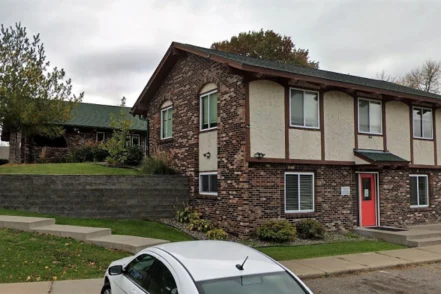 Minnesota
Anthony Louis Center Blaine
1000 Paul Parkway Minneapolis, Minnesota 55434
-
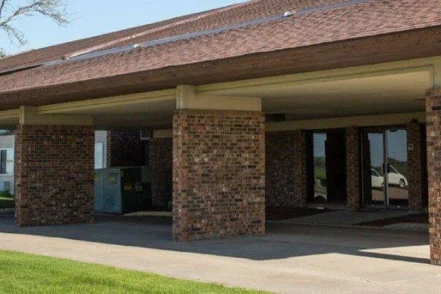 Minnesota
Douglas Place
1111 Gateway Drive Northeast East Grand Forks, Minnesota 56721
-
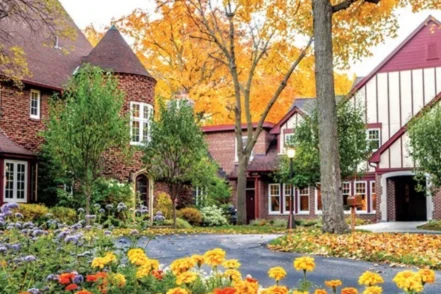 Minnesota
The Retreat
1221 Wayzata Boulevard, Wayzata, MN 55391
-
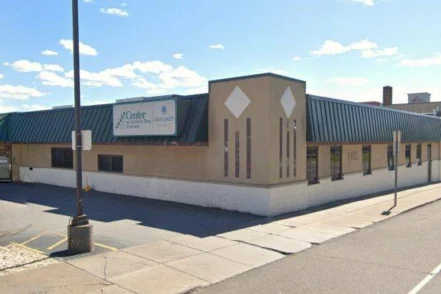 Minnesota
CADT Center for Alcohol and Drug Treatment
1402 East Superior Street Duluth, Minnesota 55805
-
 Minnesota
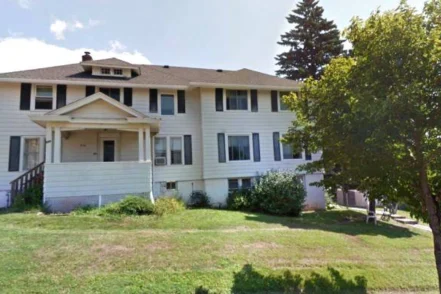
CADT Howard Friese House Hillside
714 North 11th Avenue East Duluth, Minnesota 55805
-
 Minnesota
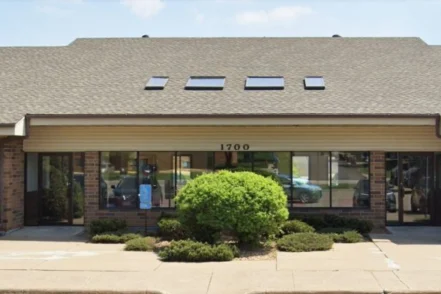
Twin City Chemical Health Services
1700 Livingston Avenue, Suite 102 West St. Paul, Minnesota 55118
-
 Minnesota
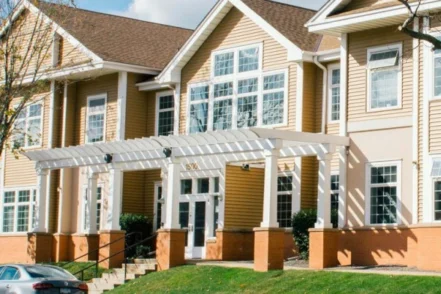
Turning Point Inc Headquarters
1500 Golden Valley Road, Minneapolis, MN 55411
-
 Minnesota
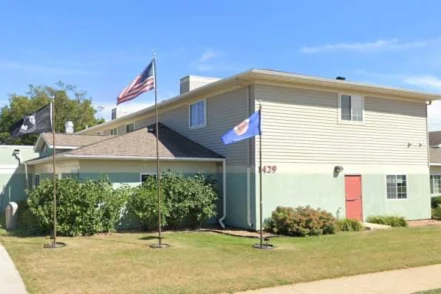
House of Hope – Women’s Program
1429 3rd Avenue, Mankato, MN 56001
-
 Minnesota
Zumbro Valley Health Center
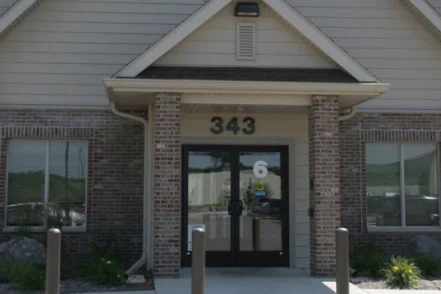
343 Woodlake Drive, Rochester, MN 55904
-
 Minnesota
Meridian Behavioral Health New Brighton
550 Main Street, Suite 230 New Brighton, Minnesota 55436