
About Northwoods Haven
Intensive outpatient treatment is the most structured of two outpatient programs at Northwoods Haven Recovery, an addiction treatment center in Hopkins, Minnesota. Adults 18 and over are admitted for a substance use disorder, including a co-occurring mental health condition. The service area includes Minneapolis and the Twin Cities.
Day and Evening Sessions
You go home after a day or evening session in Hopkins, which leaves the rest of the day for work or home. A counselor licensed in alcohol and drug treatment meets each person individually in each program at Northwoods Haven, and group therapy is offered.
The intensive program runs about two to four months, and the Relapse Prevention Program follows on a low-intensity schedule for ten to twelve weeks. Medical detox and residential treatment aren’t offered, and people who need detox get a referral to another provider. Psychiatric support covers medication management when it’s appropriate.
Clinical evaluations for a Minnesota DWI come with written documentation for court, probation and licensing requirements.
In-network plans include Minnesota Medicaid, HealthPartners, Medica, UnitedHealthcare and Blue Cross Blue Shield. You can pay privately along with those plans.
Addiction Treatment Programs

Adult Program
Adults 18+, including young adults, are who this outpatient program takes. Substance use disorders are in scope, and co-occurring mental health conditions are too, across Minneapolis and the Twin Cities.

Dual Diagnosis
Trauma and PTSD are treated here, along with depression, anxiety and bipolar disorder. That happens alongside the chemical dependency programming, not after it, and it stays outpatient for adults.

Alcohol Rehab
If you’re struggling with your alcohol use, consider an alcohol rehab in Minnesota. Alcohol programs address the mental, emotional, and relational issues that may contribute to addiction. You’ll learn to build a new support network that supports your long-term sobriety.

Opioid Addiction
If your life has been negatively impacted by opioid addiction, a high-quality rehab in Minnesota can help. These treatment programs offer detox, inpatient treatment, and outpatient care. You may receive individual, group, and family counseling, peer support, and classes in essential life skills.

Drug Rehab
The best way to achieve recovery from substance use disorder is by completing a high-quality drug rehab in Minnesota and applying the tools you learn to stay in recovery. High-quality treatment lays a foundation for sobriety and helps prevent relapses by giving you new ways of thinking, better coping skills, and a better understanding of key life skills such as emotional regulation and communication.

Intensive Outpatient Program (IOP)
Relapse Prevention
Insurance Coverage

Private insurance
In-network plans here include Blue Cross Blue Shield and HealthPartners, plus UnitedHealthcare and Medica.

Self-pay options
Paying for rehab in Minnesota yourself is known as self-pay or private pay. You write a check, use a medical loan, or electronically send money to your treatment center of choice. Payment details may vary depending on the level of care.

Sliding scale payment assistance
There are many ways to pay for rehab in Minnesota. One option is to look for programs with a sliding scale payment plan. With a sliding scale, you’ll pay less depending on your income and family size. This makes it much less stressful to get the care you need.

Financial aid
When looking for ways to pay for rehab in Minnesota, consider asking about financial aid programs. Community groups or non-profits in your area may offer assistance, or you might find a treatment program that has grants or scholarships.

Medicaid
If you qualify, Medicaid can help pay for some or all of the costs of rehab in Minnesota. Medicaid often covers the full cost of rehab if you choose a center that accepts it. You can look for multiple types of care, including detox, inpatient, and outpatient.
Blue Cross Blue Shield
UnitedHealthcare
Levels of Care
- 1
Outpatient Rehab
The Relapse Prevention Program is the lighter outpatient step-down. It runs ten to twelve weeks. The same counselors stay on.
- 2
Partial Hospitalization Program
Partial hospitalization programs (PHPs) in Minnesota are led by professionals who provide intensive daily treatment, but you live at home or in a sober living facility outside the sessions. Building a new life for yourself is challenging, and the focused treatment you receive during a PHP can help you lay that foundation.
Therapies

Cognitive Behavior Therapy
The goal of cognitive behavioral therapy (CBT) in Minnesota is to address negative thinking patterns to create positive change. CBT is a common part of evidence-based treatment programs and may be a part of inpatient treatment, outpatient care, or both. CBT can be empowering as you learn to manage your thoughts and emotions rather than being overwhelmed by them.

Family Therapy
Family therapy in Minnesota can address conflicts in your family so your loved ones can help provide encouragement, support, and accountability as you work through substance use treatment. Some of the topics covered in family therapy include improving communication, developing healthy coping skills, avoiding codependency and enablement, and learning to support each other in healthy ways that foster recovery from addiction.

Group Therapy
Group therapy in Minnesota can provide encouragement, support, and accountability as you work through substance use treatment. Group therapy is a normal part of evidence-based treatment programs, and may be a part of inpatient treatment, outpatient care, or both. Topics include addiction education, sharing of experiences, and learning new skills.

Dialectical Behavior Therapy
The goal of dialectical behavioral therapy (DBT) in Minnesota is to help you recognize your strengths and embrace your ability to create positive change. DBT is a common part of evidence-based treatment programs and may be a part of inpatient treatment, outpatient care, or both.
Individual Counseling
Motivational Interviewing
Trauma-Informed Care
Location
Contact Northwoods Haven


 Sponsored
Treatmentcentersdirectory.com regularly reviews this listing for accuracy but changes may occur between updates. For the most up-to-date information, please contact Northwoods Haven.
Top Drug Rehab Centers in Minnesota
-
 Minnesota
Meridian Behavioral Health New Brighton
550 Main Street, Suite 230 New Brighton, Minnesota 55436
-
 Minnesota
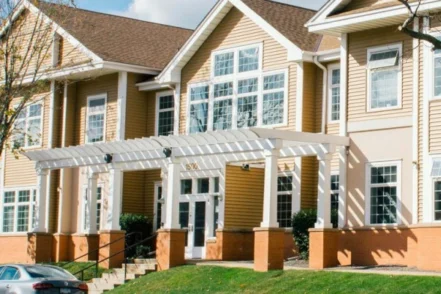
Turning Point Inc Headquarters
1500 Golden Valley Road, Minneapolis, MN 55411
-
 Minnesota
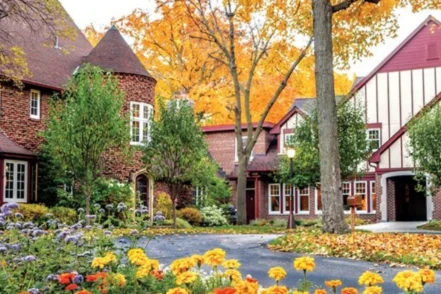
The Retreat
1221 Wayzata Boulevard, Wayzata, MN 55391
-
 Minnesota
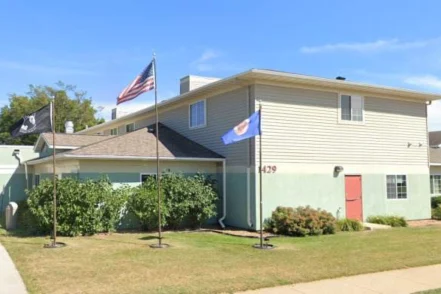
House of Hope – Women’s Program
1429 3rd Avenue, Mankato, MN 56001
-
 Minnesota
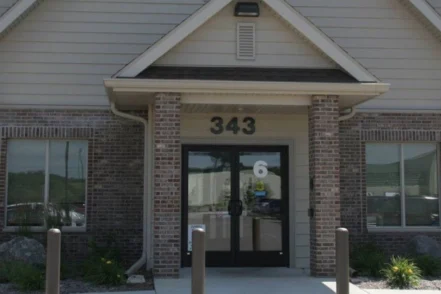
Zumbro Valley Health Center
343 Woodlake Drive, Rochester, MN 55904
-
 Minnesota
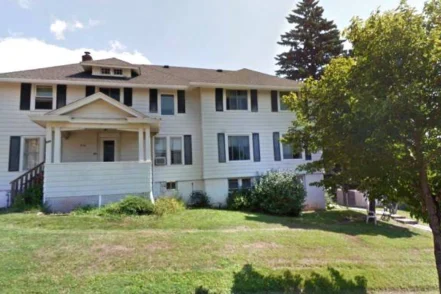
CADT Howard Friese House Hillside
714 North 11th Avenue East Duluth, Minnesota 55805
-
 Minnesota
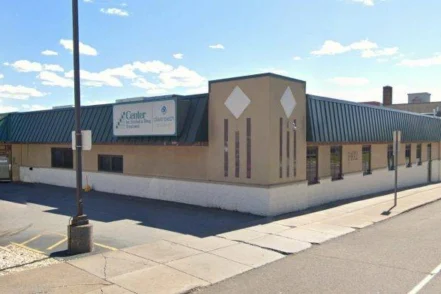
CADT Center for Alcohol and Drug Treatment
1402 East Superior Street Duluth, Minnesota 55805
-
 Minnesota
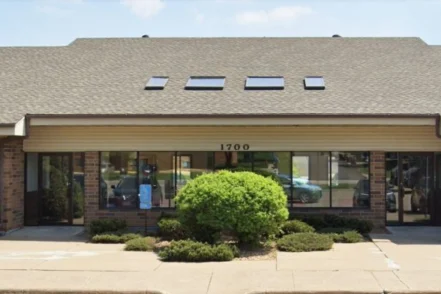
Twin City Chemical Health Services
1700 Livingston Avenue, Suite 102 West St. Paul, Minnesota 55118
-
 Minnesota
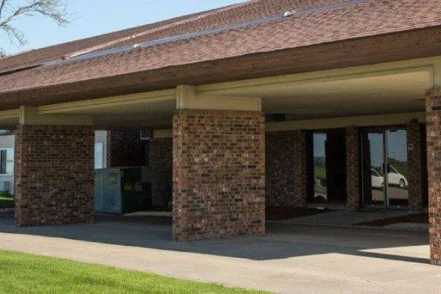
Douglas Place
1111 Gateway Drive Northeast East Grand Forks, Minnesota 56721
-
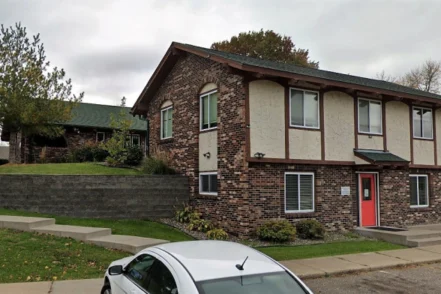 Minnesota
Anthony Louis Center Blaine
1000 Paul Parkway Minneapolis, Minnesota 55434
Other Popular Minnesota Cities
Browse by Minnesota cities
FAQs
What levels of care does Northwoods Haven Recovery offer?
Outpatient levels, plus mental health care in the same programming. The intensive outpatient program is the most structured level and runs about two to four months. After that, the Relapse Prevention Program is a lighter schedule of ten to twelve weeks. Trauma and PTSD are treated as dual diagnosis care, along with depression, anxiety and bipolar disorder. The chemical dependency programming runs at the same time, not afterward.
Can you attend sessions and still go home the same day?
Every program is outpatient treatment. You come during the day or in the evening and go home afterward, so the day continues at home. Northwoods Haven Recovery serves Minneapolis and the greater Twin Cities from its Hopkins location.
How can you pay, by insurance or private pay?
In-network coverage includes Minnesota Medicaid. Also in network are Blue Cross Blue Shield and HealthPartners, plus UnitedHealthcare and Medica. Private pay is accepted too, if insurance isn’t the route you use.
Who can enroll, by age, at this Hopkins program?
Adults 18+, and that includes young adults. Substance use disorders are treated here, and so are co-occurring mental health conditions. The care is outpatient. The adults served are across Minneapolis and the Twin Cities.
How long do the intensive and step-down schedules last?
The intensive outpatient program is the most structured outpatient level and lasts about two to four months. What comes next is the Relapse Prevention Program, a lighter schedule of ten to twelve weeks. The same counselors stay with you, so skills from the intensive months carry into ordinary life.