
About Detroit Recovery Project Eastside Health and Wellness Recovery Resource Center
The Detroit Recovery Project Eastside Health and Wellness Recovery Resource Center offers a variety of services to help individuals struggling with addiction. These services include alcohol rehab, dual diagnosis, opioid addiction, adult and young adult programs, men and women’s rehab, and aftercare support. The center also offers a variety of therapies, such as cognitive behavioral therapy, experiential therapy, family therapy, group therapy, individual therapy, and trauma therapy. The goal of the Detroit Recovery Project is to help individuals struggling with addiction recover and live healthy, productive lives.
Addiction Treatment Programs

Alcohol Rehab
The goal of an alcohol rehab in Michigan is to give you the tools and skills you need to achieve long-term recovery. Whether you need detox, inpatient treatment, or outpatient care, an alcohol program will help you build a new lifestyle based on healthy coping mechanisms, better relationships, and a new way of thinking about life.

Dual Diagnosis
Mental health concerns and substance use are often linked, which is known as a dual diagnosis. The right rehab in Michigan can help you break free. Whether you need detox, inpatient treatment, or outpatient care, a dual diagnosis program will offer specific support for your mental health needs alongside traditional substance use treatment.

Opioid Addiction
In Michigan, rehab provides a combination of therapy and education to help clients overcome opioid addiction. During this program, you’ll work with professional counselors to deal with the psychological, emotional, and physical issues that opioid misuse can cause. Over time, you’ll learn how to live without substance use long-term.

Adult Program
An adult program in Michigan addresses the recovery needs of clients in this life stage and gives them the tools they need to succeed. Whether you need detox, inpatient treatment, or outpatient care, an adult program will offer specific support for your emotional, mental, and social needs.

Men's Rehab
Men’s rehab programs in Michigan address the unique needs of men in a safe, gender-specific environment. Whether you need detox, inpatient treatment, or outpatient care, a men’s program will offer specific support for your emotional, mental, and social needs.

Women's Rehab
A women’s rehab in Michigan addresses the unique needs women have and allows them to build relationships in a gender-specific environment. Whether you need detox, inpatient treatment, or outpatient care, a women’s program will offer specific support for your emotional, mental, and social needs.

Young Adult Rehab
Young people need unique support, and a young adult rehab in Michigan can help them learn new life skills while overcoming addiction. Whether you need detox, inpatient treatment, or outpatient care, a young adult program will offer specific support for your emotional, mental, and social needs.
Insurance Coverage

Medicaid
When looking for ways to pay for rehab in Michigan, consider Medicaid if you are struggling to afford treatment. You’ll need to choose a program that accepts Medicaid as payment, and you can access multiple levels of care, including detox, inpatient, and outpatient treatment.

Private insurance
If you’re looking for ways to pay for rehab in Michigan, consider using your private insurance plan. You’ll want to find a treatment center that’s in-network with your coverage and contact the insurer to find out details about coverage and out-of-pocket costs.

Self-pay options
There are many options to pay for rehab in Michigan, including self-pay. This gives you maximum freedom to choose the treatment center you like. You simply use a medical loan, write a check, or send money electronically to the center. Different types of care may have different fee structures.

Financial aid
In Michigan, financial aid programs can be a great option when it comes to paying for rehab, if you qualify. You may be able to find aid through community groups in your area, and individual treatment centers may offer grants and scholarships as well.

Medicare
There are many ways to pay for rehab in Michigan. One option is Medicare. Keep in mind that you’ll need to choose a center that accepts your plan, and you might have out-of-pocket costs such as a deductible or copayment. Look into your plan documents for full details.

Free
Finding affordable addiction treatment in Michigan can be done in multiple ways, including looking for free rehabs. As you look at options, make sure you choose a program run by qualified professionals that uses evidence-based treatment. Free rehabs are often run by the state or county.

Sliding scale payment assistance
A sliding scale payment plan can help you afford substance use treatment in Michigan. Centers make lower fee arrangements for those in need based on income and family size. You may need to provide documentation.
Levels of Care
- 1
Outpatient Rehab
If you want to attend school or work during rehab, consider outpatient treatment in Michigan. You’ll live independently except when you’re attending rehab. Building a new life for yourself takes time, and it’s important to have enough support throughout the process. Outpatient treatment allows you to have more intensive or less intensive help, depending on your needs.
- 2
Aftercare Support
Aftercare in Michigan is focused on helping you access the resources and ongoing support you need to stay sober long-term. Some aftercare programs will help you connect to community resources and social services in your area, from housing to healthcare to financial assistance.
- 3
Sober Living Homes
During sober living in Michigan, clients will receive ongoing support that makes it easier to practice their new habits and maintain recovery. Sober living is a place where you can practice your new life skills and begin to work toward an independent, substance-free life.
Therapies

Cognitive Behavior Therapy
Cognitive behavioral therapy in Michigan gives you tools to challenge your thinking patterns. Substance use treatment includes detox, inpatient treatment, and outpatient care, and CBT may be a part of each of these stages. The goal is to help clients identify distorted thinking, replace it with rational thinking, and change their responses accordingly.

Experiential Therapy
If you’re struggling with substance use in Michigan, experiential therapy can help you work through emotions so you can make positive changes. By participating in art, music, or physical activities like hiking, you can learn to face internal issues without turning to substance use. Instead, you’ll develop healthy coping mechanisms.

Family Therapy
Overcoming substance use is easier if you have support from your loved ones. During family therapy in Michigan, you can address challenging relationships and family conflicts to restore peace and make recovery easier. There are several goals in family therapy. Some sessions may be focused on specific past events, while others address current broken relationships or how good intentions have gone astray. Over time, family relationships can be restored, making recovery easier.

Group Therapy
Overcoming substance use is easier if you’re not alone. During group therapy in Michigan, you’ll hear others’ perspectives and get the support you need. Substance use treatment includes detox, inpatient treatment, and outpatient care, and group therapy may be a part of each of these stages. The goal is to help clients support each other, provide accountability, and relate to each other’s experiences.

Individual Therapy
Individual therapy in Michigan helps clients overcome substance use by providing individualized, confidential support. Some of the topics covered in individual therapy include developing healthy coping skills, addressing past events that may have played a part in substance use, and building a support network.

Trauma Therapy
Many people with addiction issues in Michigan use substances to decrease difficult feelings such as guilt, shame, fear, and more. Trauma-informed therapy can help you understand where these feelings come from and how to deal with them in a better way. Both inpatient treatment and outpatient care can include trauma-informed therapy, which helps you create a feeling of safety, access peer support, embrace the validity of your feelings, and create healthy coping skills.
Accreditations


Location
Contact Detroit Recovery Project Eastside Health and Wellness Recovery Resource Center

 Sponsored
Treatmentcentersdirectory.com regularly reviews this listing for accuracy but changes may occur between updates. For the most up-to-date information, please contact Detroit Recovery Project Eastside Health and Wellness Recovery Resource Center.
Top Drug Rehab Centers in Michigan
-
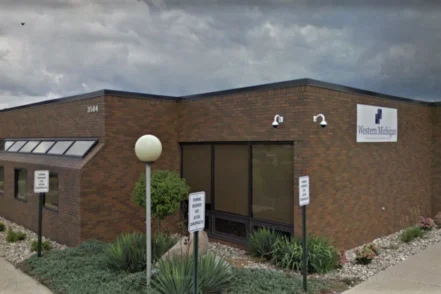 Michigan
Western Michigan Comprehensive Treatment Center
3584 Fairlanes Avenue Sw, Suite 2 Grandville Gaastra, Michigan 49418
-
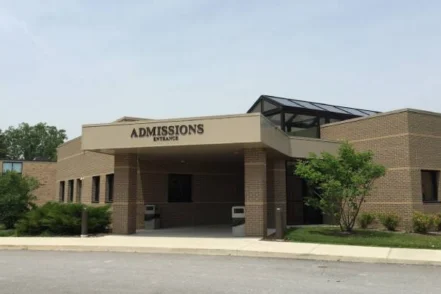 Michigan
Sacred Heart Rehabilitation Center Richmond
400 Stoddard Road Richmond, Michigan 48062
-
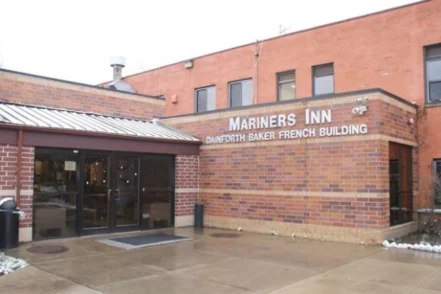 Michigan
Mariners Inn
445 Ledyard Street Detroit, Michigan 48201
-
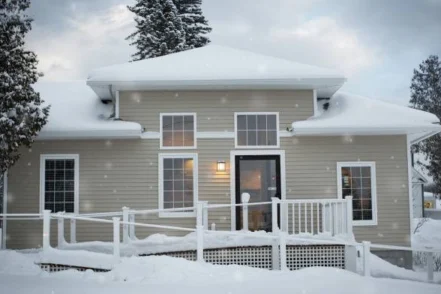 Michigan
Bear River Health at Walloon Lake
2329 Center Street Boyne Falls, Michigan 49713
-
 Michigan
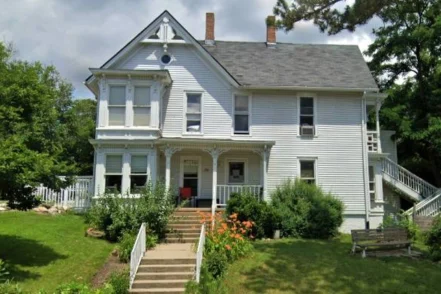
Dawn Farm Spera
502 West Huron Street Ann Arbor, Michigan 48103
-
 Michigan
Ascension Brighton Center for Recovery
12851 Grand River Road Brighton, Michigan 48116
-
 Michigan
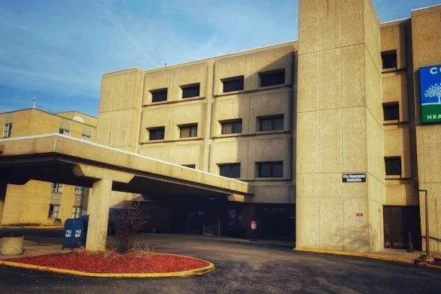
Advanced Rapid Detox
4777 East Outer Drive, Suite 2 West Detroit, Michigan 48234
-
 Michigan
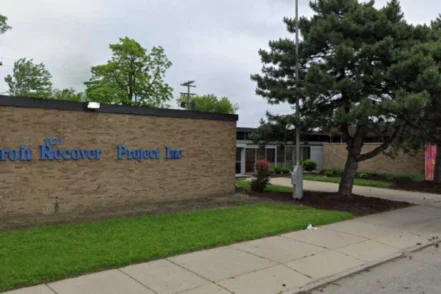
Detroit Recovery Project Eastside Health and Wellness Recovery Resource Center
1121 East McNichols Road Detroit, Michigan 48203
-
 Michigan
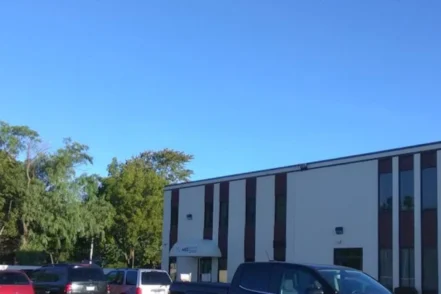
Bio Medical Behavioral Healthcare Roseville
31581 Gratiot Avenue, Suite 100 Roseville, Michigan 48066
-
 Michigan
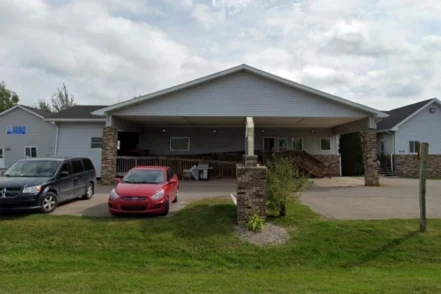
Great Lakes Recovery Centers Womens New Hope House
2655 Ashmun Street Sault Ste. Marie, Michigan 49783
-
 Michigan
Community Medical Services
25639 Ford Road Dearborn Heights, Michigan 48127
-
 Michigan
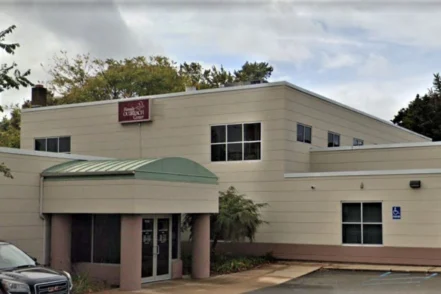
Family Outreach Center Grand Rapids
1939 South Division Avenue Grand Rapids, Michigan 49507
-
 Michigan
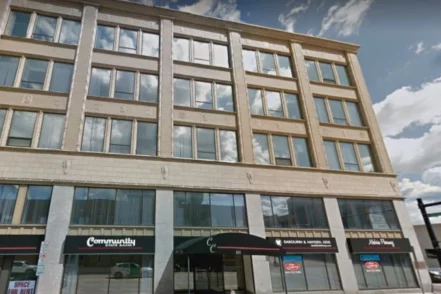
Sacred Heart Rehabilitation Center Saginaw
301 East Genesee Street Saginaw, Michigan 48607
-
 Michigan
Quality Behavioral Health Detroit
745 East Grand Boulevard Detroit, Michigan 48207