Detroit, MI Drug & Alcohol Treatment Centers

14 results nearby

Looking for help with addiction in Detroit, MI?

NameAddressTreatment ProgramsInsuranceMedia

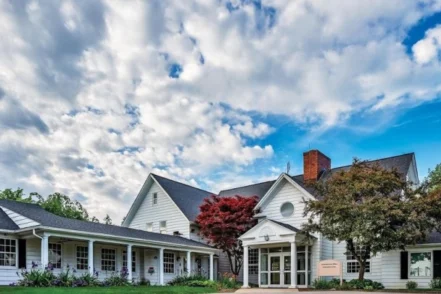
Detox Help Center Michigan

12840 Hamilton Avenue
Highland Park, Michigan 48203

Treatment Programs

  • LGBTQ Friendly Rehab
  • Adult Program
  • +2

Insurance

  • Medicare
  • Private insurance
  • +1

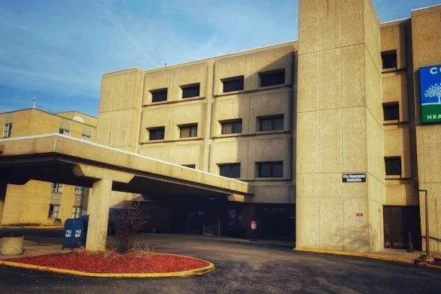
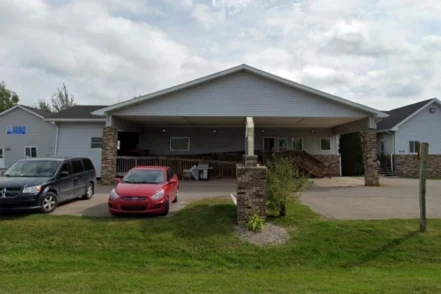
New Center Mental Health Services Phoenix Friendship House

14006 John R Road
Highland Park, Michigan 48203

Treatment Programs

  • Dual Diagnosis
  • Young Adult Rehab
  • +2

Insurance

  • Medicaid
  • Private insurance
  • +4
Get Help Now
Confidential & Free
313-474-9638
Sponsored
  • Learn about treatment options
  • Find helpful resources
  • Available 24/7

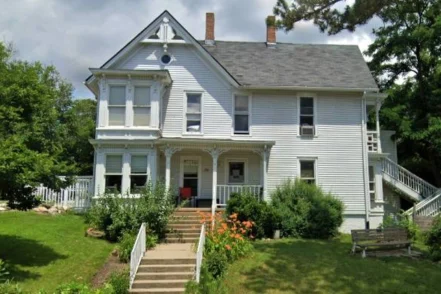
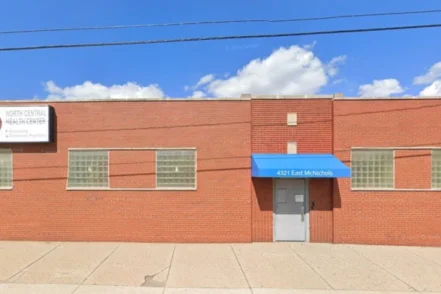
North Central Health Center Hamtramck

4222 East Mcnichols Road
Hamtramck, Michigan 48212

Treatment Programs

  • Dual Diagnosis
  • Adult Program
  • +1

Insurance

  • Medicaid
  • Private insurance
  • +5

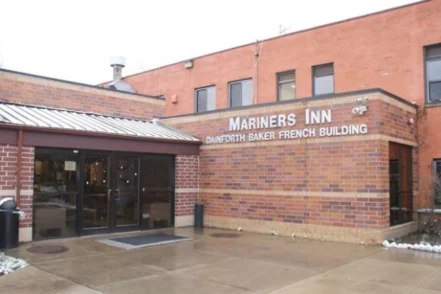
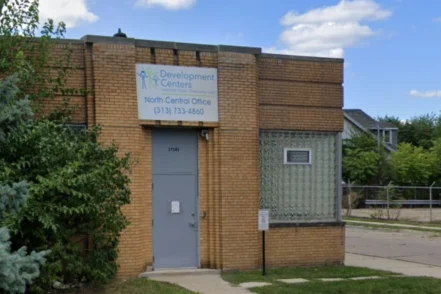
Development Centers

17141 Ryan Road
Hamtramck, Michigan 48212

Treatment Programs

  • Dual Diagnosis
  • Young Adult Rehab
  • +1

Insurance

  • Medicaid
  • Private insurance
  • +4

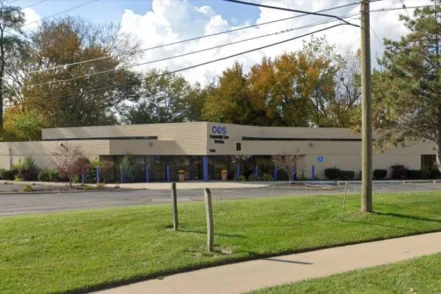
Community Care Services 26180 West Outer Drive

26180 West Outer Drive
Lincoln Park, Michigan 48146

Treatment Programs

  • Dual Diagnosis
  • Adult Program
  • +3

Insurance

  • Medicaid
  • Private insurance
  • +4

Apex Behavioral Health Park Lane Boulevard

6 Park Lane Boulevard, Suite 695
Dearborn, Michigan 48126

Treatment Programs

  • Alcohol Rehab
  • Dual Diagnosis
  • +5

Insurance

  • Private insurance
  • Self-pay options
  • +1

Hegira Health — Turning Point Clubhouse

1605 Fort Street
Lincoln Park, Michigan 48146

Treatment Programs

  • Dual Diagnosis
  • Young Adult Rehab
  • +7

Insurance

  • Medicaid
  • Private insurance
  • +3

Ascension Eastwood Behavioral Health Grosse Pointe

22151 Moross Road
Grosse Pointe, Michigan 48236

Treatment Programs

  • Alcohol Rehab
  • Dual Diagnosis
  • +5

Insurance

  • Medicaid
  • Private insurance
  • +6

Premier Services of Michigan

23700 Van Dyke Avenue
Warren, Michigan 48089

Treatment Programs

  • Alcohol Rehab
  • Opioid Addiction
  • +3

Insurance

  • Private insurance
  • Self-pay options
  • +1

Northeast Guidance Center Family Services

20303 Kelly Road
Harper Woods, Michigan 48225

Treatment Programs

  • Dual Diagnosis
  • Young Adult Rehab
  • +2

Insurance

  • Medicaid
  • Private insurance
  • +6

The Salvation Army Harbor Light Warren

24140 Mound Road
Warren, Michigan 48091

Treatment Programs

  • Alcohol Rehab
  • Dual Diagnosis
  • +4

Insurance

  • Medicaid
  • Private insurance
  • +4

Abundant Community Recovery Services

20102 Harper Avenue
Harper Woods, Michigan 48225

Treatment Programs

  • Drug Rehab
  • Intensive Outpatient Treatment
  • +4

Eastwood Clinics Malinowski Luc Jacqueline

20811 Kelly Road, Suite 103
Eastpointe, Michigan 48021

Treatment Programs

  • Alcohol Rehab
  • Dual Diagnosis
  • +0

Insurance

  • Medicaid
  • Medicare
  • +3

New Oakland Family Centers

26522 Van Dyke Avenue
Center Line, Michigan 48015

Treatment Programs

  • Alcohol Rehab
  • Dual Diagnosis
  • +4

Insurance

  • Medicaid
  • Private insurance
  • +3

Top Drug Rehab Centers in Michigan

Rehab in Detroit: The Local Picture

Detroit holds the largest supply of addiction treatment in Michigan, and most of the people who use it live in Wayne County. Our directory lists 41 treatment centers inside the city limits, covering hospital-affiliated programs, residential programs, withdrawal management, outpatient clinics and recovery housing. If you need something a suburb cannot offer, Detroit is usually where it sits.

The programs are not spread evenly. One concentration runs along the McNichols corridor on the north side and into Highland Park, the small city surrounded by Detroit. A second sits on the near west side around West Grand Boulevard and New Center, where several residential programs stand within a few blocks of one another. A third serves the east side toward Harper Woods and Grosse Pointe, and southwest of downtown Dearborn and Lincoln Park carry the Michigan Avenue and Fort Street corridor.

That geography explains why a Detroit search returns centers in Highland Park, Hamtramck or Lincoln Park. These places work as one treatment market. Highland Park and Hamtramck sit inside Detroit’s borders, and a program eight miles out on Interstate 75 is often a fifteen-minute drive from downtown outside rush hour.

People move across those lines during a stay too, starting residential care in one part of the county and stepping down to outpatient work in another.

Starting Treatment in Detroit: How It Works Here

Michigan puts no county approval step ahead of someone arranging care privately. You call a licensed program, and that program performs the assessment that determines your level of care.

For publicly funded care, Wayne County runs through the Detroit Wayne Integrated Health Network, the county’s behavioral health authority. While it doesn’t offer treatment directly, it holds the provider network and routes people into it. Its access line, 800-241-4949, is answered around the clock. For a mental health crisis at any hour, call 988.

Michigan licenses substance use disorder programs through the Department of Licensing and Regulatory Affairs, and the state runs a public search you can check a program against. A 2026 rule change took outpatient out of the licensed service categories, so for an outpatient clinic, ask the program directly about the credentials of the clinicians who will treat you.

Sober living works differently again. Michigan does not license homes that provide only housing and peer support, so the check available to you is the certified-home registry kept by the Michigan Association of Recovery Resources. Certification is voluntary here, so asking whether a house carries it is a fair question.

Detroit holds close to the full range of levels of care, which is not the case in the towns around it. The residential beds, hospital-affiliated programs and withdrawal management capacity in this county are concentrated in the city, while the western suburbs run heavily to outpatient.

For a resident, matching a level of care to your situation rarely requires leaving town, and a weekday or evening schedule works from most neighborhoods once you have settled on how you will get there.

How People Reach Programs in Detroit

Detroit Metropolitan Wayne County Airport (DTW) sits in Romulus, about 20 miles southwest of downtown. It is the arrival point for anyone flying in for a residential program. Many residential programs will collect a client from the terminal, so be sure to ask admissions and confirm before you book. Otherwise, Detroit Air Xpress runs a nonstop coach between the airport and downtown, and SMART’s FAST Michigan route serves the terminals.

By car, the city is organized around radial freeways and the Mile Road grid. Interstate 75 is the north-south spine, Interstate 94 crosses east to west past the airport, Interstate 96 runs northwest toward Livonia, and M-10 (the Lodge) and M-39 (the Southfield Freeway) carry the inner northwest and the Dearborn side.

Transit deserves an honest answer. DDOT runs the city bus network, including several 24-hour routes, and reaches Hamtramck, Highland Park, Dearborn and Livonia. SMART covers the suburbs, and one DART fare works on both systems with free transfers. The QLINE streetcar runs 3.3 miles on Woodward between downtown and Grand Boulevard.

There is no regional rail. Getting to an outpatient program three or four days a week is realistic from a neighborhood on a strong DDOT line and hard from most other places, so raise the trip with admissions before you agree to a schedule.

What Winter Means for Treatment Here

Detroit gets four real seasons, and winter is the one that changes how treatment works. January highs sit around freezing, lows drop into the high teens, and most years bring a stretch below zero. Snow falls from about November into April, and the seasonal normal at the airport, which is the official observation point, is about 45 inches.

For a 30- to 90-day stay between December and March, pack a heavy coat, boots with grip and layers. Outdoor programming moves indoors for months, so ask what a program’s winter schedule looks like in practice.

The open space here does get used. Belle Isle, the island state park in the Detroit River, is close enough to downtown and the east side to work as a standing weekly outing, and the Riverwalk along the downtown waterfront is flat and easy to reach from the central neighborhoods. On the west side, Rouge Park gives programs in that half of town somewhere to take a group.

Recovery Community in Detroit

Recovery here runs at neighborhood scale rather than concentrating in one district. Recovery housing tends to follow the DDOT routes and the employment corridors, which puts a good deal of it around Midtown, New Center, Southwest Detroit and the steadier east side neighborhoods, because a house within reach of a bus line and a job is a house people can stay in.

For anyone weighing Detroit against traveling elsewhere, the argument for staying is continuity: the step from a residential program into outpatient care and then into recovery housing can happen without changing cities or providers.

For Families Supporting Someone in Detroit

If someone you love has just gone into a Detroit program, expect the first week or two to be quiet. Most residential programs limit outside contact early and then open scheduled visiting hours or family sessions, which is standard practice. Ask admissions for the family contact policy and the dates of any family programming before you book travel.

Where to stay depends on the cluster. For a program in the central city, the New Center and Midtown area puts you minutes from the West Grand Boulevard group; for an east side program, lodging along Interstate 94 toward Grosse Pointe is closer than anything downtown.

Between visits, Belle Isle and the Riverwalk are the easy two. If a program offers a family session and you are given a seat, take it.

Browse the Detroit listings above to compare programs, or see treatment centers across Michigan.

Detroit Treatment FAQs

Common questions about arriving, getting around and what to expect from treatment in Detroit. If a question is not covered here, a program’s admissions team can answer it directly.

Where do I start if I need rehab in Detroit?

Call a licensed program and ask for an assessment. Michigan requires no county approval first, so a program can screen you directly and say what level of care fits. For publicly funded care, start with the Detroit Wayne Integrated Health Network access line at 800-241-4949, which runs 24 hours. Have a rough sense of your use history and a callback number ready.

What is the closest airport to treatment centers in Detroit?

Detroit Metropolitan Wayne County Airport (DTW) in Romulus, about 20 miles southwest of downtown. It serves the whole metro, so it is the right airport whether your program is in the city or in the western suburbs, which sit closer to it than downtown does. Ask admissions about pickup before you book a flight.

How do people without a car attend programs in Detroit?

Mostly by DDOT bus, and it works better in the city than anywhere else in the county. DDOT runs several 24-hour routes and reaches Hamtramck, Highland Park, Dearborn and Livonia, and one DART fare covers DDOT and SMART with free transfers. There is no commuter rail, so map the trip before your first session.

Which part of Detroit has the most treatment programs?

The near west side, around West Grand Boulevard and New Center, holds the densest single cluster, with several residential programs within a short walk of one another. The McNichols corridor and Highland Park hold a second concentration, and the east side runs out toward Harper Woods. Of the 41 centers listed in the city, the listings gather in those three areas more than downtown.

Where should family stay when visiting someone in treatment in Detroit?

Choose the area by cluster rather than by price. New Center and Midtown put you closest to the West Grand Boulevard programs and to downtown, while the Interstate 94 corridor east of the city suits an east side program. Confirm the visiting policy with admissions first, since most residential programs restrict contact for the first week or two.

What is the weather like during treatment in Detroit?

Cold enough to plan around between November and April. January highs hover near freezing, lows fall into the high teens and seasonal snowfall averages about 45 inches. Bring a heavy coat, boots and layers, and expect outdoor programming to move indoors for several months. Summer is mild, with July highs in the low 80s°F.

Editor

Cary Damerow, BA, LPN

Cary Damerow, BA, LPN

Read Bio

Cary has spent the majority of her 30 plus years as an LPN working toward improving the lives of the most marginalized members of her community. She holds a BA in Liberal Arts and is pursuing her Master’s degree, focusing on public health policy where she can combat healthcare disparity.

GET HELP NOW CALL NOW 800-897-4135
Sponsored