Miami, FL Drug & Alcohol Treatment Centers
14 results nearby
Looking for help with addiction in Miami, FL?

Insurance
Treatment Programs
Looking for help with addiction in Miami, FL?
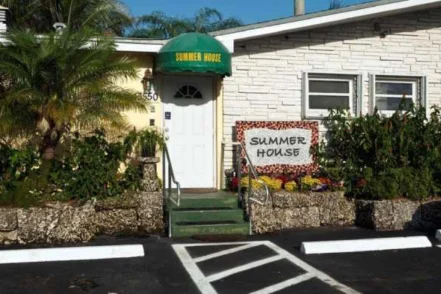
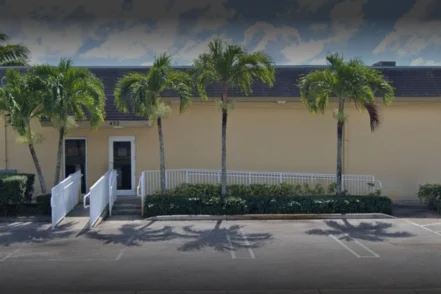
13550 Memorial Highway Miami, Florida 33161
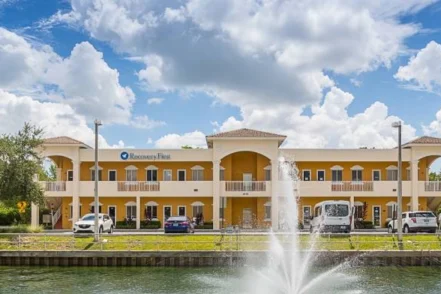
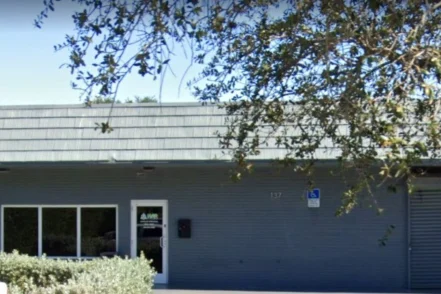
4110 Davie Road Extension Hollywood, Florida 33024
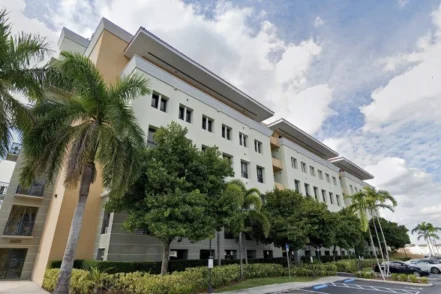
2900W Cypress Creek Road, Suite 2 Fort Lauderdale, Florida 33309
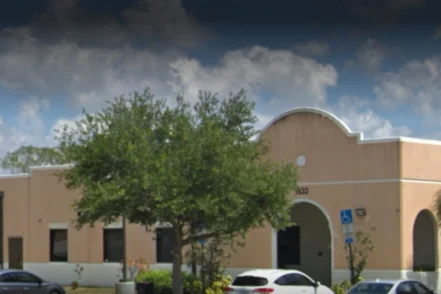
712 West Gore Street Orlando, Florida 32805
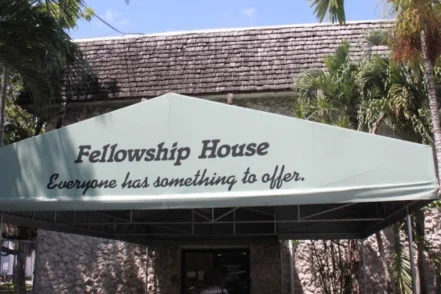
5711 South Dixie Highway Miami, Florida 33143
4790 Northwest 7th Street, Suite 102 Miami, Florida 33126
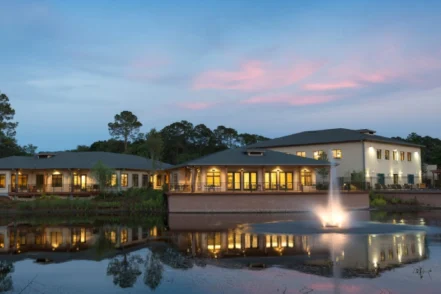
1900 Corporate Square Blvd Jacksonville, Florida 32216
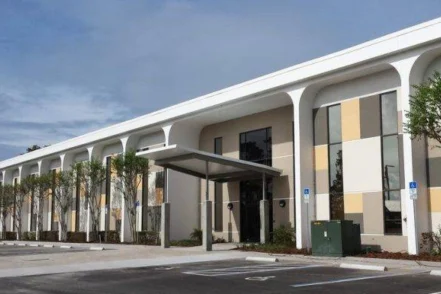
6000 Lake Ellenor Drive Orlando, Florida 32809
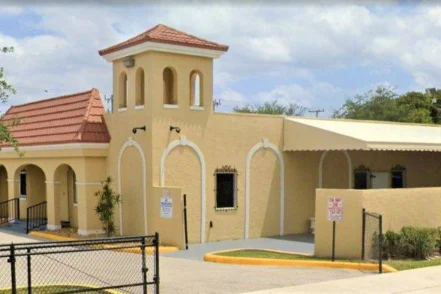
222 Picadilly Street West Palm Beach, Florida 33407
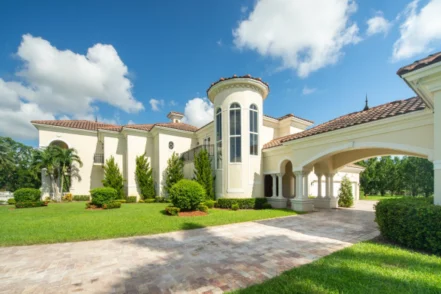
5900 Johnson Street Hollywood, Florida 33021
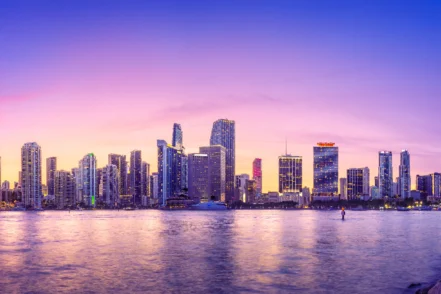
2828 Coral Way, Suite 103 Miami, Florida 33145
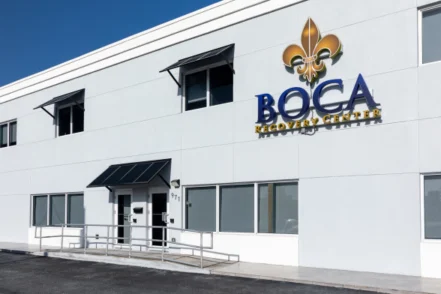
21301 Powerline Road, Suite 311 Boca Raton, Florida 33433
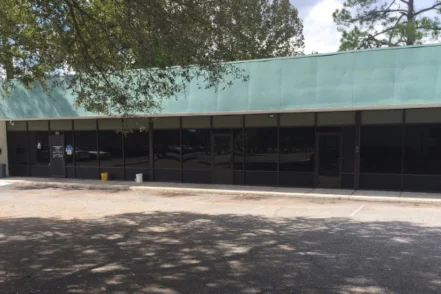
590 Ellis Rd, Building 4 Jacksonville, Florida 32254
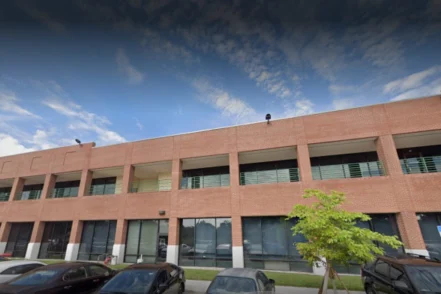
1 Oakwood Blvd, Suite 265 Hollywood, Florida 33020
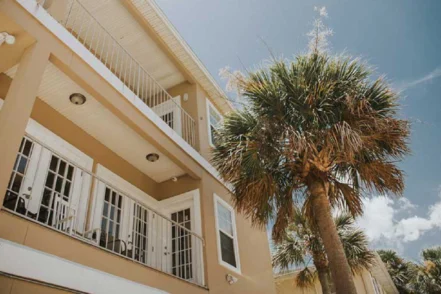
390 16th Ave South Jacksonville Beach, Florida 32250
Miami carries 42 listings in this directory, the largest concentration anywhere in Miami-Dade County, and the range runs the full width of the care continuum. Medical detox, residential and inpatient programs, partial hospitalization, intensive outpatient, and standard outpatient counseling all operate inside the city.
Miami draws people from out of state as well, but most of the programs here serve people who already live in the county. The programs do not sit in one district. They follow the county’s corridors.
A dense band runs through the urban core and the neighborhoods just northwest of it, from Allapattah and Little Havana up through Liberty City and the 79th Street corridor, and that band holds much of the county’s residential and hospital-affiliated capacity. Northwest along the Palmetto Expressway, Hialeah has 3 listings, and further out, Miami Lakes and Miami Gardens each have programs along the I-75 and Golden Glades approaches.
South and west, Coral Way and the blocks near the airport hold a mix of outpatient clinics. That geography is why a Miami search on the map above surfaces centers in Hialeah, Miami Lakes, and towns across the Broward line alongside the 42 in Miami proper.
Miami-Dade works as one connected treatment market. Interstate 95 runs north to south through downtown; State Road 836, the Dolphin Expressway, is the county’s main east-west route, and State Road 826, the Palmetto Expressway, loops the western and northern edge.
Most programs in the county sit within 20 to 30 minutes of one of those three, which matters more than a city line when you are making the drive several times a week.
There is not a county approval step between an adult and a licensed program in Florida. You contact a provider directly, and their staff runs the intake assessment that decides your level of care. Florida Department of Children and Families administers treatment in Florida under Chapter 397, and the department publishes a public licensing search you can use to confirm a program’s status before you call.
Where care is publicly funded, the route differs. Miami-Dade’s safety net runs through Thriving Mind South Florida, the managing entity the state contracts for this county, reachable at 888-248-3111. Sober living is a separate matter. Florida’s certification of recovery residences is voluntary, so a home can legally operate without it.
However, licensed treatment providers are barred from referring anyone to an uncertified residence. The Florida Association of Recovery Residences keeps the directory, and asking whether a home is FARR-certified is the most useful question you can ask about transitional housing here.
Miami itself holds the full range of levels of care, which is not true of the ring around it. Withdrawal management and residential beds concentrate in the city and in the hospital corridor near Civic Center, while Hialeah, Miami Lakes, and the northwest suburbs lean outpatient. If you need detox or a residential bed, expect to look inside Miami. If you are stepping down afterward, your options widen across the county.
For anyone holding a job or classes together, the deciding factor is usually the commute. Programs near the Metrorail spine and in the downtown and Brickell core are the realistic candidates for an evening schedule several nights a week. Addresses out toward Doral, Kendall, or the far south county assume you are driving.
Miami International sits about eight miles west of downtown, usually 15 to 20 minutes by car depending on traffic. Many residential programs offer airport pickup, so confirm it with admissions before you book a flight. Arriving without a car is workable here.
The MIA Mover connects the terminals to the Miami Intermodal Center, and the Metrorail Orange Line runs from there into downtown and Brickell roughly every 15 minutes from around 5 a.m. to midnight. Fort Lauderdale-Hollywood International is often the easier arrival for programs at the north end of the county.
By road, three routes are available. Interstate 95 is the north-south spine through downtown toward the Golden Glades Interchange. State Road 836, the Dolphin Expressway, is the county’s only complete east-west throughway, running from the Turnpike’s Homestead Extension past the south side of the airport to I-95, and it backs up regularly between the Palmetto and LeJeune Road.
State Road 826, the Palmetto Expressway, carries the western and northern loop. Most of this network is tolled and runs on SunPass, which is worth sorting out early if you will be driving to a program on a schedule.
For outpatient care, transit is usable in parts of the county and not in others. Metrorail’s two lines both run from Dadeland South, with the Orange Line ending at the airport and the Green Line running northwest through Allapattah and Brownsville to Hialeah and Palmetto.
Metromover circulates free through downtown and Brickell. Tri-Rail connects north into Broward and Palm Beach, transferring at MiamiCentral and at the Tri-Rail and Metrorail Transfer station in Hialeah. West Dade, Doral, and the southern end of the county are car territory for the last stretch.
Miami has two primary seasons, rather than four. The dry season, November through April, brings highs in the mid-70s to low 80s°F and comfortable humidity, and it is the easiest stretch of the year to be outside. The wet season, May through October, brings highs near 90°F, humidity above 75 percent, and afternoon thunderstorms that arrive between roughly 2 and 5 p.m. on most days from June through September.
Those storms usually pass inside an hour, and mornings stay clear, so outdoor programming can keep the summer schedule, just earlier in the day. Pack light breathable clothing and rain gear for a summer stay, and one light layer for December and January evenings.
Hurricane season runs June 1 through November 30, with the highest risk from August into October. If your stay falls inside that window, ask the program what its storm plan is and how it keeps families informed during a watch. A well-run program will have a clear answer.
For open space, Oleta River State Park on Biscayne Bay is the largest urban park in Florida at 1,033 acres, with about 15 miles of trails and roughly half an hour from downtown, and the Biscayne Bay waterfront closer in gives people somewhere flat and open to walk on an ordinary afternoon.
Recovery life here is spread across the county rather than concentrated in one neighborhood, which mirrors how the treatment itself is distributed. The city’s outdoor culture carries a lot of it, with the bay, the beaches, and year-round walking and cycling weather, and Miami’s alcohol-free social scene has grown alongside its restaurant and coffee culture.
Language matters here in a way it does not in most American cities. Spanish is the everyday language across much of Miami-Dade, and if it is the language you are most comfortable in, ask admissions directly what a program offers rather than assuming.
For someone finishing a program, the real question is whether to stay near the network built during treatment or head home, and Miami is large enough that staying comes with a community already in place.
Most residential programs restrict contact for the first days or weeks and then open scheduled visiting. That is standard practice and not a sign that anything is wrong. Ask admissions for the family contact policy and the dates of any family programming before you book travel, because those dates are the ones worth building a trip around.
For lodging, base yourself near the program rather than near the beach. Downtown and Brickell put you close to the urban core clusters and on the Metrorail line back to the airport, while a stay nearer Miami Lakes or the northwest county makes more sense if the program sits out that way.
Between visits, the Biscayne Bay waterfront and Bayfront Park downtown give you somewhere unhurried to sit, and Oleta River is worth the drive for a longer afternoon. If the program offers a family session or an education group, take the seat. It is also the clearest window you will get into what the aftercare plan looks like once your loved one comes home.
Browse the Miami listings above to compare programs, or see the Florida state page for treatment across the rest of the state.
Common questions about arriving, getting around, and what to expect from treatment in Miami. If a question is not covered here, a program’s admissions team can answer it directly.
You can get into rehab in Miami by calling a licensed program directly and asking for an assessment. Florida does not route adults through a county approval step first, and the program’s own staff decide the level of care from that assessment.
You can confirm a provider is licensed through the Florida Department of Children and Families licensing search before you call. If the care will be publicly funded, Miami-Dade’s managing entity, Thriving Mind South Florida, is the place to start at 888-248-3111.
Miami International is the default, about eight miles west of downtown and usually 15 to 20 minutes by car. Many residential programs arrange pickup, so ask admissions before booking. Without a car, the MIA Mover links the terminals to the Miami Intermodal Center and the Metrorail Orange Line runs from there into downtown and Brickell. For programs at the north end of the county, Fort Lauderdale-Hollywood International is often the shorter trip.
Not if the program sits near the rail spine. Metrorail’s Orange and Green Lines cover the urban core, the airport, and the northwest corridor through Hialeah, and Metromover circulates free through downtown and Brickell. Programs in Doral, Kendall, and the south county generally need a car for at least the final stretch, so if you will be attending several evenings a week without one, weight your choice toward a program near a station.
Miami’s 42 listings sit inside a larger connected market that reaches Hialeah, Miami Lakes, Miami Gardens, and over the Broward line into Hollywood and Pembroke Pines. Most of those are 20 to 30 minutes away on I-95, State Road 836, or State Road 826. The map shows that wider radius because people here choose a program by drive time rather than by city limits.
Light breathable clothing year-round, plus rain gear if your stay falls between May and October, when afternoon thunderstorms arrive most days between about 2 and 5 p.m. Add one light layer for December and January evenings. If you are arriving during hurricane season, which runs June 1 through November 30, ask the program what it expects families and clients to have on hand.
Certification exists but it is voluntary, so a recovery residence can legally operate in Miami without it. What gives certification weight is the referral rule: a licensed treatment provider cannot refer you to a home that is not certified. The Florida Association of Recovery Residences maintains the directory, so ask any home you are considering whether it is FARR-certified and check the name against that list.