

Miami, FL Drug & Alcohol Treatment Centers

14 results nearby

Looking for help with addiction in Miami, FL?

NameAddressTreatment ProgramsInsuranceMedia

Dade Family Counseling Hialeah

1140 W 50Th Street, Suite 407
Hialeah, Florida 33012

Treatment Programs

  • Alcohol Rehab
  • Opioid Addiction
  • +4

Insurance

  • Self-pay options
  • Sliding scale payment assistance

Institute for Child and Family Health West 66th Street

430 West 66th Street
Hialeah, Florida 33012

Treatment Programs

  • Dual Diagnosis
  • Adult Program
  • +1

Insurance

  • Medicaid
  • Private insurance
  • +3
Get Help Now
Confidential & Free
786-833-7118
Sponsored
  • Learn about treatment options
  • Find helpful resources
  • Available 24/7

Total Rehab Services Hialeah

14505 Commerce Way, Suite 511
Hialeah, Florida 33016

Treatment Programs

  • Alcohol Rehab
  • Dual Diagnosis
  • +7

Insurance

  • Private insurance
  • Self-pay options

WAR Network (We Are Recovery)

137 Southeast 1st Avenue, Suite #133
Hallandale Beach, Florida 33009

Treatment Programs

  • Drug Rehab
  • Adult Program
  • +2

Insurance

  • Private insurance
  • Self-pay options

Reawakening Wellness Center

3600 Red Road
Miramar Beach, Florida 33025

Treatment Programs

  • Alcohol Rehab
  • Dual Diagnosis
  • +6

Insurance

  • Private insurance
  • Self-pay options

WestCare Village South Pembroke Pines

1633 Poinciana Dr
Pembroke Pines, Florida 33025

Treatment Programs

  • Dual Diagnosis
  • Adult Program
  • +0

Insurance

  • Self-pay options
  • Private insurance
  • +2

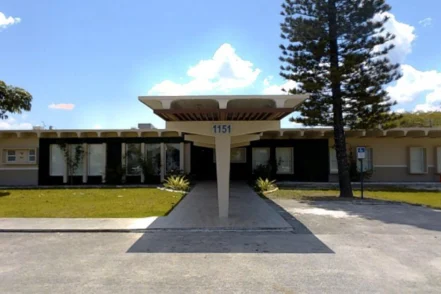
Pines Recovery Life

1151 Poinciana Drive
Pembroke Pines, Florida 33025

Treatment Programs

  • Drug Rehab
  • Adult Program
  • +5

Insurance

  • Private insurance
  • Self-pay options

Recovery In The Light

5001 Hollywood Boulevard
Hollywood, Florida 33021

Treatment Programs

  • Alcohol Rehab
  • Dual Diagnosis
  • +8

Insurance

  • Self-pay options
  • Private insurance

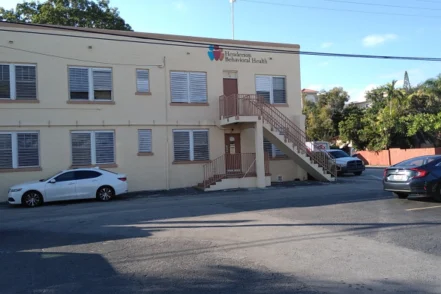
Henderson Behavioral Health

1957 Jackson Street
Hollywood, Florida 33020

Treatment Programs

  • Alcohol Rehab
  • Dual Diagnosis
  • +10

Insurance

  • Medicaid
  • Private insurance
  • +6

Heel to Toe IoniCleanse – Detox

1919 Van Buren Street
Hollywood, Florida 33020

Treatment Programs

  • Alcohol Rehab
  • Opioid Addiction
  • +8

Insurance

  • Self-pay options
  • Private insurance

The Treatment Center of the Palm Beaches

8362 Pines Boulevard, Suite 149
Pembroke Pines, Florida 33024

Treatment Programs

  • Alcohol Rehab
  • Opioid Addiction
  • +4

Insurance

  • Self-pay options

United Recovery Project Hollywood

5900 Johnson Street
Hollywood, Florida 33021

Treatment Programs

  • Alcohol Rehab
  • Dual Diagnosis
  • +4

Insurance

  • Self-pay options
  • Private insurance

Joe DiMaggio Children’s Hospital – Community Youth Services

7031 Taft Street
Hollywood, Florida 33024

Treatment Programs

  • Alcohol Rehab
  • Dual Diagnosis
  • +9

Insurance

  • Self-pay options
  • Sliding scale payment assistance

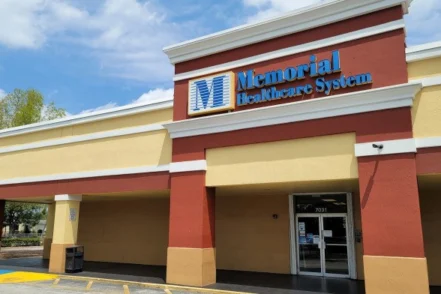
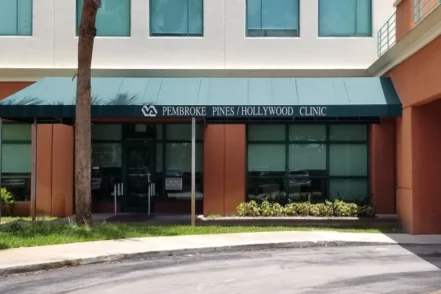
Miami VA Healthcare System Pembroke Pines Community Based OP Clinic

7369 W. Sheridan St., Suite 102
Hollywood, Florida 33024

Treatment Programs

  • Alcohol Rehab
  • Dual Diagnosis
  • +7

Insurance

  • Private insurance
  • Self-pay options
  • +3

Top Drug Rehab Centers in Florida

Rehab in Miami: The Local Picture

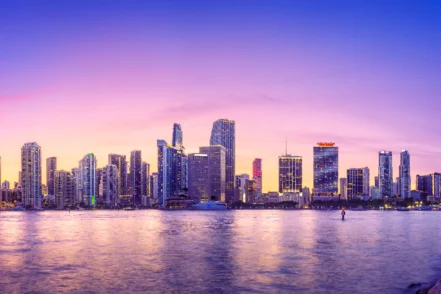
At 42 listings, Miami offers the largest concentration of treatment providers in Miami-Dade County. The city has a mix of programs that cover a full range of care from detox to outpatient treatment. Since Miami is the area’s hub for clinical treatment, you can easily transition through several levels of care without leaving the city.

You’ll find the main concentration of programs in the central medical district near downtown. In this region, hospital affiliated outpatient and detox services are located close to Jackson Memorial and the University of Miami health campus, as well as in portions of Brickell and Coral Way.

Treatment options also spread out toward South Miami, Hialeah, Miami Beach, and North Miami Beach. Each is home to a portion of the county’s total treatment providers.

You’ll notice that a Miami search includes programs in these neighboring cities. This is due to how the treatment market is connected here. Miami-Dade acts as one connected area that’s tied together by the Palmetto Expressway on the west side and US-1 running the length of the county. This means a program 10 or 15 minutes away is still a realistic option if you’re searching in Miami.

If you’re debating between residential and outpatient options, you can find both within that same search radius. So it makes sense to take in the area as one market rather than several smaller ones.

Getting Into Treatment in Miami: How It Works Here

Treatment facilities here are licensed by the Department of Children and Families (DCF) Office of Licensing under Chapter 397. DCF licenses each service component separately (detox, residential and outpatient). So a call to DCF to confirm a program’s licensure is a good first step.

What you don’t need to do is get county pre-approval before entering treatment in Florida. You can contact a facility directly and ask for an assessment.

Florida doesn’t offer a statewide treatment center locator tool as some states do. So your best option is to use a directory like this one to search regions rather than the entire state.

In Miami itself, you’ll find every level of care, from medical detox to residential stays to day programs. This isn’t the case in smaller Miami-Dade cities. In most of these cities, outpatient counseling is the main option.

If you’re looking into sober living homes, these get certified through a state recognized certification framework that’s connected to the Florida Association of Recovery Residences. However, the level of the residence determines how strictly that certification applies, so you shouldn’t assume every listing carries the same certification. Consider confirming the status directly with FARR or DCF.  You can learn more about this type of care in our sober living and transitional housing guide.

Logistically, Miami offers a Metrorail and Metromove that make getting to treatment more feasible than it is in some other cities. Accessing these public transport options makes getting to outpatient sessions several evenings a week easier than it might be in the county’s more car dependent suburbs.

Arriving in Miami for Treatment

Miami International Airport (MIA) is located about 15 to 20 minutes from downtown Miami. This makes it the main point of entry if you’re traveling here for treatment. Many residential programs offer airport pickup, so check with the facility’s admissions team before you book a flight.

Train and bus travel are also options. Amtrak’s Silver Meteor and Silver Star both offer daily service into Miami from the Northeast corridor. And the Brightline’s higher-speed rail line connects Miami to Fort Lauderdale and West Palm Beach with a stop directly at MIA. You can also access intercity bus service through the Golden Glades Multimodal Facility.

Within the city, Miami-Dade’s Metrorail Green Line will get you to Hialeah, the airport area, and stations near downtown, Metromover operates downtown, and the MIA Mover offers free connections from the airport to the rail system.

These transportation options make it feasible to get to outpatient care without a car. However, if your program is located off the Metrorail corridor, you should plan on using a car or rideshare for at least part of the trip.

The Recovery Environment: Heat, Storms, and Green Space in Miami

Miami’s climate is hot and humid for most of the year. You can expect afternoon thunderstorms in the summer and milder, drier stretches from December through February. Atlantic hurricane season is from June through November.

These factors are worth considering as you make travel plans and a packing list. Lightweight, breathable clothing is best for most of the year. It’s also good to keep a flexible mindset about outdoor programming during storm season. It’s a factor that can shift a schedule indoors on short notice.

Despite the dense city environment, green space is part of daily life for people in treatment here. Bayfront Park and the Underline trail give people a walkable place to decompress between treatment sessions. Simpson Park and the grounds at Vizcaya offer quieter, shaded corners near the medical district. Walking groups and sponsors commonly use these spaces since they’re located close to treatment programs.

Sober Life in Miami

You’ll notice that recovery support isn’t concentrated in one district but instead is spread across the city of Miami. Sober living homes are scattered through various residential neighborhoods. Peer support meetings are hosted in community centers and churches across the county. This gives you many options to find support that fits your needs and schedule.

Once a treatment program ends, many people stay in the area due to the warm climate, waterfront location, an outdoor culture that encourages routine exercise and a diverse international community. If you’re deciding whether to establish an aftercare life in Miami, the answer will depend on whether the climate and pace of life here suit you.

For Families Supporting Someone in Miami

It’s common for programs to limit contact with loved ones for the first few weeks of treatment. Check with admissions about their contact policy and visiting dates before you book travel.

If you’re flying in, your best options for accommodations are near downtown, Brickell or the medical district. This puts you within easy reach of both MIA and the city’s main cluster of programs without a long drive.

While you’re here, Bayfront Park, the Underline, and the grounds at Vizcaya are easy, low-key places to spend a few hours without needing a car. And if the program offers a family education or family therapy component, take advantage of it. This is usually the most direct way to understand what the next stage of treatment will look like, including any aftercare or outpatient transitions.

You can browse the Miami listings above to compare programs directly, or you can visit the Florida state page to view additional options.

Miami Treatment FAQs

Included here are common questions about arriving, getting around and what to expect from treatment in Miami. If a question isn’t covered here, a program’s admissions team can answer your inquiries directly.

How do I get into rehab in Miami?

There’s no county pre-approval step in Florida, so your first call is to a DCF-licensed provider directly to ask for a comprehensive assessment. Miami is home to the county’s greatest number of licensed detox, residential and outpatient programs, so it’s usually the best place in Miami-Dade to find every level of care.

Which airport should I fly into for rehab in Miami?

Miami International Airport (MIA). This is lcoated about 15 to 20 minutes from downtown and the central medical district where much of the city’s care is based. The free MIA Mover also connects the airport to the Metrorail system, which is useful if you’re arriving without a rental car.

Can I get to treatment in Miami without a car?

Yes. Miami is the one city in Miami-Dade where this is realistic due to the Metrorail Green Line, the free downtown Metromover and the MIA Mover connector. If your program is located outside the reach of these public transportation lines, you should plan on a car or rideshare options.

Where are most of Miami's treatment centers located?

Miami’s 42 listings are at the center of a Miami-Dade market that extends into Hialeah, South Miami and Miami Beach. You’ll find the heaviest concentrations near the central medical district close to Jackson Memorial and the University of Miami health campus. Additional programs are in Brickell and Coral Way.

Can I keep working while in outpatient treatment in Miami?

Yes. Many people do, especially in the downtown and medical districts where Metrorail and Metromover make evening sessions reachable without a car.

How do I check whether a sober living home in Miami is licensed?

You can confirm a home’s status directly with FARR or the Department of Children and Families. Since recovery residences are certified differently depending on their level of care, it’s best to check each home’s certification rather than make any assumptions.

Author

Gayle Morris, BSN, MSN

Gayle Morris, BSN, MSN

Read Bio

Gayle Morris, BSN, MSN, has over two decades of nursing practice. She has published and lectured throughout her career and founded Indiana’s first conference for schoolteachers focused on the needs of children with special needs. As a child, her dream was to become a writer, something she made a reality in 2005 and continues today, writing health and wellness content to help people improve their overall health.

GET HELP NOW CALL NOW 800-897-4135
Sponsored