
Rhode Island Seeks Permanent Funding for Mental Health Referral Hotlines
Published April 28, 2026


Rhode Island lawmakers are fighting to preserve two mental health hotlines that refer families to behavioral health treatment before a crisis spirals out of control. Without permanent funding, both programs could go dark. It would leave children, new mothers and primary care doctors without access to mental health treatment facilities across the state.
Although the smallest state in the country, Rhode Island features a wide range of programs to battle substance use disorders. The Ocean State offers inpatient and outpatient services in residencies and modern facilities. Referrals may be required to enter these programs, however, and hotline proponents argue that, for many, accessibility is at stake.
The Programs at Risk
MomsPRN and PediPRN are psychiatric consultation hotlines that allow primary pediatricians, OB-GYNs and general internists to consult directly with psychiatrists for referrals, medication guidance and behavioral health support for mothers and children.
The need for these programs stems from a well-documented gap in specialist service access. Referral wait times to see a psychiatrist can stretch into weeks or months, but MomsPRN and PediPRN allow primary care physicians to reach a specialist by phone and receive immediate recommendations on how to treat a patient, prescribe psychiatric medications or determine next steps.
PediPRN connects doctors with Bradley Hospital specialists who can advise when a patient shows symptoms of anxiety, ADHD, depression or autism spectrum disorder. These are conditions that, left untreated, frequently develop into more complex behavioral health challenges, including co-occurring substance use disorders.
The Funding Cliff & Legislative Push
Sen. Alana DiMario from Narragansett is sponsoring legislation to fold both hotlines into Rhode Island’s Healthcare Services Funding Plan Act. The Act is financed through insurer contributions and gives the state’s Department of Health a way to allocate regular funding to both programs.
The urgency is real. While the Governor’s proposed budget includes funding for MomsPRN, it doesn’t include funding for PediPRN. Without a legislative fix, PediPRN will exhaust its resources by the end of September 2026. Sustaining the program through FY2027 would require $630,000.
The programs have survived through a patchwork of funding sources, including older federal grants. DiMario has argued that this instability undermines the programs’ ability to expand. “I can’t stress enough how important the idea that stability and certainty will really help these programs continue to grow and flourish,” she noted.
Mental Health & Addiction Connection
The stakes extend well beyond individual consultations. Young people who don’t receive timely behavioral health intervention have significantly elevated risks for developing co-occurring disorders later in life. Early access to mental health treatment facilities and services can effectively prevent dual diagnosis conditions from taking hold.
Dual diagnosis describes the overlap of a psychiatric condition with substance use disorders. Research consistently shows that integrated treatment to address both conditions simultaneously leads to far better outcomes than treating each in isolation. Programs like PediPRN identify and triage behavioral health concerns in childhood to reduce the long-term burden on residential treatment centers and crisis services.
Rhode Island’s broader legislative push reflects this understanding. A separate bill in the Senate’s 2026 health care package would codify the state’s 988 suicide hotline and its local operator BH Link into state law to require full funding if federal money disappears. More than 90% of 988 calls are resolved over the phone, with no emergency services needed.
Possible Treatment Approaches
The MomsPRN and PediPRN programs rely on consultations, rather than direct treatment. But they facilitate access to evidence-based care. When a pediatrician consults through PediPRN about a child showing signs of depression or anxiety, the specialists at Bradley Hospital can recommend approaches like cognitive behavioral therapy, medication evaluation or interventions or referral to behavioral treatment centers for more intensive services.
For mothers experiencing postpartum depression or perinatal mood disorders, MomsPRN similarly routes providers toward evidence-based treatment options, including therapy, medication management and referrals to mental health treatment facilities equipped to handle perinatal behavioral health.
Finding Comprehensive Mental Health Treatment
If you or your loved ones has depression or a co-occurring disorder, access to a comprehensive mental health or dual diagnosis treatment program makes a critical difference.
Across Rhode Island and nationally, residential and outpatient behavioral health programs in our directory are equipped to treat the full spectrum of mental and behavioral health conditions. Feel free to call 800-908-4823 (Sponsored) or browse online today.
Author

Courtney Myers, MS
Read Bio
Courtney Myers has more than 15 years of experience in online writing and editing. Since graduating from N.C. State University with an MS in Technical Communication, she’s helped clients improve their visibility and reach through expert-level content creation. She specializes in addiction recovery and behavioral healthcare topics.
Editor

Peter Lee, PhD
Read Bio
Peter W.Y. Lee is a writer and historian of American history during the Cold War. His primary focus is the relationship between youth and popular culture and its impact on U.S. society during the twentieth century. He has published widely on how the public has used popular culture as a mechanism to address political and social shifts throughout time
Articles About Alcohol & Treatment

Rhode Island Seeks Permanent Funding for Mental Health Referral Hotlines
Rhode Island Seeks Permanent Funding for Mental Health Referral Hotlines Published April 28, 2026 Rhode Island lawmakers are fighting to

Social Media Use Linked to Youth Mental Health Decline
Social Media Use Linked to Youth Mental Health Decline Published April 27, 2026 Heavy social media use is driving a

College Students Face Growing Mental Health Crisis on Campus
College Students Face Growing Mental Health Crisis on Campus Published April 25, 2026 Depression and suicidal ideation among college students
Browse Treatment Centers by State
-
 Rhode Island
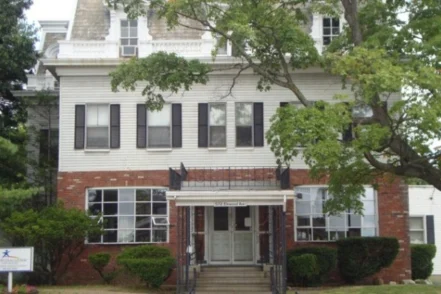
Teen Challenge Rhode Island
572 Elmwood Avenue Providence, Rhode Island 02907
Treatment Programs
- Alcohol Rehab
- Dual Diagnosis
- Opioid Addiction
- +3
-
 California
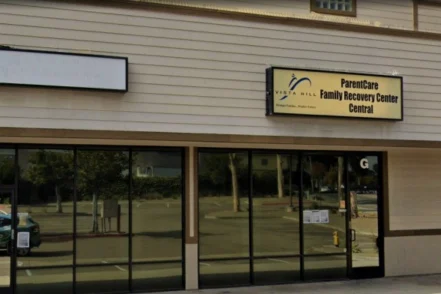
Vista Hill Foundation Parent Care
4125 Alpha Street, Suite G San Diego, California 92113
Treatment Programs
- Alcohol Rehab
- Dual Diagnosis
- Opioid Addiction
- +3
-
 California
A Lujan Recovery Programs
2183 West San Jose Avenue Fresno, California 93711
Treatment Programs
- Alcohol Rehab
- Opioid Addiction
- Drug Rehab
- +3
-
 Pennsylvania
Abraxas I
165 Abraxas Road Marienville, Pennsylvania 16239
Treatment Programs
- Alcohol Rehab
- Dual Diagnosis
- Opioid Addiction
- +3