
Nurse Practitioners Now Lead Antipsychotic Prescribing for Older Adults
Published April 21, 2026

More nonphysician clinicians are prescribing antipsychotic medications for older adults, reflecting a dramatic shift in mental health care for seniors. A new study found that the number of these prescriptions written by advanced practice registered nurses (APRNs) and physician assistants (PAs) for older adults on Medicare has tripled in 10 years. The numbers rose from 13.8% of all claims in 2013 to 39.6% in 2023. Meanwhile, the share written by psychiatrists or other MD-holding physicians dropped from 48.4% to just 32.4% at a rate of 3% per year.
Given that the total antipsychotic claims in Medicare grew from 22.4 million to 24.1 million during that decade, the shift has major implications for mental health treatment facilities, patients, and families. The findings reflect sweeping changes in the behavioral health workforce and raise important questions about how older adults with serious mental illness, including those with co-occurring disorders, now receive care.
A Psychiatrist Shortage is Reshaping Seniors’ Mental Health Care
The study, led by researchers at the University of Texas Health Science Center at Houston, identified a “critical shortage of psychiatrists” as a key driver of the shift. They found that psychiatrists have the highest Medicare opt-out rate of any specialty at around 8%. The drop creates a significant access barrier for older patients who rely on Medicare coverage to afford mental health treatment.
As psychiatrist availability contracts, APRNs and PAs have increasingly stepped into prescribing roles. The researchers noted that psychiatric mental health nurse practitioners receive specialized training and certifications. They can offset shortages while caring for the special needs of older adults.
This trend played out in both rural and urban communities. Rural areas saw the largest shift away from primary care physicians toward APRNs and PAs, while urban markets saw greater movement away from psychiatrists.
Antipsychotic Treatment for Older Adults in Nursing Facilities
Much of this prescribing shift may be concentrated in nursing homes, where antipsychotic use is significantly higher. Prior research found that roughly 15% of Medicare nursing home residents over age 75 received an antipsychotic, compared to just 3% of adults living in the community.
This matters enormously for dual diagnosis treatment. Many older adults in residential and long-term care settings carry co-occurring conditions that require careful, integrated psychiatric management. If left untreated, these multiple disorders can lead to addiction among seniors.
When prescribing responsibility shifts across clinician types, continuity and coordination of care become critical. For instance, a recent HHS Office of Inspector General report found that some nursing home staff overdiagnosed dementia patients with schizophrenia to justify antipsychotic prescriptions as a behavioral management tool, not a therapeutic one.
Not all researchers see the shift as problematic, however. Dr. James Goodwin, who specializes in geriatric medicine, argued that nursing home residents treated by APRNs often have better outcomes than those treated by physicians, largely because APRNs tend to be full-time onsite providers, not occasional visitors.
What Comprehensive Treatment Should Look Like
For families and patients navigating behavioral health treatment centers for an older adult, these findings underscore the importance of asking the right questions about who is managing psychiatric medications and whether that care is truly integrated.
Evidence-based care for older adults with psychiatric needs or dual diagnosis conditions should ideally include:
- Psychiatric evaluation or intervention by a licensed psychiatrist or psychiatric practitioner with geriatric experience
- Integrated behavioral health that addresses both mental health and any co-occurring substance use or cognitive conditions
- Therapy alongside medical detox, including cognitive behavioral therapy (CBT) or other evidence-based modalities, rather than medication management alone
- Transparent medication protocols regarding prescription duration, dosing schedules and new versus refill status.
Finding Mental Health Care for Older Adults
If you or an older family member needs mental health treatment, whether in a residential setting, outpatient program or long-term care facility, it’s essential to find providers who offer coordinated psychiatric care.
Mental health treatment facilities that specialize in older adults or dual diagnosis treatment can provide integrated support. Look for behavioral treatment centers with onsite psychiatric staff, clear medication management protocols and programs that treat the whole person and not just symptoms.
Verified and accessible care centers are available no matter the location. Call 800-908-4823 (Sponsored) or go through our directory to find comprehensive mental health treatment facilities and dual diagnosis treatment programs and get started today.
Author

Courtney Myers, MS
Read Bio
Courtney Myers has more than 15 years of experience in online writing and editing. Since graduating from N.C. State University with an MS in Technical Communication, she’s helped clients improve their visibility and reach through expert-level content creation. She specializes in addiction recovery and behavioral healthcare topics.
Editor

Peter Lee, PhD
Read Bio
Peter W.Y. Lee is a writer and historian of American history during the Cold War. His primary focus is the relationship between youth and popular culture and its impact on U.S. society during the twentieth century. He has published widely on how the public has used popular culture as a mechanism to address political and social shifts throughout time
Articles About Alcohol & Treatment

Rural Maine Raffle Backs Mental Health Treatment Facilities
Rural Maine Raffle Backs Mental Health Treatment Facilities Published October 22, 2026 The proceeds from a raffle in Maine went to mental health facilities in Aroostook County to assist rural residents who don’t have resources. The 5th Annual Fall Spectacular was sponsored by the Center for Advancement of Rural Living in Caribou and directed every…

Ohio Drug Court Graduates Credit Dual Diagnosis Treatment
Ohio Drug Court Graduates Credit Dual Diagnosis Treatment Published October 21, 2026 Three men graduated from Fulton County Drug Court this month with more than a certificate. Scott Ward, Michael Burch and Mathias Petersen left the program employed and two had more than two years of sobriety under their belts. Each story also reflected the…

Substance Abuse Treatment Expands Across Eight Alabama Prisons
Substance Abuse Treatment Expands Across Eight Alabama Prisons Published October 20, 2026 Out in Alabama, Governor Kay Ivey has awarded $280,806 to the Alabama Department of Corrections to fund the Residential Substance Abuse Treatment program in eight state jails for 12 months. These facilities include Julia Tutwiler Prison for Women and William E. Donaldson Correctional…
Browse Treatment Centers by State
-
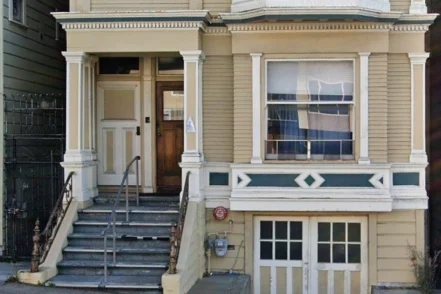 California
Progress Foundation Rypins Senior Program
1405 Guerrero Street, San Francisco, CA 94110
Treatment Programs
- Dual Diagnosis
- Adult Program
- Senior Rehab
- +3
-
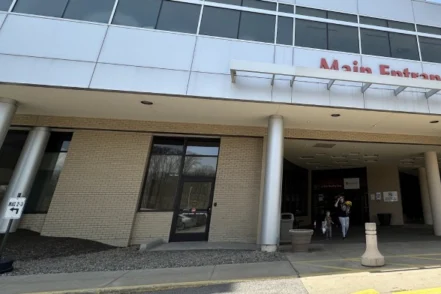 Ohio
OhioUniversity Hospitals Parma Medical Center Behavioral Center for Older Adults
7007 Powers Boulevard Cleveland, Ohio 44129
Treatment Programs
- Dual Diagnosis
- Adult Program
- Senior Rehab
- +2
-
 Virginia
Piedmont Geriatric Hospital
5001 East Patrick Henry Highway Burkeville, Virginia 23922
Treatment Programs
- Dual Diagnosis
- Senior Rehab
- +-1
-
 Iowa
IowaVisiting Nurse Services of Iowa
1111 9Th Street, Suite 380 Des Moines, Iowa 50314
Treatment Programs
- Dual Diagnosis
- Young Adult Rehab
- Adult Program
- +1