
New York Approves Single License for Co-Occurring Disorders Care
August 28, 2026

The reason so many people with co-occurring disorders end up treated for one condition and referred out for the other is not clinical disagreement.
Everyone in the field agrees integrated care works better. The obstacle is paperwork, and New York has just gone after it directly.
Governor Kathy Hochul signed legislation, S.3051B, authorizing the commissioners of the state Office of Mental Health and the Office of Addiction Services and Supports to jointly establish a single set of licensing standards for integrated behavioral health services in outpatient centers. The bill was sponsored by State Senator Pete Harckham.
Why Two Licenses Produced Two Systems
Until now, a New York clinic wanting to treat both a mental health condition and a substance use disorder generally had to satisfy two separate regulatory regimes, each with its own construction requirements, operating rules, reporting obligations and monitoring.
That is expensive and slow, so many providers simply picked one.
The consequence lands on patients, who are asked to manage two intakes, two treatment plans, two sets of paperwork, and two waitlists for conditions that are happening to them simultaneously.
The new law lets the two agencies write one standard covering construction, operation, reporting and monitoring of integrated services, so a single licensed provider can deliver both.
Mental Health and Addiction Connection
The overlap is not marginal. According to SAMHSA’s 2025 National Survey on Drug Use and Health, 18.5 million American adults had both a mental illness and a substance use disorder in the same year.
Of that group, 42.6 percent received neither mental health nor substance use services, and only 12.7 percent received both.
That 12.7 percent figure is the one this law is aimed at. Integrated care has been the recommended standard for decades, and it remains a minority of what is actually available.
Understanding Dual Diagnosis
Dual diagnosis, or co-occurring disorders, means a person has a mental health condition and a substance use disorder at the same time.
Common pairings include depression, anxiety, PTSD, bipolar disorder, and ADHD alongside alcohol, opioid, stimulant or cannabis use disorders.
Integrated treatment means one clinical team addresses both conditions on one coordinated plan.
The alternative, sequential care, stabilizes one condition and refers the other elsewhere, and it is where people most often fall out of treatment entirely.
What Providers Say the Change Means
Provider and advocacy organizations backing the bill described the existing structure as forcing New Yorkers with both conditions through two complicated systems with separate rules and paperwork.
Phoenix House NY and LI framed the change as structural reform that would let providers treat the whole person, and urged the state to move quickly on implementation.
That last point matters for anyone searching now. The law grants authority to write joint standards.
The standards themselves, and the licenses issued under them, still have to be developed, so the practical effect on what is available in a given county will arrive later rather than immediately.
Treatment Options for Mental Health and Addiction
Programs treating co-occurring disorders exist across levels of care. Residential and partial hospitalization settings offer daily clinical contact and more structure.
Intensive outpatient and standard outpatient programs let people keep working while in treatment. This law specifically concerns outpatient centers.
Medication management commonly runs alongside therapy. For opioid use disorder that includes buprenorphine, methadone and naltrexone; for alcohol use disorder, naltrexone, acamprosate and disulfiram.
Psychiatric medications are managed in parallel, which is far easier when one team holds both halves of the chart.
Finding Comprehensive Treatment
Regardless of how licensing evolves, the questions that separate integrated care from sequential care are the same.
Ask whether one treatment team handles both conditions or whether the mental health side is referred out. Ask whether psychiatric and addiction providers meet about your case.
Ask whether trauma treatment is available during substance use treatment or only after a period of abstinence. Ask which specific therapies the clinical staff are trained to deliver.
Treatment Centers Directory lists behavioral treatment centers and mental health treatment facilities by location and level of care, including programs that treat depression, PTSD and other conditions alongside addiction.
Call 800-908-4823 (Sponsored) to get in touch with a treatment advisor today.
Author

Courtney Myers, MS
Read Bio
Courtney Myers has more than 15 years of experience in online writing and editing. Since graduating from N.C. State University with an MS in Technical Communication, she’s helped clients improve their visibility and reach through expert-level content creation. She specializes in addiction recovery and behavioral healthcare topics.
Editor

Eric Owens
Read Bio
Eric Owens has been a writer and editor for various businesses as well as his own successful websites. He has extensive experience creating content in the health and wellness space and the sustainability space. He holds a bachelor degree in Philosophy which helped him with presenting complex information in a simple way that all audiences can understand.
Articles About Alcohol & Treatment

Exercise Frequency Linked to Lower Depression Risk in Students
Exercise Frequency Linked to Lower Depression Risk in Students August 28, 2026 How often someone exercises, rather than how hard or how long, showed the most consistent link to whether they met diagnostic criteria for depression or anxiety a year later. That finding, published August 19, 2026 in PLOS ONE, gives clinicians and families weighing…
New York Approves Single License for Co-Occurring Disorders Care
New York Approves Single License for Co-Occurring Disorders Care August 28, 2026 The reason so many people with co-occurring disorders end up treated for one condition and referred out for the other is not clinical disagreement. Everyone in the field agrees integrated care works better. The obstacle is paperwork, and New York has just gone…

Benzodiazepine Withdrawal Is a Risk in Postpartum Mental Health
Benzodiazepine Withdrawal Is a Risk in Postpartum Mental Health August 27, 2026 A murder trial in Plymouth, Massachusetts has spent August doing something the behavioral health field rarely gets from a courtroom, which is putting postpartum psychiatric care in front of a jury and asking what went wrong. The defense in the case of Lindsay…
Browse Treatment Centers by State
Top National Treatment Centers
-
 Florida
1 Solution Detox – CLOSED
2901 Broadway Ave West Palm Beach, Florida 33407
Treatment Programs
- Alcohol Rehab
- Opioid Addiction
- Drug Rehab
- +0
-
 California
10 Acre Ranch
5953 Grand Avenue Riverside, California 92504
Treatment Programs
- Alcohol Rehab
- Dual Diagnosis
- Opioid Addiction
- +4
-
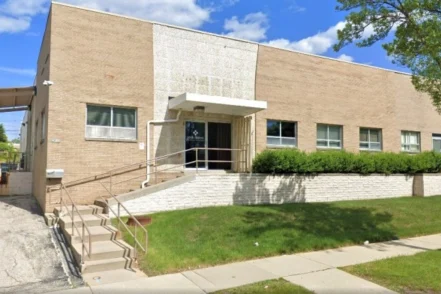 Wisconsin
10th Street Comprehensive Treatment Center
4800 South 10th Street Milwaukee, Wisconsin 53221
Treatment Programs
- Alcohol Rehab
- Opioid Addiction
- Drug Rehab
- +4
-
 Oklahoma
GRAND Addiction Recovery Center
6333 East Skelly Drive, Tulsa, OK 74135
Treatment Programs
- Alcohol Rehab
- Dual Diagnosis
- Opioid Addiction
- +4