
Benzodiazepine Withdrawal Is a Risk in Postpartum Mental Health
August 27, 2026

A murder trial in Plymouth, Massachusetts has spent August doing something the behavioral health field rarely gets from a courtroom, which is putting postpartum psychiatric care in front of a jury and asking what went wrong.
The defense in the case of Lindsay Clancy, the Duxbury nurse charged in the 2023 deaths of her three children, argues she experienced a psychotic episode driven by postpartum psychiatric illness and worsened by overmedication.
Prosecutors argue she was criminally responsible. The jury has not returned a verdict, and the legal question is theirs alone.
The clinical question underneath it belongs to everyone who prescribes, dispenses, or takes psychiatric medication after childbirth.
Court records reported by multiple outlets list a long roster of medications, including benzodiazepines.
That detail is where this stops being a true crime story and becomes a dual diagnosis treatment story.
Prescribed Medication Belongs in a Dual Diagnosis Conversation
Co-occurring disorders means a mental health condition and a substance use disorder present in the same person at the same time.
Most coverage of that pairing assumes the substance is alcohol or an illicit drug. Benzodiazepines complicate the picture, because they are controlled substances that produce physical dependence on a therapeutic dose, taken exactly as directed.
Dependence is not misuse. A patient who develops tolerance and withdrawal symptoms on a prescribed benzodiazepine has done nothing wrong.
But the clinical management is similar, and mental health treatment facilities that cannot address medication dependence alongside a psychiatric condition are treating half the problem.
Why Withdrawal Matters Clinically
Benzodiazepine withdrawal is among the more medically serious withdrawal syndromes.
Abrupt discontinuation or a rapid taper can produce rebound anxiety, insomnia, agitation, perceptual disturbances, and in severe cases seizures.
Symptoms can also mimic or amplify the psychiatric condition the medication was prescribed to treat, which makes the picture genuinely hard to read from the outside.
This is the reason no one should stop a benzodiazepine on their own. If you are taking one and want off it, that is a conversation with the prescriber about a supervised taper, not a decision to make over a weekend.
Why the Postpartum Period Raises the Stakes
Several things converge after childbirth. Sleep deprivation is near universal and mimics psychiatric symptoms. Clinical contact drops sharply after the six week visit, just as risk rises.
Perinatal mood and anxiety disorders are common, and postpartum psychosis, while rare at roughly one to two cases per thousand births, is a psychiatric emergency rather than a severe version of depression.
Into that window, prescribing often accelerates. When symptoms do not resolve, medications get added rather than reassessed, and polypharmacy accumulates without anyone holding the whole list.
Coordination between an obstetric provider, a psychiatric prescriber, and a primary care clinician is the safeguard, and it frequently does not happen.
What Integrated Treatment Looks Like
Sequential care, meaning stabilize the mental health condition first and address medication or substance issues later, was the older model and produced poor outcomes. Current practice treats both from intake with one team and one plan.
- Medication reconciliation, meaning one clinician reviewing the entire list for interactions, duplication, and dependence risk
- Supervised tapering where a controlled substance is being discontinued, with withdrawal monitored rather than assumed
- Cognitive behavioral therapy for insomnia and anxiety, which is first line for chronic insomnia and can reduce reliance on sedative prescribing
- Dialectical behavior therapy where emotion regulation or self harm risk is present
- Trauma focused therapy, since unresolved trauma often underlies both the psychiatric condition and the substance use
- Family and partner involvement, which for a new parent is part of the treatment plan rather than optional support
None of this is an argument against psychiatric medication. Untreated perinatal depression, anxiety, and psychosis carry their own serious risks, and medication is often the right answer. The argument is for someone competent watching the whole picture.
Finding Dual Diagnosis Treatment
Not every facility listing mental health services can manage medication dependence, and not every addiction program employs psychiatric prescribers.
- Ask whether the program treats mental health and substance use conditions with one integrated team
- Ask whether it has perinatal or postpartum experience specifically
- Ask whether it manages supervised benzodiazepine or other controlled substance tapers on site
- Ask whether psychiatric medication management is available in house
- Confirm insurance coverage for both components, which are sometimes billed separately
TreatmentCentersDirectory.com lists mental health treatment facilities, behavioral treatment centers, and dual diagnosis programs nationwide, searchable by location and level of care.
Author

Terri Beth Miller, PhD
Read Bio
Terri Beth received her PhD in English literature from the University of Tennessee Knoxville and is an educator and disability studies scholar. For more than a decade, she has written extensively in the fields of mental health and addiction recovery and fiercely advocates for the destigmatization of mental illness.
Editor

Eric Owens
Read Bio
Eric Owens has been a writer and editor for various businesses as well as his own successful websites. He has extensive experience creating content in the health and wellness space and the sustainability space. He holds a bachelor degree in Philosophy which helped him with presenting complex information in a simple way that all audiences can understand.
Articles About Alcohol & Treatment
Benzodiazepine Withdrawal Is a Risk in Postpartum Mental Health
Benzodiazepine Withdrawal Is a Risk in Postpartum Mental Health August 27, 2026 A murder trial in Plymouth, Massachusetts has spent August doing something the behavioral health field rarely gets from a courtroom, which is putting postpartum psychiatric care in front of a jury and asking what went wrong. The defense in the case of Lindsay…

Ohio County Pilots Dual Diagnosis Treatment Court
Ohio County Pilots Dual Diagnosis Treatment Court August 27, 2026 For people who cycle between jail and the street with both a psychiatric diagnosis and a substance use disorder, the usual sorting of services into separate lanes is the problem. Dual diagnosis treatment is designed to close that gap, and a court in Cuyahoga County,…

Veterans Sober Home Adds Canine Therapy for Co-Occurring PTSD
Veterans Sober Home Adds Canine Therapy for Co-Occurring PTSD August 26, 2026 A veterans sober home in southern Minnesota has added trained shelter dogs to its programming, an addition aimed squarely at residents living with co-occurring disorders. Bravo Zulu House in rural Winnebago launched its canine therapy program in partnership with K9s for Warriors, MPR…
Browse Treatment Centers by State
Top National Treatment Centers
-
 Florida
1 Solution Detox – CLOSED
2901 Broadway Ave West Palm Beach, Florida 33407
Treatment Programs
- Alcohol Rehab
- Opioid Addiction
- Drug Rehab
- +0
-
 California
10 Acre Ranch
5953 Grand Avenue Riverside, California 92504
Treatment Programs
- Alcohol Rehab
- Dual Diagnosis
- Opioid Addiction
- +4
-
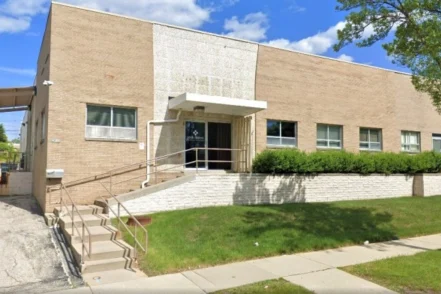 Wisconsin
10th Street Comprehensive Treatment Center
4800 South 10th Street Milwaukee, Wisconsin 53221
Treatment Programs
- Alcohol Rehab
- Opioid Addiction
- Drug Rehab
- +4
-
 Oklahoma
GRAND Addiction Recovery Center
6333 East Skelly Drive, Tulsa, OK 74135
Treatment Programs
- Alcohol Rehab
- Dual Diagnosis
- Opioid Addiction
- +4