
Alabama Expands Mental Health and Addiction Treatment Access
Published July 2, 2026
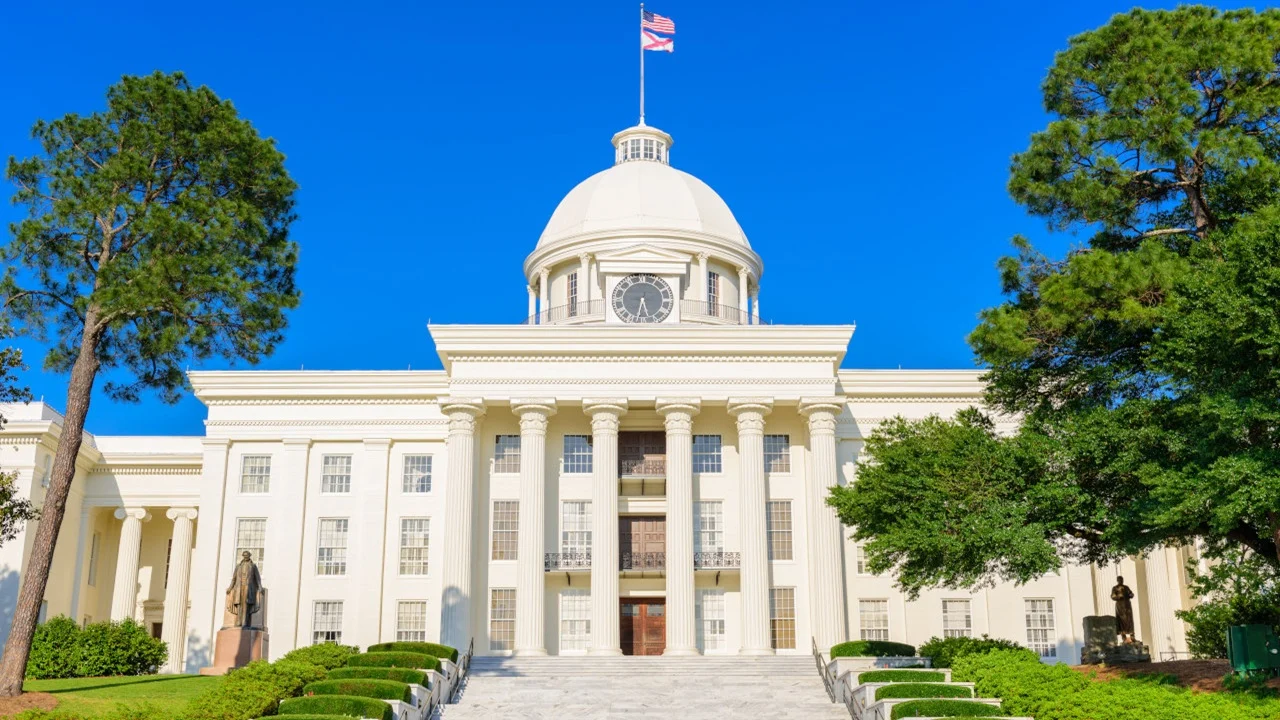
A change in how Alabama delivers care means more people can now get mental health and substance use treatment, regardless of where they live or their insurance status. Two more community centers have been approved to adopt a model built around comprehensive, coordinated behavioral health.
To be sure, The Yellowhammer State already boasts many treatment centers with inpatient and outpatient options. However, all too often, some people still fall through the cracks. For many residents, there’s no such thing as too many options when it comes to their mental and behavioral health.
Changes in Alabama
Mountain Lakes Behavioral Healthcare, serving Jackson and Marshall counties, and Highland Health Systems, serving Cleburne and Calhoun counties, received federal approval from SAMHSA to become Certified Community Behavioral Health Clinics (CCBHCs). They join AltaPointe and WellStone, which adopted the model in 2024.
The Alabama Department of Mental Health describes the CCBHC approach as a “no wrong door” system for behavioral health care.
Mental Health Connects with Addictions
A CCBHC must serve anyone seeking help for a mental health or substance use condition, regardless of residence, ability to pay, or age. That matters because mental health such as trauma and addiction so often travel together.
By keeping behavioral health, physical health care and social services under one coordinated roof, the model can catch needs that fragmented systems miss and shorten the wait times that push people away from care.
Understanding & Treating Dual Diagnosis
Dual diagnosis, also called co-occurring disorders, describes having a mental health condition and a substance use disorder at the same time, such as depression alongside opioid use. Integrated treatment that addresses both at once work better than treating each separately. The CCBHC model leans directly into that integrated approach.
Certified clinics are required to provide nine core services. These include crisis and detox services, outpatient mental health and substance use treatment, person- and family-centered treatment planning, community-based care for veterans, peer and family support, targeted case management, primary care and psychiatric rehabilitation and risk assessments. Alabama’s Crisis System of Care adds crisis access and mobile crisis response 24 hours a day, 365 days a year.
“The transition to and expansion of the CCBHC model moves us closer to a system where every Alabamian has access to high-quality, coordinated and more efficient mental health and substance use treatment services,” relayed ADMH Commissioner Kimberly Boswell.
Care in Alabama and Beyond
If you’re looking for mental health and substance use treatment in Alabama, these centers offer broader access and shorter waits. You can also contact them to ask about dual diagnosis programs to treat depression, anxiety and addiction all at the same time.
Get started by dialing 800-908-4823 (Sponsored) to chat with an expert and find local comprehensive mental health and addiction treatment. Our directory is also fully searchable and lists treatment centers all across the country.
Author

Quentin Blount
Read Bio
Quentin brings nearly a decade of experience as a writer, editor, and digital publisher to his role as Content Manager for Rehab.com. He aims to help people better understand their treatment options by creating engaging and informative content that is user-friendly, factually accurate, and optimized for search engine visibility. In his free time, Quentin enjoys the company of his friends, family, and his dog, Coop.
Editor

Peter Lee, PhD
Read Bio
Peter W.Y. Lee is a writer and historian of American history during the Cold War. His primary focus is the relationship between youth and popular culture and its impact on U.S. society during the twentieth century. He has published widely on how the public has used popular culture as a mechanism to address political and social shifts throughout time
Articles About Alcohol & Treatment

West Virginia Memorial Walk Honors Lives Lost to Addiction
West Virginia Memorial Walk Honors Lives Lost to Addiction Published October 13, 2026 The Parkersburg Memorial Walk returns to Parkersburg for the 11th time on October 17 so families in West Virginia remember loved ones lost to alcoholism and drug addiction. The free event runs in the afternoon at the City Park bandshell. No need…
Walker County Ranks Second in Alabama Overdose Deaths
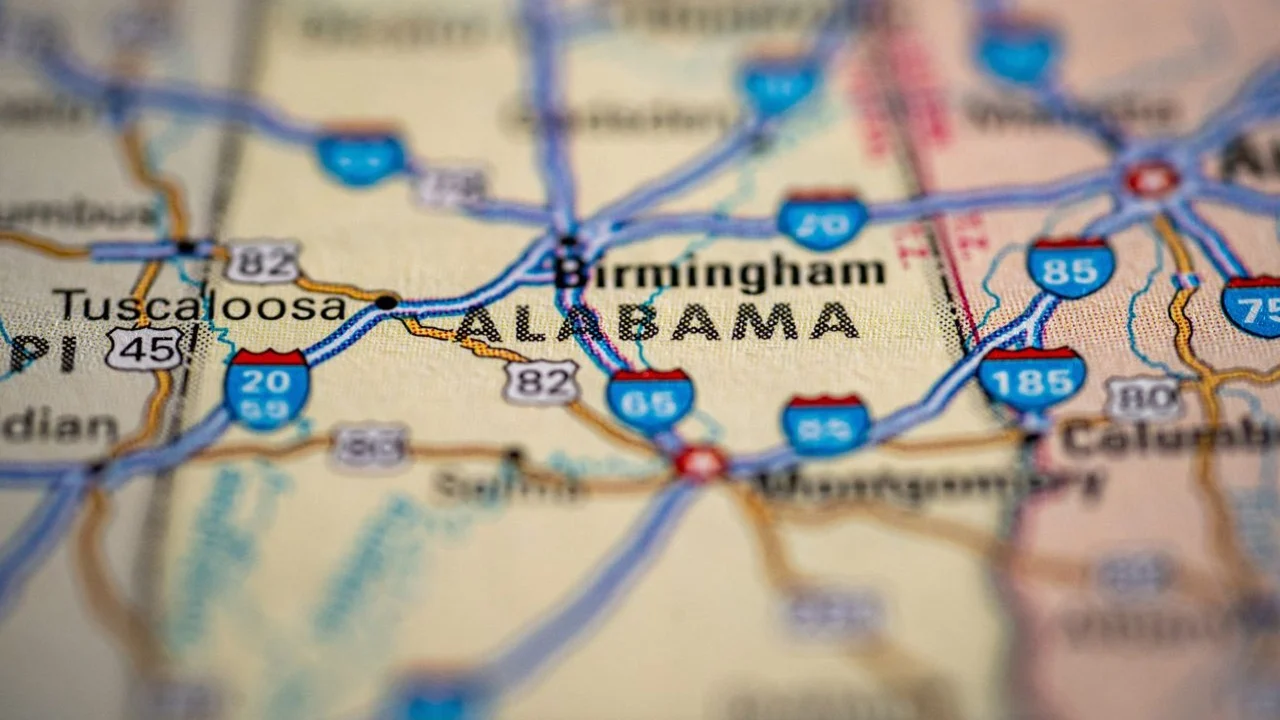
Walker County Ranks Second in Alabama Overdose Deaths Published October 13, 2026 Walker County recorded the second-highest accidental drug overdose death rate in Alabama. The rank and death tolls indicate that Alabamans need dual diagnosis treatment more than ever. Overdose Rates by County From 2019 to 2024, Bullock County had the highest numbers of overdose…

Minnesota Steers Opioid Settlement Millions to Child Protection
Minnesota Steers Opioid Settlement Millions to Child Protection Published October 12, 2026 Minnesota’s opioid settlement money helps children most overdose spending never reaches. New state data shows The North Star State spent $157 million in the past seven years responding to the opioid epidemic. Child protection was the single largest category of spending, with $30…
Browse Treatment Centers by State
-
 Alabama
Alabama Abuse Counseling Center Inc
1612 3rd Avenue North Bessemer, Alabama 35020
Treatment Programs
- Drug Rehab
- Adult Program
- Men's Rehab
- +1
-
 Alaska
Alaska Treatment Center
1577 C Street, 201, Anchorage, AK 99501
Treatment Programs
- Dual Diagnosis
- Alcohol Rehab
- Opioid Addiction
- +1
-
 Illinois
Chestnut Health Systems Bloomington
720 West Chestnut Street Bloomington, Illinois 61701
Treatment Programs
- Alcohol Rehab
- Dual Diagnosis
- Opioid Addiction
- +4
-
 Iowa
IowaHelm Counseling Waterloo
3510 Kimball Avenue, Suite D Waterloo, Iowa 50702
Treatment Programs
- Alcohol Rehab
- Dual Diagnosis
- Opioid Addiction
- +4