San Antonio, TX Drug & Alcohol Treatment Centers
14 results nearby
Looking for help with addiction in San Antonio, TX?

Insurance
Treatment Programs
Looking for help with addiction in San Antonio, TX?
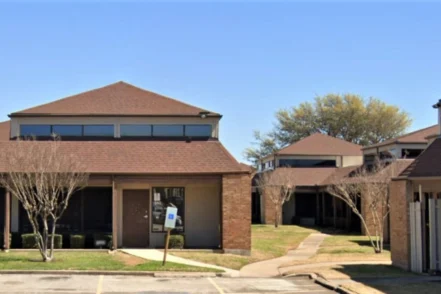
214 Billings Street, Suite 240 Arlington, Texas 76010
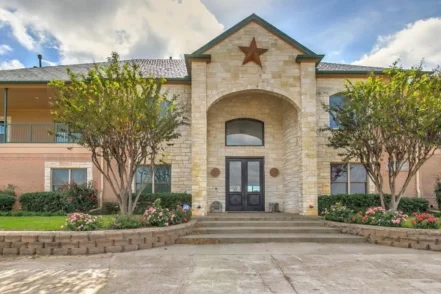
6960 Dick Price Road, Mansfield, TX 76063
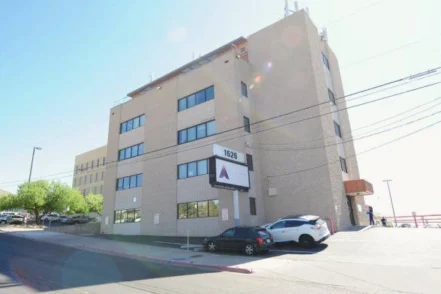
1626 Medical Center Street El Paso, Texas 79902
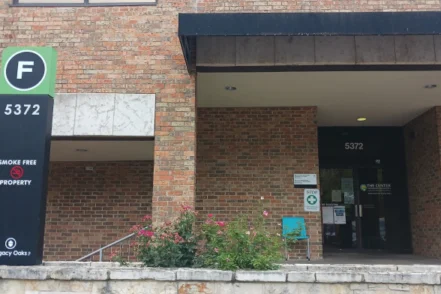
5372 Fredericksburg Road, Building F San Antonio, Texas 78229
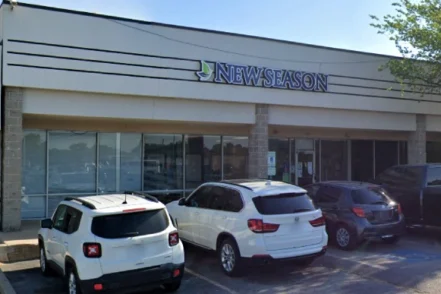
123 East Colorado Blvd Dallas, Texas 75203
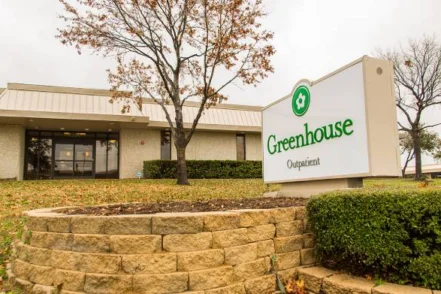
2301 Avenue J Arlington, Texas 76006
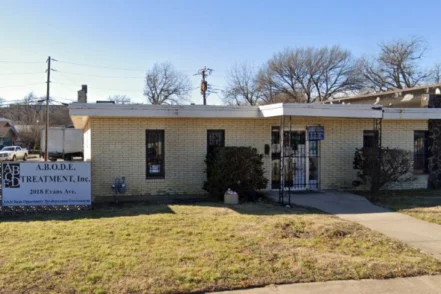
2018 Evans Avenue Fort Worth, Texas 76104
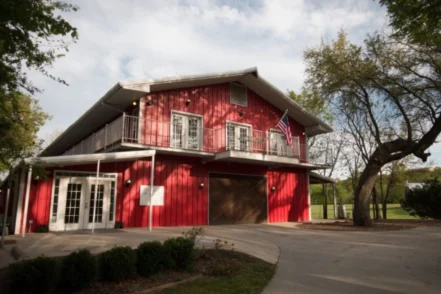
7510 Fm 1886 Azle, Texas 76020

4800 Memorial Drive, Waco, TX 76711
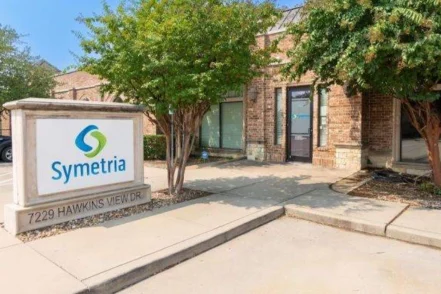
7229 Hawkins View Drive, Fort Worth, TX 76132
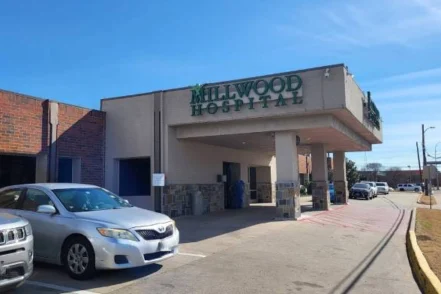
1011 North Cooper Street Arlington, Texas 76011
14109 Fm 969 Austin, Texas 78724

7400 Blanco Road, Suite 129 San Antonio, Texas 78216

1900 Wyoming Avenue El Paso, Texas 79903
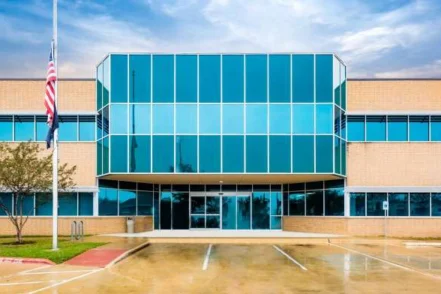
1651 Rock Prairie Road, Suite 101 College Station, Texas 77845
San Antonio carries 54 listings in the directory, the largest concentration in Bexar County and one of the deeper option pools in South Texas. The mix runs the full range: outpatient counseling and intensive outpatient programs, partial hospitalization, residential and inpatient centers, and medical detox providers. As the county seat and the anchor of a metro area built around a population base of roughly two million, San Antonio is where most of the region’s licensed capacity concentrates, though the surrounding Hill Country towns and I-35 corridor add their own smaller clusters.
Inside the city, the heaviest concentration of residential and hospital-affiliated care sits around the South Texas Medical Center in the northwest, a 900-acre district of hospitals and specialty institutions near the Loop 410 and I-10 interchange. Outpatient and IOP options spread more widely, with clusters near downtown and along the North Central corridor toward Stone Oak. Beyond the city line, the market widens further: Castle Hills sits just inside Loop 410 near the Medical Center district, Converse anchors the east side near Randolph Air Force Base, and further out, Boerne and New Braunfels hold smaller Hill Country and I-35 corridor programs that some San Antonio residents choose for a quieter setting.
If a search from San Antonio pulls in listings from these outlying towns, that is the map radius working as intended rather than a data error. Bexar County functions as one connected treatment market: I-35 links the northeast corridor toward New Braunfels, I-10 runs northwest toward Boerne and the Hill Country and east toward Converse, and Loop 410 ties the whole ring together. A program 25 to 30 minutes up the interstate is still a realistic option for someone weighing where to start.
For publicly funded substance use treatment, Bexar County’s route runs through the Center for Health Care Services (CHCS), the county’s Local Mental Health and Behavioral Health Authority. CHCS operates an Outreach, Screening, Assessment, and Referral (OSAR) program that serves as the first point of contact for people seeking treatment across Bexar and the surrounding Region 8 counties, reachable at 210-261-3076, with general CHCS intake at 210-261-1250. Bexar County’s authority is one of a small number statewide that covers a single county rather than a multi-county region, which in practice means the OSAR line is answering for San Antonio specifically rather than splitting attention across a large rural service area. Anyone using a private, state-licensed program (Texas calls these Chemical Dependency Treatment Facilities, regulated by the Health and Human Services Commission) can typically call the program directly and request an assessment without going through county intake first. For a statewide starting point, 211 Texas (877-541-7905) can also connect callers to their regional OSAR.
Recovery housing in Texas is voluntarily certified rather than state-licensed. The Texas Recovery Oriented Housing Network (TROHN) is the state’s NARR affiliate, authorized under Texas Health and Safety Code Chapter 469 to certify sober living homes to national standards, and since September 2023 a home generally needs that certification, or an Oxford House charter, to receive state funding or referrals. Checking whether a specific San Antonio recovery residence carries TROHN certification is one of the more useful steps a family can take before someone moves in; the levels-of-care picture matters too, since outpatient, residential, and detox programs are not interchangeable and a licensed CDTF assessment is what determines which one fits.
Within the city, most residential beds and medical detox capacity sit near the South Texas Medical Center, while outpatient and IOP options are more evenly spread through the near-downtown and North Central areas. Someone needing withdrawal management who lives on the far South Side or in one of the outer Hill Country towns should expect a drive into the Medical Center corridor rather than a same-neighborhood option. On the scheduling side, VIA’s Frequent and Primo bus routes make several evenings-a-week outpatient attendance workable from near-downtown and Medical Center-adjacent addresses; outside those corridors, a car or VIA Link on-demand ride is generally the more realistic plan for keeping a consistent schedule.
San Antonio International Airport (SAT) sits north of downtown off US-281, and most residential programs near the Medical Center or downtown are roughly 15 to 30 minutes away depending on traffic and time of day. Many residential programs offer airport pickup; confirm this with admissions before booking a flight. Travelers coming by rail have another option: Amtrak’s Texas Eagle runs daily between San Antonio, Austin, and Dallas-Fort Worth, with a connecting Sunset Limited service toward Los Angeles a few days a week.
Inside the metro, I-35 is the north-south spine linking San Antonio to Austin and the New Braunfels corridor, I-10 runs east-west toward Houston and the Hill Country toward Boerne, and Loop 410 rings the core, connecting most of the city’s treatment clusters without needing to cross downtown. VIA Metropolitan Transit is the area’s only public transit system, a bus-only network of roughly 95 routes; VIA is also building rapid, rail-like bus corridors called the Green Line and Silver Line, though as of this writing they remain under construction rather than a ready-to-use rail option. For anyone commuting to outpatient or intensive outpatient care from farther out, VIA Link’s on-demand zones fill some of the gaps a fixed route can’t reach.
San Antonio’s summers run hot and humid, with June through September highs regularly in the mid-90s and humidity that makes the heat feel heavier; anyone here for a 30 to 90 day stay should pack light, breathable clothing and expect outdoor programming to shift to mornings or evenings during that stretch. Winters are mild, with January lows typically in the low-to-mid 40s, so a light jacket usually covers the season, and moderate humidity is a year-round fact rather than a summer-only one.
Mild winters mean outdoor time stays part of recovery life for most of the year. Brackenridge Park near downtown is a common walking spot, with paths sponsors and program groups use for informal meetings between sessions. The River Walk offers a flat, shaded, and walkable stretch through the city center that works well for a low-key outing during a pass. Farther out, Government Canyon State Natural Area on the west side and McAllister Park on the north side give people further into a program room to hike or just get outside without leaving the metro.
San Antonio’s recovery community leans on a handful of neighborhoods that come up repeatedly around sober living and outpatient care: Stone Oak and North Central near the 281 corridor, Alamo Heights, the near-downtown medical corridor, and the Vance Jackson area off I-10. The culture here mixes faith-based recovery support, a strong 12-step presence, and an outdoors-friendly pace that the mild winters make easy to sustain. For someone deciding whether to build a life here after a program ends, San Antonio’s size means aftercare options exist in most parts of the city, while its lower cost of living relative to Austin or Dallas is part of why some people choose to stay once treatment ends rather than move back to a more expensive market. Continuing into aftercare or transitional housing is generally a matter of picking a neighborhood with the right meeting density and commute.
Contact and visiting policies vary by program and often start restricted in the first weeks. Ask admissions directly about the family contact policy, any family programming dates, and whether SAT or a different airport makes more sense for your travel before booking flights. Families visiting someone in Medical Center-area or near-downtown care generally find it easiest to stay somewhere along the 410/I-10 corridor or near downtown itself, close to both the airport route and the clusters where most residential programs sit.
Between visits, the River Walk and Brackenridge Park are easy, low-pressure places to spend a few hours without much planning, and both sit close to the near-downtown treatment corridor. If the program offers a family weekend or an educational session, it is worth building the trip around it. Ask early whether the program plans for aftercare that will work if your loved one returns home out of state, since transitions across state lines take more coordination than a local discharge plan.
Browse the listings above to compare San Antonio programs directly, or visit the Texas state page to see how San Antonio fits into the state’s broader treatment picture.
Common questions about arriving, getting around, and what to expect from treatment in San Antonio. If a question is not covered here, a program’s admissions team can answer it directly.
For a state-licensed private program, calling the program directly to request an assessment is usually the fastest route. For publicly funded care, Bexar County residents start with the OSAR line at the Center for Health Care Services (210-261-3076), which screens and refers into county-coordinated treatment.
San Antonio International Airport (SAT) is the metro’s main airport, generally 15 to 30 minutes from Medical Center and downtown-area programs depending on traffic. Many residential programs offer pickup, so confirm before booking a flight.
It depends on where the program sits. VIA’s Frequent and Primo bus routes make near-downtown and Medical Center-area programs workable without a car, but Stone Oak, the far South Side, and other outer neighborhoods generally require a car or a VIA Link on-demand ride for a consistent schedule.
The heaviest concentration of residential and detox capacity sits near the South Texas Medical Center in the northwest, close to the Loop 410 and I-10 interchange. Outpatient and IOP options spread more broadly through near-downtown and the North Central corridor toward Stone Oak.
Most programs allow visits but restrict contact in the first weeks. Ask admissions directly about the family policy and any scheduled family programming, and plan travel around those dates rather than booking flights first.
Texas does not license sober living homes directly, but the Texas Recovery Oriented Housing Network (TROHN) certifies them to national standards under state law, and a home generally needs that certification to receive state funding or referrals. Ask any San Antonio recovery residence whether it holds TROHN certification before moving in.