Houston, TX Drug & Alcohol Treatment Centers
14 results nearby
Looking for help with addiction in Houston, TX?

Insurance
Treatment Programs
Looking for help with addiction in Houston, TX?
1900 Wyoming Avenue El Paso, Texas 79903
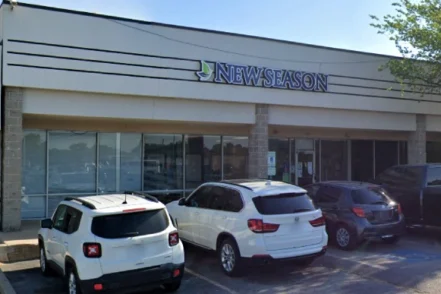
123 East Colorado Blvd Dallas, Texas 75203
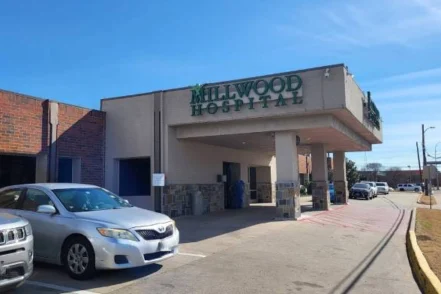
1011 North Cooper Street Arlington, Texas 76011
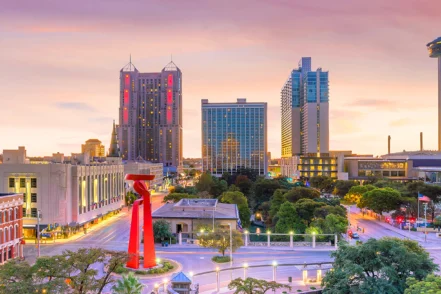
7400 Blanco Road, Suite 129 San Antonio, Texas 78216
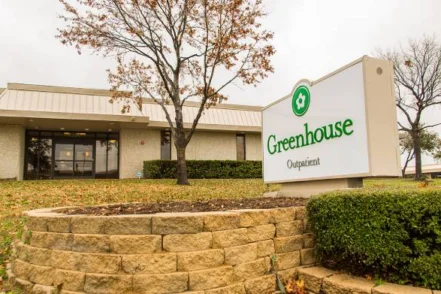
2301 Avenue J Arlington, Texas 76006
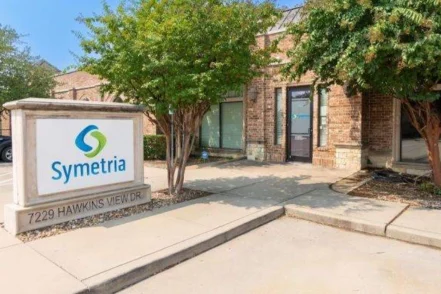
7229 Hawkins View Drive, Fort Worth, TX 76132
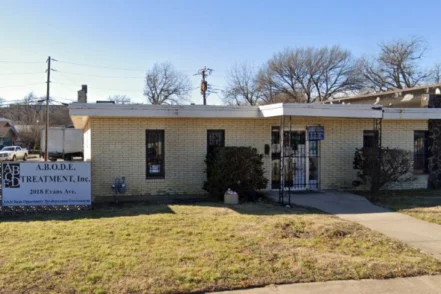
2018 Evans Avenue Fort Worth, Texas 76104
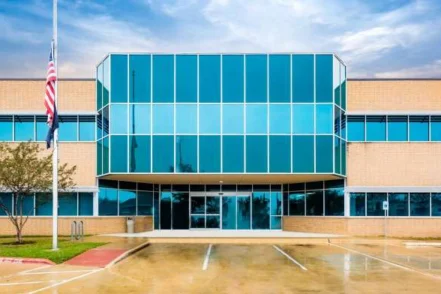
1651 Rock Prairie Road, Suite 101 College Station, Texas 77845
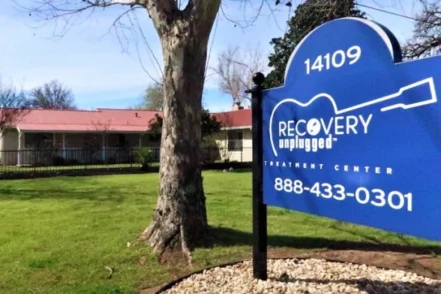
14109 Fm 969 Austin, Texas 78724
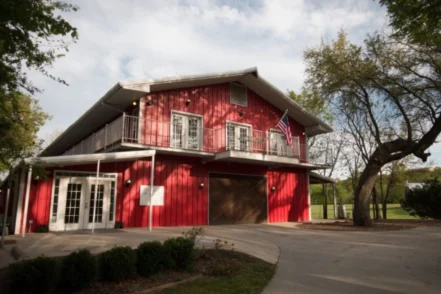
7510 Fm 1886 Azle, Texas 76020
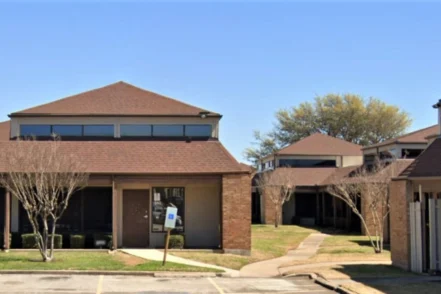
214 Billings Street, Suite 240 Arlington, Texas 76010
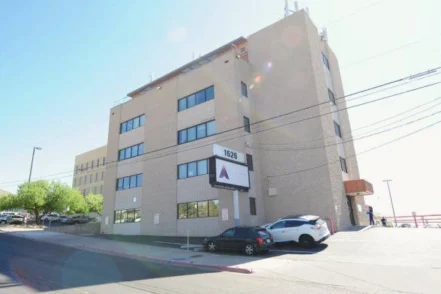
1626 Medical Center Street El Paso, Texas 79902
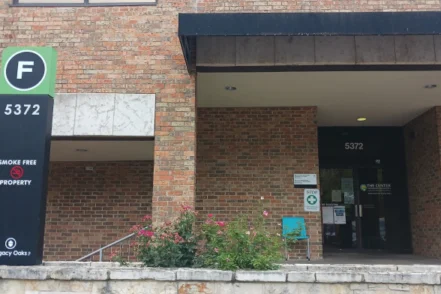
5372 Fredericksburg Road, Building F San Antonio, Texas 78229
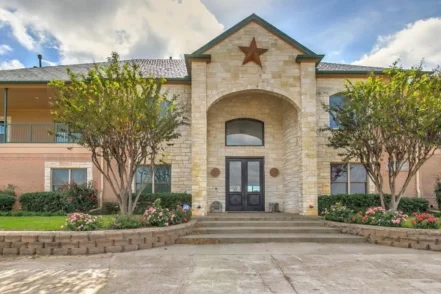
6960 Dick Price Road, Mansfield, TX 76063

4800 Memorial Drive, Waco, TX 76711
Houston is the fourth-largest city in the United States and the anchor of one of the country’s biggest metro areas, so it holds the deepest network of addiction treatment in Texas. In fact, Houston has a distinctive advantage over other cities: the Texas Medical Center, which is the largest medical complex in the world. It is located near the center of the city, so many programs have hospital-level medical and psychiatric support close at hand.
Our directory lists 79 treatment centers within Houston itself, with more across the surrounding Harris County suburbs, covering medical detox, residential (inpatient) care, outpatient services and sober living.
It helps to know where programs sit, because Houston is vast and spread out. The largest share is inside Loop 610, the freeway ring locals call the Loop, in the central neighborhood, the Heights and Montrose northwest of downtown, and the Museum District and the blocks around the Medical Center to the south.
Smaller pockets sit southwest along US 59 and northwest along US 290. The suburbs hold their own programs: Spring to the north has 7 listed centers, Katy to the west has 5 and Pasadena to the southeast has 4. That spread explains why a search for Houston may show centers in Spring, Katy or Pasadena. The map pulls listings from a radius around the city, and in a metro this large it reaches well into the suburbs.
The greater Houston area works as one connected treatment market. For instance, a program 20 miles out on Interstate 10 or one on Interstate 45 is part of the same system. So, as you move through it, you may start in residential care in one area and step down to outpatient care or sober living in another.
Houston has two major airports, and which one you want depends on the program’s location. Many residential programs offer airport pickup, so ask admissions which airport they recommend before booking a flight.
William P. Hobby Airport (HOU), about nine miles southeast of downtown, is the closer, simpler arrival for programs in the central city and the Medical Center area, usually a 20 to 40 minute drive. George Bush Intercontinental Airport (IAH), about 22 miles north, carries most international and long-haul flights and suits programs in the northern suburbs.
By road, Houston is built around three concentric rings and the freeways radiating from the center. Loop 610 is the innermost; Beltway 8, the Sam Houston Tollway, forms a wider one; and the Grand Parkway (State Highway 99) loops the outer suburbs. Most radial freeways carry two names: Interstate 45 runs north to south as the North Freeway toward Spring and the Gulf Freeway toward Pasadena and Galveston, and Interstate 10 is the main east-west route, the Katy Freeway on the west side.
Traffic is often heavy with distances that surprise newcomers, so treat the program’s own corner of Houston as the destination when planning visits.
For outpatient treatment, Houston’s METRORail helps mainly if your program is central. The Red Line runs along Main Street from downtown through Midtown, the Museum District and Rice University to the Medical Center and NRG Park, covering several neighborhoods where programs gather.
Everywhere else, which is most of this car-oriented metro, a vehicle is effectively required. If you will attend an intensive outpatient program several days a week without a car, choose one near a Red Line station.
Houston’s climate shapes the daily rhythm of treatment. Summers here are long and humid. From June through September, highs sit in the 90s and often reach 100, with the humidity making it feel hotter. Programs with an outdoor schedule typically arrange for it in the early morning or evening in those months and stay indoors at midday.
Winters are mild, with highs in the 60s and rare cold snaps, with snow almost unheard of. Rain falls year-round, roughly 50 inches, so pack lightweight, breathable clothing, a rain jacket and a few warm layers for a winter front.
Another thing to keep in mind is that between June and November, hurricane season can occasionally disrupt flights and visits.
Green space runs through the neighborhoods where programs gather. Buffalo Bayou Park, 160 acres of trails just west of downtown, and Memorial Park, one of the country’s largest urban parks at roughly 1,500 acres, are within reach of the Heights and Montrose programs. These areas frequently draw early-morning walking and running groups.
Near the Museum District and the Medical Center, Hermann Park and the shaded loop around Rice University give people somewhere green to clear their heads. It offers the Brays Bayou trail, linking the area to miles of connected paths. Local programs often build these into weekly schedules.
Houston’s recovery community is large and long-established, and in a metro this size it is spread out instead of concentrated in one district.
Its clearest center is in the older neighborhoods just inside the Loop: the Heights, a walkable historic district northwest of downtown, and neighboring Montrose, where sober living homes and recovery-friendly coffee shops sit on everyday streets.
For a Houstonian weighing whether to stay local or travel, staying has real advantages, since the full range of care, a large recovery community and the Medical Center’s backup are all in place. This means that moving from residential care to outpatient work and sober living can happen without leaving town.
If someone you love is entering treatment in Houston and you are supporting them from out of town, a little planning makes visits easier.
Most residential programs limit contact for the first days or weeks, then open scheduled visiting hours or family days. Be sure to ask admissions for the family contact policy and any family-program dates before you book travel.
Lodging is one area where Houston helps. Because the Medical Center draws patients from around the world, it is ringed by hotels and extended-stay places built for their families, so a central program puts a large, purpose-built set of options within a short drive. If the program is in a suburb like Spring or Katy, look for lodging out there instead, since crossing the metro every day in traffic wears thin quickly.
Between visits, Buffalo Bayou Park, Memorial Park and Hermann Park are good places to reset. Family involvement is one of the stronger predictors of how treatment goes, so if a program offers family therapy or education groups, be sure to take part.
Ready to compare programs? Browse the Houston listings above, or explore treatment options across Texas.
Common questions about arriving, getting around and what to expect from treatment in Houston. If a question is not covered here, a program’s admissions team can answer it directly.
Houston has two. William P. Hobby Airport (HOU), about nine miles southeast of downtown, is usually the easier, closer arrival for programs in the central city and the Medical Center area. George Bush Intercontinental Airport (IAH), about 22 miles north, handles most international flights and suits programs in the northern suburbs. Ask your program which it recommends and whether it offers pickup before booking.
Usually, yes. Houston is a large, car-oriented metro, and most programs assume you can drive. The exception is the central core, where the METRORail Red Line connects downtown, Midtown, the Museum District and the Medical Center, so a program near one of those stations works without a car. If you will not have a vehicle, prioritize a program along the Red Line.
Pack for heat and humidity first. Summers are long and often reach 100 degrees, so bring lightweight, breathable clothing and sun protection. Add a rain jacket, since heavy showers happen year-round and a few warm layers for the occasional winter cold front. Your facility will send its own packing list, so follow it, especially for medications, which should arrive in their original containers.
Most are inside Loop 610, in the central neighborhoods around downtown and the Texas Medical Center, with smaller pockets southwest and northwest of the core. The suburbs add their own, including Spring to the north, Katy to the west, and Pasadena to the southeast. A search for Houston surfaces nearby suburban options too, because the map draws from a radius and the metro works as one connected market.
Most residential programs allow visits after an initial adjustment period, on a schedule the program arranges. Many run family days or therapy sessions, which are the most useful way to take part. Ask admissions directly, since policies vary. Houston is a practical place to visit with two airports and the cluster of family-oriented hotels around the Medical Center making travel and lodging easier than in many treatment destinations.