
About First Step to Recovery
First Step to Recovery offers addiction treatment in Houston, Texas specializing in drug and alcohol recovery for adults.
The program offers intensive outpatient care, telemedicine access and aftercare services with support for co-occurring conditions such as anxiety, depression, PTSD, bipolar disorder, ADHD and OCD.
Their mission focuses on helping clients build the fundamentals of lasting sobriety while treating the whole person, mind and body alike.
Intensive Outpatient Addiction Treatment
First Step to Recovery provides intensive outpatient treatment for substance use disorders.
The program combines therapy and 12-step education using Hazelden’s Living in Balance curriculum, including dedicated dual diagnosis sessions for clients managing co-occurring mental health concerns.
Sessions blend trauma-informed and holistic approaches, with motivational interviewing, psychosocial assessments and personalized treatment planning.
Clients can also benefit from family education, relapse prevention work and a Health & Fitness component designed to restore physical and emotional wellness.
Telemedicine and Flexible Access
For adults balancing recovery with work, family or transportation challenges, First Step to Recovery offers a telemedicine intensive outpatient program.
This virtual option delivers the same structured therapy and 12-step facilitation remotely, making consistent care more accessible for Houston-area clients.
The center is in-network with Blue Cross Blue Shield of Texas and works with most major insurance plans.
Addiction Treatment Programs

Drug Rehab
In Texas, a drug rehab provides a combination of therapy and education to help clients overcome substance misuse. Common services include counseling and classes on coping skills, emotional management, communication, and other key life skills. Drug rehab programs can provide inpatient or outpatient treatment.
Insurance Coverage

Medicare
When looking for ways to pay for rehab in Texas, consider Medicare. Your Medicare plan can pay for some or all of the costs of rehab, although you will want to check on the full details. You may have some out-of-pocket costs such as copays or deductibles.

Medicaid
How do you pay for rehab in Texas? If you have Medicaid, consider using it to pay for some or all of the costs of treatment. Medicaid covers multiple levels of care, and you may have no out-of-pocket costs. However, you’ll need to choose a treatment center that accepts Medicaid.

Private insurance
When you’re planning to use private insurance to pay for rehab in Texas, there are a few details to keep in mind. Your insurance plan can cover some or all of the cost of treatment. You’ll need to contact your insurer to find out what centers are in-network with your plan and what out-of-pocket costs you may be responsible for.

Self-pay options
When you use self-pay for rehab in Texas, you have a chance to choose any treatment center you like. Self-pay, also known as private pay, involves writing a check, using a medical loan from a bank or credit union, or sending money electronically. Payment arrangements may vary depending on the level of care.
Levels of Care
- 1
Outpatient Rehab
Attending outpatient treatment in Texas allows you to get evidence-based care without living in the facility, helping you establish long-term recovery. Finishing residential treatment is a big step, and outpatient care allows you to have support while you learn to apply your new skills and habits in real life situations.
Therapies

Group Therapy
Attending group therapy in Texas is a way to overcome shame and isolation, helping you establish long-term recovery. Sessions generally last 60 to 90 minutes and give you a chance to discover others’ experiences, hear about the impact of substance use, and learn important new life skills.

Individual Therapy
During individual therapy in Texas, clients work with a professional to address specific individual concerns. During individual therapy, you have the freedom and confidentiality to share personal issues and past experiences that may impact your substance use. Your therapist will help you work through those concerns and develop new ways of handling them.
Location
Contact First Step to Recovery


 Sponsored
Treatmentcentersdirectory.com regularly reviews this listing for accuracy but changes may occur between updates. For the most up-to-date information, please contact First Step to Recovery.
Top Drug Rehab Centers in Texas
-
 Texas
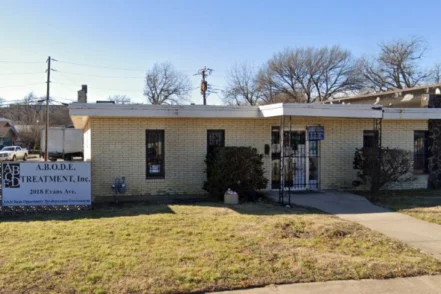
TexasABODE Treatment Fort Worth Evans Avenue
2018 Evans Avenue Fort Worth, Texas 76104
-
 Texas
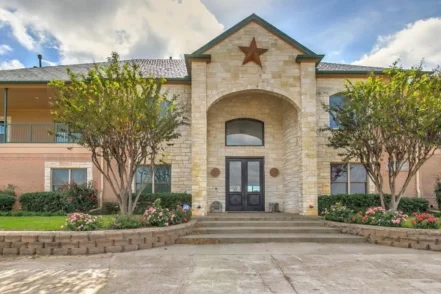
TexasRiverwalk Ranch
6960 Dick Price Road, Mansfield, TX 76063
-
 Texas
TexasEl Paso Behavioral Health System
1900 Wyoming Avenue El Paso, Texas 79903
-
 Texas
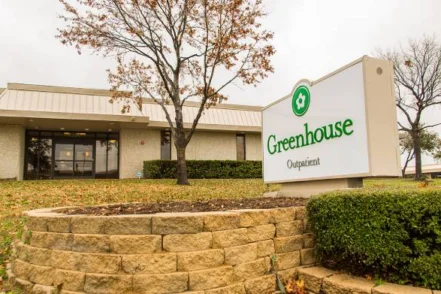
TexasGreenhouse Outpatient Treatment Center
2301 Avenue J Arlington, Texas 76006
-
 Texas
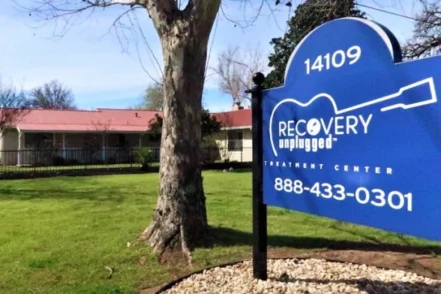
TexasRecovery Unplugged Residential Treatment Center
14109 Farm to Market 969, Austin, TX 78724
-
 Texas
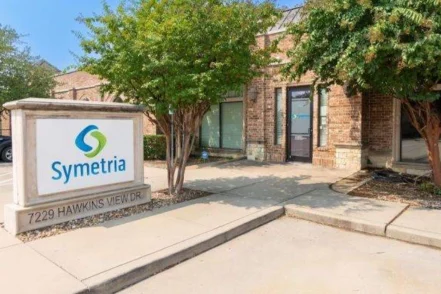
TexasSymetria — Fort Worth Outpatient Rehab & Suboxone Clinic
7229 Hawkins View Drive, Fort Worth, TX 76132
-
 Texas
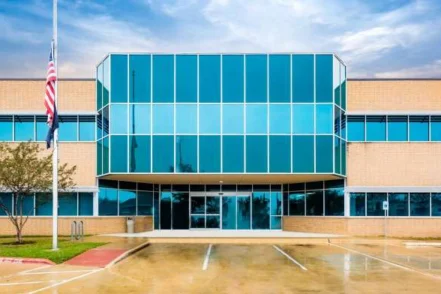
TexasSymetria Recovery College Station
1651 Rock Prairie Road, Suite 101 College Station, Texas 77845
-
 Texas
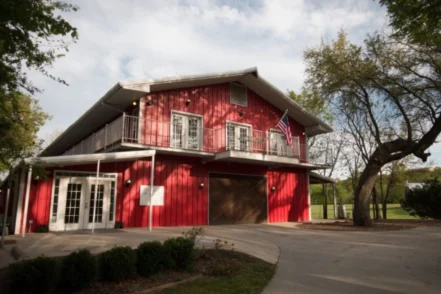
TexasStonegate Center
7510 Farm to Market Road 1886, Azle, TX 76020
-
 Texas
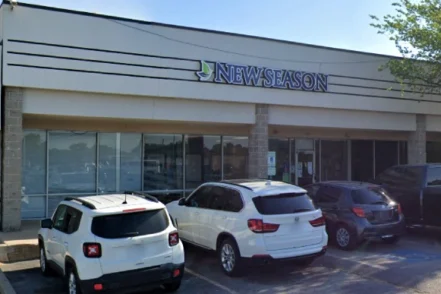
TexasNew Season Treatment Center – Dallas Westmoreland
1050 North Westmoreland Road, Suite 330, Dallas, TX 75211
-
 Texas
TexasDoris Miller VA Medical Center
4800 Memorial Drive, Waco, TX 76711
-
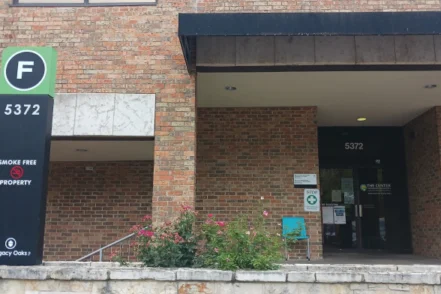 Texas
TexasCenter for Healthcare Services – Northwest Clinic
5372 Fredericksburg Road, San Antonio, TX 78229
-
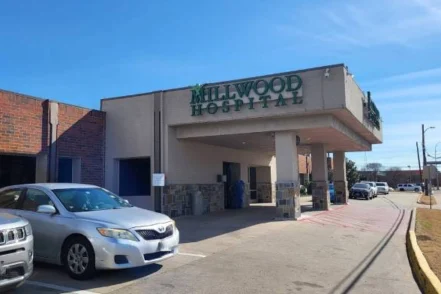 Texas
TexasMillwood Hospital
1011 North Cooper Street Arlington, Texas 76011
-
 Texas
TexasLa Hacienda Outreach
7400 Blanco Road, Suite 129 San Antonio, Texas 78216
-
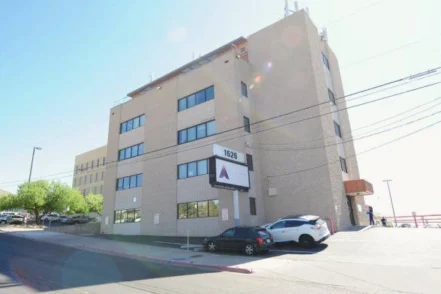 Texas
TexasAliviane Imastar
1626 Medical Center Street El Paso, Texas 79902
-
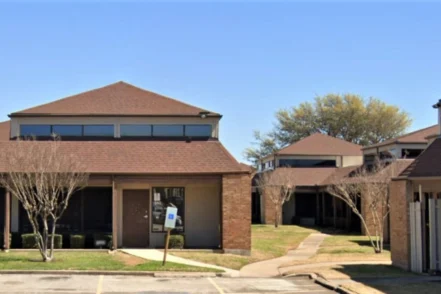 Texas
TexasCDHS Inc
214 Billings Street, 240, Arlington, TX 76010
Other Popular Texas Cities
Browse by Texas cities
- Caldwell
- Cameron
- Canton
- Canyon
- Canyon Lake
- Carrizo Springs
- Carrollton
- Carthage
- Castle Hills
- Cedar Creek
- Cedar Hill
- Cedar Park
- Center
- Center Point
- Channelview
- Childress
- Clarendon
- Clarksville
- Cleburne
- Clute
- Coleman
- College Station
- Colorado
- Comanche
- Conroe
- CONVERSE
- Corpus Christi
- Corsicana
- Cotulla
- Crosbyton
- Cypress